When most people think about fences, they usually picture a functional boundary, a way to keep pets in, kids safe, or nosy neighbors out. But fences can do so much more than just mark property lines. When chosen and placed thoughtfully, a fence can be a powerful tool to enhance your landscape design, complement your home’s architecture, and even elevate your outdoor living spaces. Working with a trusted Warrenton fence company can help you choose the perfect fence style to enhance your landscape design while adding privacy and curb appeal.
Choosing the Right Fence Style
The first step in using fences to enhance your landscape is selecting a style that fits your aesthetic and functional goals. Each material, wood, vinyl, or metal, offers unique advantages and design possibilities. A professional commercial landscaping Sterling VA team can strategically incorporate fences into your property’s design, boosting both security and visual appeal.
Wood Fences
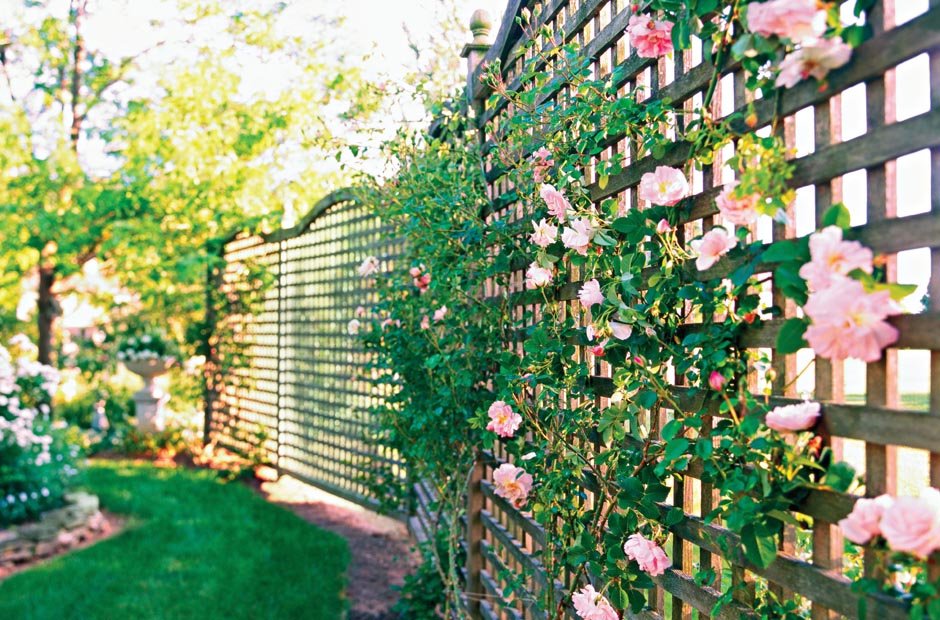
Wood fences are timeless, versatile, and naturally warm. From classic picket fences to tall privacy panels, wood can be customized to match almost any style. A white picket fence, for instance, can frame a front yard and highlight a flowering garden, giving your home that quintessential, welcoming look. On the other hand, a tall cedar or redwood privacy fence can create a cozy, intimate backyard retreat, perfect for patios, fire pits, or outdoor dining areas. Wood also provides an excellent backdrop for climbing plants like roses or ivy, which can soften the structure and add even more visual interest.
Vinyl Fences
Vinyl fencing has grown in popularity because of its durability and low maintenance. Unlike wood, vinyl doesn’t warp, rot, or need constant staining, making it a smart choice for busy homeowners who want style without the upkeep. Vinyl comes in a variety of styles and colors, from traditional pickets to sleek horizontal slats. This versatility makes it easy to design a fence that complements your garden beds, patio, or walkway. For example, a crisp white vinyl fence can make colorful flower beds pop, while a neutral beige or gray fence can subtly highlight stone pathways or minimalist landscaping.
Metal Fences
Metal fences, such as wrought iron, aluminum, or steel, bring elegance and sophistication to a landscape. They’re particularly effective when you want visibility through your fence while still defining spaces. Wrought iron fencing works beautifully with formal gardens or symmetrical landscapes, adding a sense of structure and refinement. Aluminum fences mimic wrought iron at a lower cost and with less maintenance, making them ideal for modern patios, pool areas, or contemporary front yards. Pairing a metal fence with climbing vines, boxwood hedges, or ornamental grasses can create a layered, textured look that is both stylish and practical.
Using Fences to Frame Outdoor Spaces
A fence isn’t just a boundary; it’s a design element that can frame your outdoor spaces. For example, a fence along a garden’s perimeter can act like a picture frame, drawing attention to carefully curated flower beds, vegetable gardens, or water features. Tall, narrow fences can create “rooms” in your yard, dividing patios from play areas or seating spaces from the rest of the garden.
In addition, fences can be used to guide the eye. Horizontal slats can make a small yard feel wider, while vertical pickets emphasize height and create a sense of grandeur. If you have a front yard with a charming walkway, consider a low fence that flanks the path to enhance symmetry and draw visitors in.
Enhancing Privacy and Comfort
While design is important, fences also improve the comfort and usability of your outdoor areas. A well-placed privacy fence around a patio or deck can provide a sense of enclosure and make your backyard feel like a true extension of your home. By carefully selecting the style and height, you can block unsightly views without completely shutting out sunlight or airflow. In urban or suburban settings, a decorative metal or vinyl fence with planters or trellises can offer privacy and greenery, turning even small spaces into tranquil retreats.
Combining Fences with Landscaping Elements
The real magic happens when fences work in tandem with other landscaping elements. Flowering shrubs, ornamental grasses, and climbing plants can soften fence lines, making them feel like a natural part of the landscape. For instance, a wooden lattice fence can serve as a vertical garden, perfect for climbing roses or clematis. Meanwhile, stone pathways, garden lighting, and strategically placed trees or bushes can create depth and dimension, with the fence acting as a finishing touch that ties the whole design together.
Color choice also matters. Natural wood stains often blend seamlessly with green spaces, while painted fences can provide contrast or accentuate a particular style. A bright white fence in a garden full of colorful blooms can feel cheerful and inviting, whereas a dark-stained fence can offer a dramatic, modern backdrop.
Tips for Choosing and Installing Your Fence
- Consider your property lines and local codes:Before you start designing, make sure you know the boundaries of your yard and any height restrictions in your neighborhood.
- Think about long-term maintenance:Wood needs upkeep, vinyl is low-maintenance, and metal may require occasional rust prevention. Choose a material that matches your lifestyle.
- Match your home’s architecture:Your fence should feel like an extension of your house and garden, not a separate element.
- Plan for plants and landscaping:Decide whether you want your fence to support climbing plants or just act as a visual frame. This will influence style, height, and placement.
Final Thoughts
A fence separates your property from the world, but it can also define spaces, highlight features, and elevate the overall design of your landscape. Whether you prefer the natural warmth of wood, the durability of vinyl, or the elegance of metal, the right fence can complement gardens, patios, and front yards while adding both beauty and function.
By thinking beyond boundaries and using fences as design tools, you can transform your outdoor spaces into a cohesive, visually appealing retreat that reflects your style and enhances your home’s curb appeal. With a little planning and creativity, your fence can become one of the most impactful elements of your landscape design.