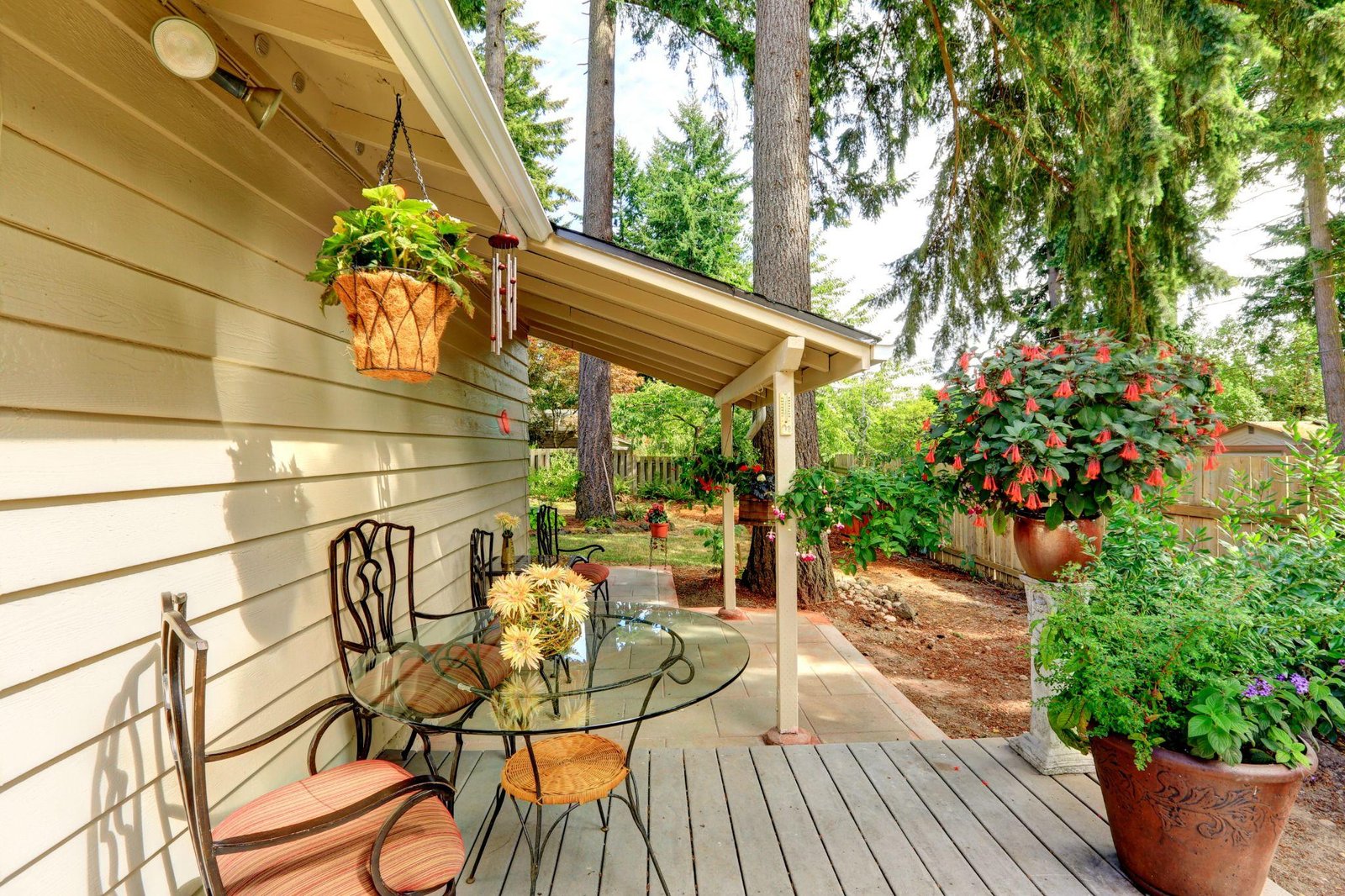
Landscaping plays a crucial role in determining the value of a property. Trees, in particular, significantly enhance the aesthetic appeal and environmental value of a home, which can contribute to a higher property valuation. Their visual charm, coupled with a host of environmental benefits, makes them a desirable feature for many homeowners. However, not all trees add the same value, and some may even detract from it under certain conditions. This article aims to guide property owners and potential buyers through the various ways trees can affect property value, highlighting the circumstances under which they boost or decrease it.
The Positive Impact of Trees on Property Value
Trees are an integral component of landscaping that can positively influence property value. A range of studies corroborates this, demonstrating that well-placed trees can increase property prices by as much as 15%. One of the primary ways they do so is by enhancing a property’s curb appeal. First impressions are often lasting, and a property with lush, healthy trees can leave potential buyers enchanted, portraying a sense of tranquillity and well-being.
Moreover, trees strategically planted around a house offer energy savings by providing shade during hot summer months, thereby reducing cooling costs. They act as natural insulators, regulating homes’ internal temperatures and providing protection against harsh weather. In addition, their environmental benefits are undeniable. Trees improve air quality by absorbing pollutants and releasing oxygen. They also serve as natural sound barriers, effectively reducing noise pollution, which can be a selling point in busy urban settings.
Identifying the Right Trees to Increase Property Value
When selecting trees that can boost property value, certain characteristics should be considered, such as size, species, and overall aesthetic appeal. Large, mature trees are often seen as valuable assets due to their established presence and stature. The species of a tree is also crucial—native species tend to be more beneficial as they require less maintenance and integrate well with the local ecosystem. Non-native species may demand more resources and care, and in some cases, could disrupt local biodiversity.
Selecting the right trees also depends on the property’s climate and landscape. In warmer climates, drought-resistant species like acacias or eucalypts are ideal, while deciduous trees like maples and oaks might be better suited for temperate areas. It is also vital to ensure trees are structurally sound and healthy, as this influences both their longevity and their impact on property value.
When Trees Might Decrease Property Value
Despite their benefits, trees can also detract from a property’s value when improperly placed or maintained. For instance, trees planted too close to the house can cause structural damage with their roots, leading to costly repairs. This can be a deterrent for potential buyers concerned about future costs. Furthermore, trees that are disease-ridden or infested with pests are not only a visual blight but can also spread these issues to neighbouring properties.
Such trees can also lead to legal and insurance headaches. If a tree on one’s property falls and causes damage to others’ property, the liability could be significant. Additionally, during storms, tree branches and debris can become hazards, damaging the property or neighbouring structures. In these scenarios, it’s no wonder when trees become a problem in determining property value.
Best Practices for Tree Maintenance on Your Property
Maintaining trees properly can prevent many issues that devalue a property. Regular pruning and health assessments by certified arborists are essential to keeping trees in top condition. These professionals can identify potential threats and provide solutions to eliminate them before they become problematic.
Implementing effective disease prevention and pest control measures is another vital practice. This involves recognising early signs of pest infestations or illnesses and taking prompt action. Appropriate watering, fertilisation, and care are also crucial to ensure trees remain healthy and robust.
Local regulations can influence tree management approaches. Understanding these guidelines is necessary for compliance and the prevention of potential fines or mandates for tree removal. Adopting these best practices not only helps in maintaining the aesthetic value of trees but also safeguards their health and structural integrity.
Considering Trees in Real Estate Transactions
Trees are an important consideration during real estate transactions. When evaluating a property, the presence and condition of trees should be factored into the appraisal. For buyers, understanding the quality and potential risks associated with trees on a property can guide their purchase decisions. Sometimes, negotiations may result in property value adjustments if trees present significant concerns or require extensive maintenance.
It’s also crucial for both buyers and sellers to consider how potential renovations or redevelopments might impact existing trees. Construction work can inadvertently damage tree roots or soil foundations, which can lead to a decline in tree health.
Conclusion
The impact of trees on property value is dual-faceted: while they can enhance it substantially, they can also detract from it under certain conditions. Making informed decisions regarding tree selection and maintenance is critical for optimising these benefits. Balancing the tranquillity and beauty of trees with practicality is key to enhancing property value. For those unsure about managing their tree assets, consulting with landscaping and real estate professionals is advisable, ensuring optimal results are achieved.