Veterinary hospitals are experiencing a wave of innovation, transforming the way pet care is delivered and the client experience. Advances in architectural design, technology integration, and patient-focused service are combining to offer a more efficient, comfortable, and supportive environment for both animals and their owners. Veterinary practices like Hebron Veterinary Hospital demonstrate how these innovations can elevate every aspect of pet healthcare, from the moment clients walk in until their beloved animals are back at home.
Pet care is evolving rapidly alongside rising expectations for medical standards and client service. Today, veterinary hospitals are adopting design philosophies once reserved for high-end healthcare and hospitality, blending compassionate care with convenience and comfort. As more families welcome pets into their homes, demand for better veterinary environments is driving new ideas across everything from waiting room layouts to sustainable construction.
Clients and pets alike benefit from these changes. A well-designed veterinary hospital reduces stress for animals, streamlines staff workflows, and improves the overall visitor experience. Modern trends also make veterinary care more accessible and eco-friendly, emphasizing the well-being of pets and communities.
Emerging approaches, supported by research and informed by pet owners’ feedback, are setting new standards for the industry. This article explores the leading innovations shaping the future of veterinary hospital design and service delivery.
Architectural Advancements in Veterinary Hospitals
Veterinary hospitals today are designed not just for utility, but also for calmness and comfort. Recent award-winning hospitals, spotlighted in the 2025 Hospital Design360 Competition, feature open layouts, soothing color palettes, and generous use of natural light. These architectural choices help minimize anxiety for pets and improve the working conditions for veterinary teams. Comfortable waiting rooms and private consultation areas ensure pets have a positive, stress-free experience throughout their visit.
Integration of Technology in Veterinary Care
Advanced technology is now a cornerstone of modern veterinary care. Clinics regularly use digital X-rays, state-of-the-art ultrasound, and cloud-based medical records to increase efficiency. Smart wearables, such as pet health monitors, provide real-time insights into animal health and support proactive care management. According to a recent Forbes Business Council feature, these advancements streamline workflows and improve diagnostic quality, allowing veterinarians to spend more time with patients and make more informed treatment decisions.
Emphasis on Fear-Free Environments
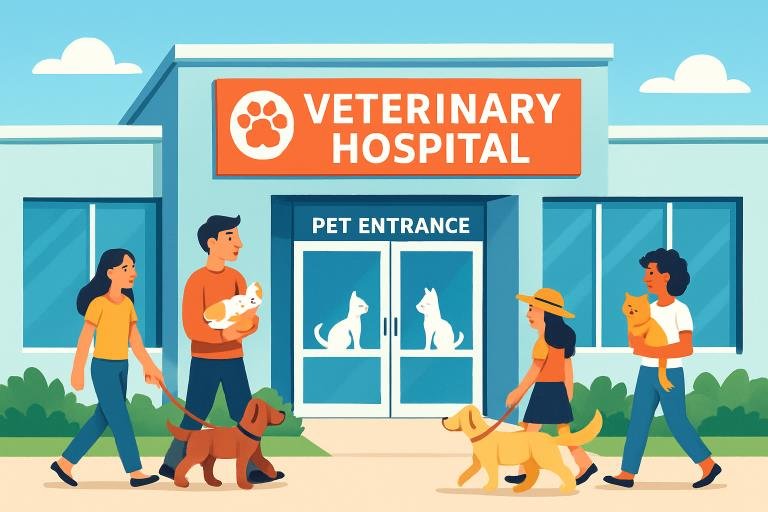
Recognizing that a visit to the vet can be highly stressful for animals, many hospitals are prioritizing “fear-free” design principles. These facilities employ sound-dampening materials, separate entrances for cats and dogs, and strategically placed exam rooms to reduce unfamiliar scents and sounds. Achieving certifications such as the Fear Free Veterinary Practice distinction, as seen at the Heart of Texas Veterinary Specialty and 24-Hour Emergency Center, signifies a commitment to minimizing anxiety and creating a more positive healthcare experience for pets.
Expansion of Specialty Services
Veterinary hospitals are no longer limited to general medicine and surgery. Many leading facilities now offer specialty services, including oncology, neurology, dermatology, and advanced imaging. The VCA Dallas Animal Specialty Hospital provides integrated specialty care, allowing pets to benefit from expert collaboration and state-of-the-art treatment options. Such comprehensive care under one roof improves outcomes and aligns with owners’ preferences for expertise and convenience.
Adaptive Reuse of Commercial Spaces
Urban growth and rising pet ownership are fueling a new wave of adaptive reuse in veterinary hospital design. Former retail locations and vacant commercial properties are increasingly being renovated into modern clinics. By transforming existing spaces, veterinary practices can serve more communities and rejuvenate underused parts of town. According to BizJournals, this approach not only helps meet record demand for animal healthcare but also supports sustainable urban growth.
Enhanced Client Experience
Client expectations are shaping the design and operation of veterinary hospitals. Features like online appointment scheduling, contactless check-in, and transparent pricing contribute to smoother visits and stronger client-provider relationships. Many clinics, such as Sploot Pet Care in Denver, have designed their interiors like day spas with calming music and minimalist decor to foster relaxation for both owners and animals. The focus is on providing a welcoming, hassle-free experience that leaves a lasting positive impression.
Sustainable Design Practices
Sustainability is at the forefront of many new veterinary hospital builds and remodels. Facilities are incorporating green building materials, energy-efficient HVAC systems, and water conservation measures. Achieving certifications like LEED Gold, as accomplished by the VCA Dallas Animal Specialty Hospital, demonstrates a commitment to environmentally responsible practices and healthier communities. These efforts reflect growing awareness of veterinary medicine’s broader impact on the planet.
Conclusion
The future of veterinary hospital design is bright, focused on better outcomes for pets and a smoother experience for the people who care for them. From architectural excellence to fear-free practice, expanded specialty services, and environmental stewardship, progressive veterinary hospitals are raising the standard for animal care worldwide. As more clinics embrace these ideas, pet owners can look forward to an even higher quality of service and support for their four-legged family members.