Key Takeaways
- Modular construction methods are revolutionizing project timelines and efficiency.
- Mass timber is emerging as a sustainable alternative to traditional building materials.
- Smart technologies are enhancing building performance and occupant comfort.
- Green certifications are becoming standard, reflecting a commitment to environmental responsibility.
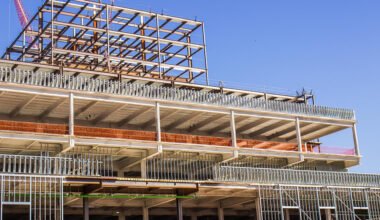
The future of commercial construction is accelerating toward sustainability, with industry leaders adopting innovative methods to reduce environmental impacts and deliver lasting results. Companies like Tutor Perini are advancing the field by utilizing new technologies and processes to improve projects at every stage. As demand for eco-friendly and high-performing spaces increases, new trends in commercial construction focus on energy efficiency, reduced operational costs, and occupant satisfaction. Clients expect buildings to align with environmental values and functionality. Innovative techniques, including smarter materials and digital controls, are transforming construction practices, making sustainability essential rather than optional. Modular construction has gained traction, enhancing efficiency and sustainability by reducing build times and energy use, achieving up to 50% faster schedules. It also improves quality control and minimizes waste through factory-controlled manufacturing. This evolution ensures long-term value, supports flexible scheduling and site safety, and limits the impact of weather delays.
Mass Timber: A Renewable Building Material
The adoption of mass timber, a renewable resource that includes cross-laminated timber and glulam beams, marks a significant departure from traditional steel and concrete. Because trees absorb carbon dioxide as they grow, wooden structures serve as carbon sinks throughout their lifecycle. This can make mass timber construction a superior option for reducing the carbon footprint in commercial buildings.
Beyond environmental benefits, mass timber offers unique architectural possibilities. Its strength and versatility support ambitious designs and deliver a warm, distinctive aesthetic. As prefabrication becomes more common, timber components are assembled off-site and delivered ready for installation, shortening construction timelines and minimizing on-site waste. An inspiring example is the Kendeda Building for Innovative Sustainable Design, which highlights how mass timber can deliver both performance and visual appeal.
Mass timber not only aligns with rigorous sustainability standards but also supports healthier indoor environments, as wood helps regulate humidity and contributes to biophilic design principles.
Smart Technologies: Enhancing Building Performance
Cutting-edge technologies are playing an essential role in making new buildings greener and more adaptable. Smart building systems are now standard, incorporating advanced controls for lighting, heating, ventilation, and air conditioning. These intelligent systems constantly monitor and adjust operations to maximize energy efficiency, resulting in lower utility bills and reduced greenhouse gas emissions.
Automated climate controls and lighting adapt to occupant behavior, improving comfort while preventing energy waste. Additionally, predictive maintenance sensors ensure equipment is serviced before failures occur, extending lifespans and preventing costly downtime. S&P Global’s headquarters in Manhattan set a precedent by integrating advanced air filtration and touchless features to support occupant wellbeing, earning praise for its forward-thinking approach.
As more companies seek properties with robust smart infrastructure, the demand for real-time data, increased automation, and digitally enhanced environments is set to rise.
According to the U.S. Green Building Council, smart building technology is fast becoming a hallmark of the highest-performing green buildings, with many leveraging real-time analytics to fine-tune energy use and reduce operating costs.
Green Certifications: A Standard for Sustainability
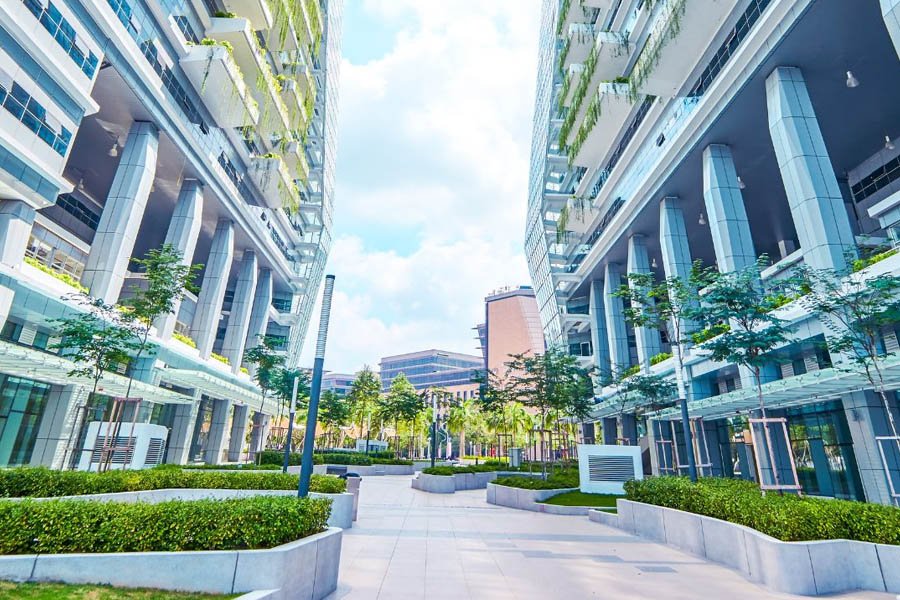
Green certifications such as LEED (Leadership in Energy and Environmental Design) and WELL Building Standard have become not just desirable but essential in today’s commercial construction landscape. Projects that achieve certification prove their commitment to reducing the environmental footprint and creating healthier spaces for occupants.
Properties with green certifications tend to command higher market values and attract tenants prioritizing sustainability. Certification also helps streamline regulatory compliance, allowing projects to gain approval and access incentives more easily. Furthermore, energy-efficient designs incorporated to meet certification requirements can translate to substantial utility cost savings over the building’s operational life. The Kendeda Building serves as a standout example, boasting multiple certifications that underscore its sustainability focus.
Pursuing these standards increasingly reflects broader societal values, positioning projects as industry benchmarks while contributing to larger-scale environmental progress.
Conclusion
Commercial construction is being reshaped by trends that prioritize both efficiency and environmental stewardship. Modular construction, mass timber, advanced building automation, and green certifications are ushering in a new era of sustainable development. By integrating these methods, industry leaders are setting standards that ensure responsible growth and a reduced ecological footprint. As these practices become more established, the expectation of sustainable outcomes will continue to rise, making them foundational to the industry’s future.