Key Takeaways
- Energy-efficient HVAC solutions significantly lower both operating costs and energy consumption.
- Modern HVAC technologies address environmental and comfort challenges more effectively than traditional systems.
- Consistent maintenance and the use of smart features can extend system lifespan and optimize performance.
As concerns about rising energy costs and environmental sustainability become increasingly urgent, both homeowners and businesses are shifting their focus toward energy-efficient solutions for temperature control. Among the most critical systems to optimize for efficiency is HVAC (heating, ventilation, and air conditioning), which plays a major role in property energy consumption. By implementing modern HVAC solutions, you not only achieve long-term utility savings, you also support a healthier planet. Working with a qualified electrician ensures safe and effective integration of advanced HVAC technologies into your property.
Today’s energy-efficient HVAC systems use advanced components like smart thermostats, variable speed motors, and upgraded insulation to maintain optimal comfort levels with less environmental impact. These systems have revolutionized how residential and commercial spaces are heated and cooled, offering a win-win for comfort and cost containment alike.
Making the switch to an efficient HVAC setup comes with a host of benefits, from immediate reductions in your utility bills to a notable decrease in carbon emissions. The advantages extend to more stable indoor climates and improved indoor air quality, creating a more comfortable and healthier environment for occupants.
As technological advances accelerate, understanding the latest trends and actionable maintenance tips is crucial for maximizing your investment in energy efficiency. Home and business owners who adopt innovative and well-maintained systems position themselves to reap both economic and environmental rewards for years to come.
Understanding Energy-Efficient HVAC Systems
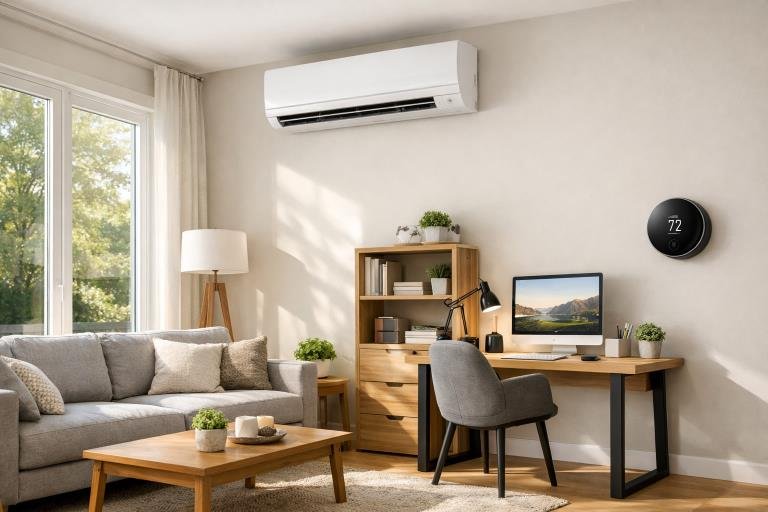
Modern energy-efficient HVAC systems are engineered to provide the same (or greater) levels of comfort as traditional solutions while using less energy. Key technologies include variable-speed blowers and compressors, which adjust power in response to real-time climate needs instead of operating at full capacity all the time. Smart thermostats further improve efficiency by allowing customized scheduling and remote adjustments through apps or voice assistants. Well-insulated ductwork and buildings complete the package, reducing the loss of heated or cooled air.
Another cornerstone of high-efficiency HVAC systems is the heat pump. Unlike conventional furnaces and air conditioners, heat pumps transfer heat rather than producing it, resulting in lower operational costs for both heating and cooling. Innovations in refrigerant technology and inverter-driven compressors have further driven improvements in system efficiency and environmental safety.
Benefits of Upgrading to Energy-Efficient HVAC
- Lower Utility Bills: Optimized energy use translates into substantial savings, particularly during peak heating or cooling seasons.
- Reduced Environmental Impact: Energy conservation helps lower carbon dioxide emissions, supporting global goals for climate action.
- Improved Indoor Comfort: Enhanced temperature control and improved air filtration contribute to more even, healthier indoor conditions year-round.
- Higher Property Value: Prospective buyers increasingly look for homes and businesses with energy-efficient amenities, which can positively influence resale values.
For more on the environmental and economic significance of efficient home upgrades, check out the New York Times guide to saving money on home energy bills.
Latest Advancements in HVAC Technology
The HVAC industry continues to innovate in response to climate concerns, regulatory changes, and consumer demand for greater efficiency. Notable advances include ductless mini-split systems, which enable targeted comfort control across different rooms without the energy loss typically associated with ductwork. Industry leaders like Lennox and Samsung are now partnering to release systems that utilize refrigerants with a much lower global warming potential. These next-generation systems are engineered to minimize energy use while maintaining high performance.
Ventilation systems are keeping pace with efficiency demands as well. Panasonic’s Intelli-Balance Elite series, for example, is designed to recover energy from outgoing air, which pre-conditions incoming fresh air to reduce heating and cooling loads. These ERVs (energy recovery ventilators) cater to modern airtight buildings, delivering good indoor air quality and comfort while supporting energy-saving goals.
Tips for Maintaining HVAC Efficiency
- Regular Professional Inspections: Schedule yearly checkups with a certified technician who can spot and address issues early.
- Timely Filter Changes: Replace HVAC filters every one to three months, as dirty filters can waste significant energy and degrade indoor air quality.
- Utilize Smart Controls: Invest in programmable thermostats and learn to optimize schedules around occupancy patterns and local weather changes.
- Seal and Insulate: Make sure your building’s ductwork, windows, and doors are well sealed to prevent costly losses of conditioned air.
- Monitor Energy Usage: Track utility bills and consider installing energy monitors to identify where improvements can be made.
Choosing the Right HVAC System for Your Needs
Selecting an HVAC system should be a personalized process. Factors like local climate, property size, insulation levels, and budget all play a role in finding the best match. A professional consultant or installer can perform detailed assessments and recommend systems that fulfill comfort, efficiency, and economic priorities. Make sure to ask about available incentives and rebates for upgrading to high-efficiency equipment, as many utilities and government agencies offer significant savings for energy-smart investments.
Conclusion
Embracing energy-efficient HVAC technologies brings substantial savings, improves comfort, and helps reduce your environmental impact. By staying informed about the latest advancements and maintaining your system, you can enjoy reliable climate control, healthier indoor environments, and a lower carbon footprint. Start with small changes and regular maintenance, and consult professionals to make energy-efficient systems work for you well into the future.