Key Takeaways:
- The modern farmhouse aesthetic is evolving to incorporate richer colors and diverse textures.
- Personalization and authenticity are becoming central to modern farmhouse design.
- Integrating vintage elements with contemporary features creates a balanced and inviting space.
Introduction
Modern farmhouse style has an enduring appeal because it blends together comfort with unpretentious, time-tested values associated with traditional American architecture. In 2026, farmhouse styling has evolved to include new design elements while maintaining continuity with the traditional rustic aesthetic. The modern farmhouse aesthetic has changed due to the introduction of contemporary, trend-inspired elements added to the timeless rustic style. As homeowners and designers create one-of-a-kind living spaces that express themselves, homeowners can shop modern farmhouse at Decor Steals to explore innovative styles of furniture, lighting and accessories.
The modern farmhouse of 2026 is not only warm and comfortable, but also opulent, artfully layered and a true reflection of the owners. Through the integration of inspiring new design concepts and meaningful, historical elements, the modern farmhouse of today is a work of art that reflects the life and experiences of the homeowner. It is this combination of tradition and innovation that makes the modern farmhouse an ever-evolving design trend and source of continual inspiration for anyone who finds themselves attracted to creating their dream home.
Embracing Rich, Moody Color Palettes
The traditional “modern farmhouse” aesthetic was based heavily on whitewashing and accents of pale or soft neutral tones; although many homes continue to embrace these styles today, many homeowners are now leaning to bolder colors in their homes. There is an emerging trend of homeowners using deeper colors throughout the home such as navy, charcoal, burgundy, and forest green mixed in cabinetry, mouldings, trim, and accent walls where these deepened shades of color can create an overall warmer vibe while still leaving room for bright accents and light-colored flooring.
This change in color palettes has been pushing the trend of modern farmhouse interiors further away from the rustic roots of the style, but rather creating an atmosphere of more sophistication. Homeowners have started to pair materials such as velvet with leather in their homes while using these colors to create warmth, comfort, rather than cold and sterile, which will be particularly popular for open-concept living areas as Elle Decor predicts a return to using the deeper colours for their ability to delineate large spaces while maintaining an intimate feel.
Incorporating Authentic Vintage Elements
Modern farmhouses place a much greater value on the item itself than the “distressed” look (as is often seen today). Every piece used in a modern farmhouse comes with a complete pedigree, enabling users to appreciate the quality of the piece beyond just how it looks. Antique pieces like barn doors, hand-crafted furniture, and ironstone dishes bring with them years of styling while still maintaining functionality for current lifestyle needs. On the other hand, vintage construction materials such as reused wooden beams, re-claimed bricks or traditional Wainscot-style panels, allow for the creation of new homes in a same manner that is impossible in the confines of the present time. By carefully sourcing items that further develop your aesthetic vision as well as providing you with a sustainable and environmentally friendly lifestyle, you can also contribute positively to the community.
One of the biggest trends today in terms of sustainable living is to focus on finding and using true vintage products over those that have been mass-produced. Restoring and/or re-imagining treasures from those who lived before us makes it easy for designers to bring together the history of design with current trends in home design.
Layering Textures for Depth and Interest
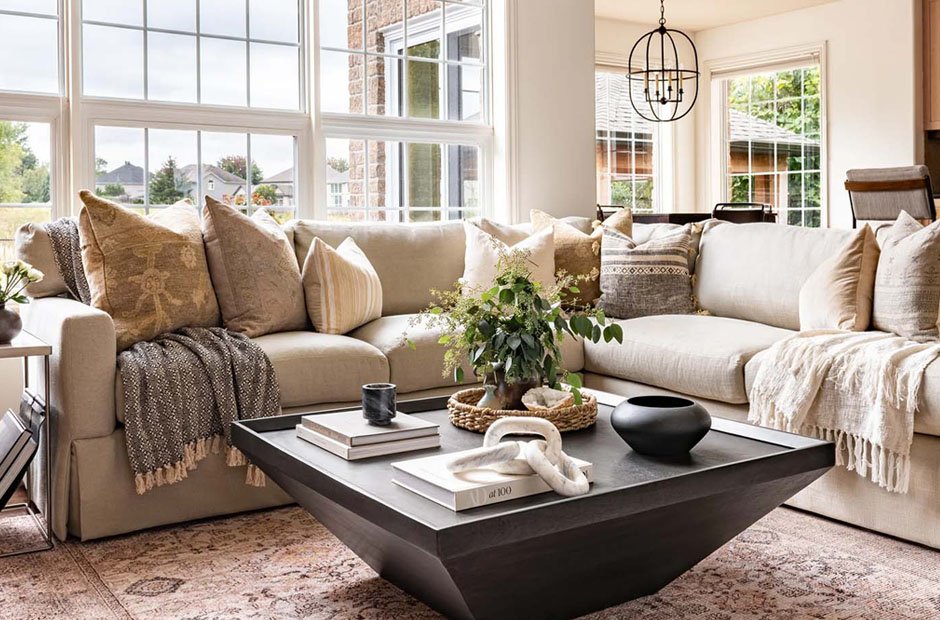
In contrast to the insipid wall hung artwork that will dominate 2026, where all art will be produced through the use of innovative technologies, all interiors in arts and crafts farmhouses in 2026 will have a welcoming atmosphere created through beautiful and warm spaces made up of quality and varied textures, which either work together or are at odds, but when combined, create visually appealing environments for those who enter these warm inviting interiors that provide comfort. For example, a lovely woven throw on a walnut bench creates a warm look for that space; smooth marble and hand-troweled plaster, while contrasting are still attractive; and the combination of sleek black steel with either exposed brick or shiplap creates an interesting visual and also makes these items suitable for integration into the overall decor style of the home, given that they are contrasting materials. As stated in Architectural Digest, it is important to understand how to successfully mix home textures in order to create cozy relationships between your materials. Therefore, when creating textural depth and character in a space, it is always preferable to use higher-quality textures rather than low-quality textures. When choosing your materials for your home, make informed decisions based on how they are most compatible with one another visually and physically in creating an inviting atmosphere for your guests. In other words, when making choices regarding the use of texture in homes, quality should always take precedence over quantity.
Personalizing Spaces with Curated Accessories
In the future, farmhouses will allow for a more personalized approach to decorating and collecting than many homes currently provide. The way that homeowners choose to showcase their personal collections will vary from homeowner to homeowner; however, the farmhouse will be a space where homeowners can showcase and create their passion by utilizing the items that are part of their lives, such as heirlooms, travel pieces, collectibles, handmade crafts, or inspirational books.
A homeowner can create a personalized environment that reflects their character and personality by surrounding themselves with items that foster an inviting, comfortable atmosphere. In addition to traditional home furnishings and textiles, a homeowner can also use their home’s interior to display family photographs from significant events, collected plant specimens from their own gardens, artwork created by themselves or artwork reflecting their interests.
The link between a homeowner’s personal story and carpet design creates an emotional connection between a farm home and its carpeting. Carpeting provides an opportunity for a farmhouse to develop and expand upon the emotional connection to the farm home through the homeowner’s personal history of living there.
Integrating Modern Technology Seamlessly
Despite rustic aesthetics being used by many, technology has an increasing presence within the Farmhouse of 2026. Hidden charging stations, integrated smart lighting, programmable thermostats using historically appropriate hardware are just a few examples where today’s practical modern upgrades can blend in with traditional designs and be all but invisible. A great example of this would be advanced kitchen appliances that have been built into custom cabinetry designed with Old World aesthetics to provide consumers with modern convenience in a manner that does not disrupt the view.
Utilizing this seamless way of combining modern technologies with historical references allows for modern conveniences to enhance rather than detract from the authentic nature of farmhouse design while still providing a way to meet today’s demands for connected life.
Balancing Old and New for a Timeless Appeal
The modern farmhouse will remain relevant for years to come because it maintains a connection to both our past and present as one story. Finding balance within that story such as mixing reclaimed wood floors with contemporary art, and balancing historical millworking with minimal light fixtures creates rooms with timeless quality that everyone can appreciate. The modern farmhouse continues to evolve, adapting to changes in current trends and technology, but it will always be the standard way we visually combine comfort and style.
Conclusion
The modern farmhouse is evolving into a style that has been heavily influenced by the expressive use of color, authentic materials, layered textures, and personal touches. Through combining traditional styles with modern innovations (such as technology), homeowners create a space that is both welcoming to guests and infinitely flexible for their own use.
Homeowners can create their unique vision of a modern farmhouse, whether they are renovating a historic piece of American history or taking inspiration from the style when building new construction. The goal is to embrace diversity and sustainability while incorporating your personality into the design for a classic yet contemporary look.