Minimalist design is renowned for transforming living spaces into serene sanctuaries through its focus on clean lines, intentional simplicity, and uncluttered environments. As our daily lives become increasingly complex, the allure of minimalist interiors continues to grow for those seeking a sense of calm and order. To achieve this, homeowners and professionals alike turn to resources such as an interior designer Denver for guidance on blending aesthetics and practicality in modern homes.
While minimalism once evoked images of stark, monochromatic interiors, today’s approach fuses functionality with warmth to create spaces that are not only stylish but also comfortable. This ongoing evolution is making minimalism more accessible, personal, and versatile, resulting in homes that are tailored to individual lifestyles.
Evolution of Minimalist Design
The concept of minimalism has evolved from strict restraint to ‘warm minimalism,’ blending simplicity with comfort through organic materials, soft lighting, and layered textures to create inviting spaces. Inspired by Japanese interiors and the Bauhaus, it emphasizes ‘less is more,’ with modern influences like smart technology and digital detox spaces. This shift supports versatile, clutter-free homes for families and remote workers seeking style and function.
Key Principles of Modern Minimalism
Modern minimalism is governed by a set of foundational principles that promote order, functionality, and beauty:
Simplicity: Designs are clear and straightforward, with no unnecessary elements.
- Functionality:Every aspect of the design must serve a specific purpose, supporting day-to-day living.
- Quality over Quantity:Spaces are curated with select high-quality pieces, favoring fewer possessions overall.
- Natural Materials:The use of wood, stone, linen, and other organic components creates a harmonious, earthy atmosphere.
Another key aspect of modern minimalism is the concept of intentional living. This means deliberately choosing what is both beautiful and useful, and letting go of excess. Accessories and furnishings are chosen with care, and each one is given space to “breathe” within the room.
Incorporating Natural Elements
Natural materials are at the heart of warm minimalism. Integrating wood, stone, wool, and rattan adds visual interest and tactile warmth, making the space feel more human and grounded. Nature-inspired decor and houseplants further connect indoor environments with the outdoors, promoting a healthier and more relaxed home.
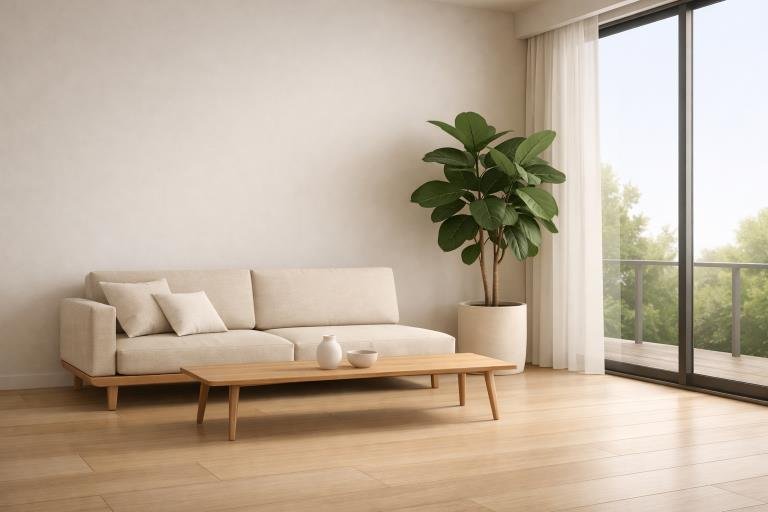
Natural light is often maximized to enhance the tranquil effect of these organic elements. Skylights, larger windows, or glass doors help connect interiors to the sky, greenery, or garden spaces outside. This seamless integration of indoor and outdoor environments is at the core of contemporary minimalist architecture and interior design, fostering a holistic sense of well-being throughout the home.
Functional Furniture and Layouts
Maximizing efficiency and maintaining an open feel are top priorities in minimalist interiors. Multifunctional furniture, such as modular sofas, extendable dining tables, and concealed storage, supports both form and function. Well-planned layouts ensure ample room for movement and daily activities while minimizing visual distractions.
Built-in cabinetry or floating storage units also play a significant role in creating a streamlined appearance. Careful furniture arrangement around focal points, such as a statement coffee table or a contemporary fireplace, directs attention and helps unify the overall design. Clear sightlines and unobstructed walkways make even compact urban spaces feel larger, brighter, and more accommodating for day-to-day living.
Color Palettes and Textures
The color schemes in modern minimalist homes lean toward neutral tones, ivory, beige, gray, and soft taupe, which provide a calming backdrop. However, adding subtle textures through textiles, area rugs, or wall finishes prevents the design from becoming too austere. A gentle accent in a muted earth tone or pastel can enhance visual appeal without overwhelming the senses.
Layering different textures, for example, pairing a soft wool rug with leather accent chairs or a linen throw, creates depth and visual interest. Artfully arranged textiles and well-chosen wall art add subtle personality, allowing minimalist spaces to express more character while maintaining a serene and cohesive vibe.
Lighting and Ambiance
Lighting is essential for setting the mood in minimalist interiors. Utilizing ample natural light is a priority, achieved with open windows, sheer curtains, or clever placement of mirrors. When daylight fades, thoughtfully designed artificial lighting, such as pendant fixtures or discreet LED strips, ensures a warm, welcoming glow that accentuates architectural features and decor elements.
Layered lighting, including wall sconces, under-cabinet lights, and dimmable fixtures, offers flexibility for different times of day and activities. This strategic approach creates an inviting atmosphere, ensuring beauty and comfort throughout daily routines and special occasions alike.
Personalization Within Minimalism
While striving for clarity and organization, minimalism need not feel sterile or impersonal. Carefully curated art pieces, cherished mementos, or distinctive decor items inject personality and meaning into a room, allowing homeowners to showcase their unique style without disrupting the cohesive design.
Personalization also comes through subtle details, such as a favorite vase, a single statement lamp, or a collection of treasured books arranged with intention. Minimalism celebrates the importance of choosing meaningful items that inspire joy and comfort, and of creating spaces that nurture creativity, mindfulness, and a sense of belonging.
Common Challenges and Solutions
One challenge of minimalist design is that it can sometimes read as cold or lifeless. To overcome this, designers recommend layering materials such as wool throws, plush cushions, and warm-toned finishes to introduce coziness and depth. Embracing greenery further enlivens the space and creates a sense of balance. Organizing essentials in closed storage keeps surfaces clear and upholds visual serenity, making the minimalist lifestyle both practical and livable. For more strategies to address common challenges in minimalist homes, refer to Livingetc.
Additionally, maintaining a minimalist space requires regular editing and organization. Periodically reassessing possessions ensures only what is truly valuable remains, preventing the gradual accumulation of clutter. Smart storage solutions, like baskets, drawer organizers, and hidden shelving, support long-term simplicity, making it easier to enjoy both beauty and function in daily life.
Summary
Achieving modern minimalist design is all about thoughtful choices and deliberate restraint. By embracing simplicity, careful material selection, and layers of warmth, any homeowner can create a space that feels tranquil, functional, and uniquely personal.