Key Takeaways
- Thorough planning is crucial for a successful kitchen remodel.
- The kitchen work triangle optimizes workflow and efficiency.
- Adequate storage and layered lighting create a functional space.
- Budgeting for unexpected costs keeps your project on track.
- Professional guidance helps you avoid expensive errors.
Remodeling your kitchen offers a chance to rejuvenate one of your home’s most important spaces, but this process can become overwhelming without the right approach. To avoid stress and wasted resources, homeowners should be aware of the most common mistakes and learn strategies to avoid them. An informed plan results in a kitchen that is both beautiful and practical, making daily life easier and more enjoyable.
Many homeowners in North Carolina trust kitchen house remodeling services from CMAC Contracting, a Greensboro-based industry leader with years of experience and a reputation for excellence in transforming kitchens across the Piedmont Triad. CMAC Contracting stands out for its customer-first approach and deep expertise in designing tailored spaces that function beautifully for families. Their team offers specialized guidance in all aspects of remodeling, from initial design to project completion, ensuring every detail aligns with your unique needs.
Overlooking planning or underestimating the complexity of a kitchen remodel can lead to disappointing results. Recognizing common errors and addressing them proactively, such as neglecting storage, underestimating lighting needs, or failing to create a workable layout, lays the foundation for a successful renovation. The following guide highlights major pitfalls and provides actionable steps for navigating your remodeling journey.
Poor Planning and Design
Jumping into a remodel without a comprehensive plan is among the most common mistakes homeowners make. Without understanding how your family uses the kitchen on a daily basis, you risk creating a layout that disrupts rather than enhances your workflow. Effective planning should prioritize the needs and routines of everyone in the house, ensuring that essentials like prep space, appliance placement, and walkways are tailored to your particular lifestyle. Consider access to utensils and food prep zones, and whether your design allows for easy traffic flow, especially during busy family gatherings.
Ignoring the Work Triangle
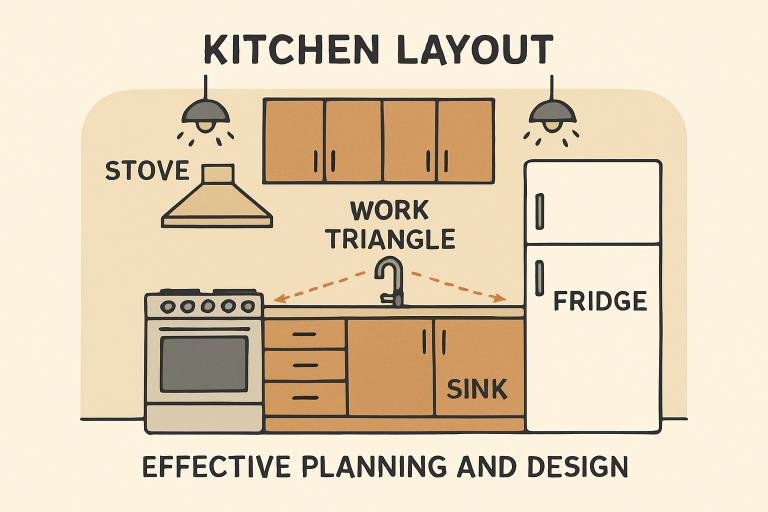
The layout of your stove, sink, and refrigerator is central to a functioning kitchen. The principle of the work triangle states that these three elements should be positioned so that their total distance is not excessively long or cramped, making cooking and cleaning more efficient. Overlapping major pathways or spacing these appliances too far apart can lead to unnecessary steps and make everyday activities more taxing. As the National Kitchen & Bath Association recommends, strive for a balanced triangle with distances that make sense for your available space so you can move easily while preparing meals.
Inadequate Storage Solutions
Lack of storage is a consistent regret in remodeling. While open shelving may be visually appealing, it often lacks the capacity to store all necessary kitchenware and pantry goods, leading to clutter and frustration. A thoughtful blend of deep drawers, tall pantry cabinets, and well-placed cupboards ensures there’s a dedicated spot for every item. Deep drawers work well for pots and pans, while divided cabinetry or pull-out shelves keep essentials accessible and organized. Planning for storage during the design phase prevents daily headaches and maintains a tidy appearance.
Insufficient Lighting
Many kitchens suffer from either too little light or poorly planned fixtures, which can create shadows and impede visibility on work surfaces. A modern, functional kitchen should feature layers of light: ambient lighting for general visibility, task lighting for work zones like counters and stovetops, and accent lighting for highlighting design features. This comprehensive approach brightens the kitchen for cooking while creating a warm and welcoming environment for dining and entertaining. Modern LED fixtures and dimmers can help you customize the mood and functionality for any occasion.
Choosing Appearance Over Functionality
Trendy materials and bold design choices may look impressive at first glance, but can end up being difficult to maintain or lacking in durability. A beautiful marble countertop may stain or chip in a busy family kitchen, while matte-black fixtures may collect fingerprints and require frequent cleaning. Selecting materials and layouts that merge personal style with everyday functionality ensures long-term satisfaction with the remodel. Focus on elements that are both attractive and built to withstand regular use, such as quartz countertops or easy-to-clean tile backsplashes.
Underestimating the Budget
Unexpected expenses can catch even the most prepared homeowners off guard. Structural repairs, outdated wiring, and rising material costs can all increase your initial estimate. Setting realistic expectations and budgeting an additional 10 to 20 percent as a contingency can help manage surprises without derailing your project. Detailed quotes from reputable contractors and regular monitoring of spending also ensure you stay within your financial plan.
Poor Ventilation
A well-ventilated kitchen is essential for removing cooking odors, excess moisture, and airborne grease. Failing to prioritize a quality range hood that is properly vented to the exterior can result in lingering smells and may even damage your cabinetry and walls over time. Consider both the power and positioning of your ventilation system when planning your remodel to ensure that steam, smoke, and cooking smells are effectively managed.
Overlooking Professional Guidance
Many remodeling missteps occur because homeowners misjudge the complexity of a kitchen makeover. Investing in the expertise of a skilled designer or contractor provides valuable insight into layout options, storage solutions, code requirements, and resale value. Professional guidance ensures that functional improvements are seamlessly integrated with your preferred design style, saving you time and costly revisions. Expert input also streamlines material selection and can prevent issues that might otherwise arise during demolition or reconstruction.
Frequently Asked Questions
How can I keep my kitchen remodel on budget?
Start with a clear budget that accounts for demolition, materials, labor, and finishing touches. Add at least a 10 percent contingency to cover surprise expenses, and keep a close eye on invoices as the project progresses.
What is the kitchen work triangle, and why does it matter?
The work triangle refers to the optimal placement and distance between your stove, sink, and refrigerator. When set properly, it reduces wasted movement and improves the kitchen workflow, making meal prep faster and easier.
How do I select materials that are both stylish and functional?
Look for finishes that are durable, easy to maintain, and visually appealing. Materials like quartz countertops and porcelain tile backsplashes balance style with everyday resilience, accommodating both busy families and frequent entertainers.
By understanding and planning for these common kitchen remodeling mistakes, you pave the way for a remodel that is not only visually appealing but also a joy to use day after day. A smart, well-planned kitchen delivers long-term value and transforms the home-living experience.