Essential Steps for Comprehensive Property Damage Recovery
When your property suffers damage, whether from a natural disaster, an accident, or unforeseen circumstances, the initial shock can quickly give way to a daunting challenge: how to recover what you’ve lost. Many policyholders mistakenly believe that filing a claim is a straightforward process, often leading to frustration and under-settled claims. 🚫 The reality is that comprehensive property damage recovery is a complex journey requiring a deep understanding of insurance policies, valuation methods, and legal rights.
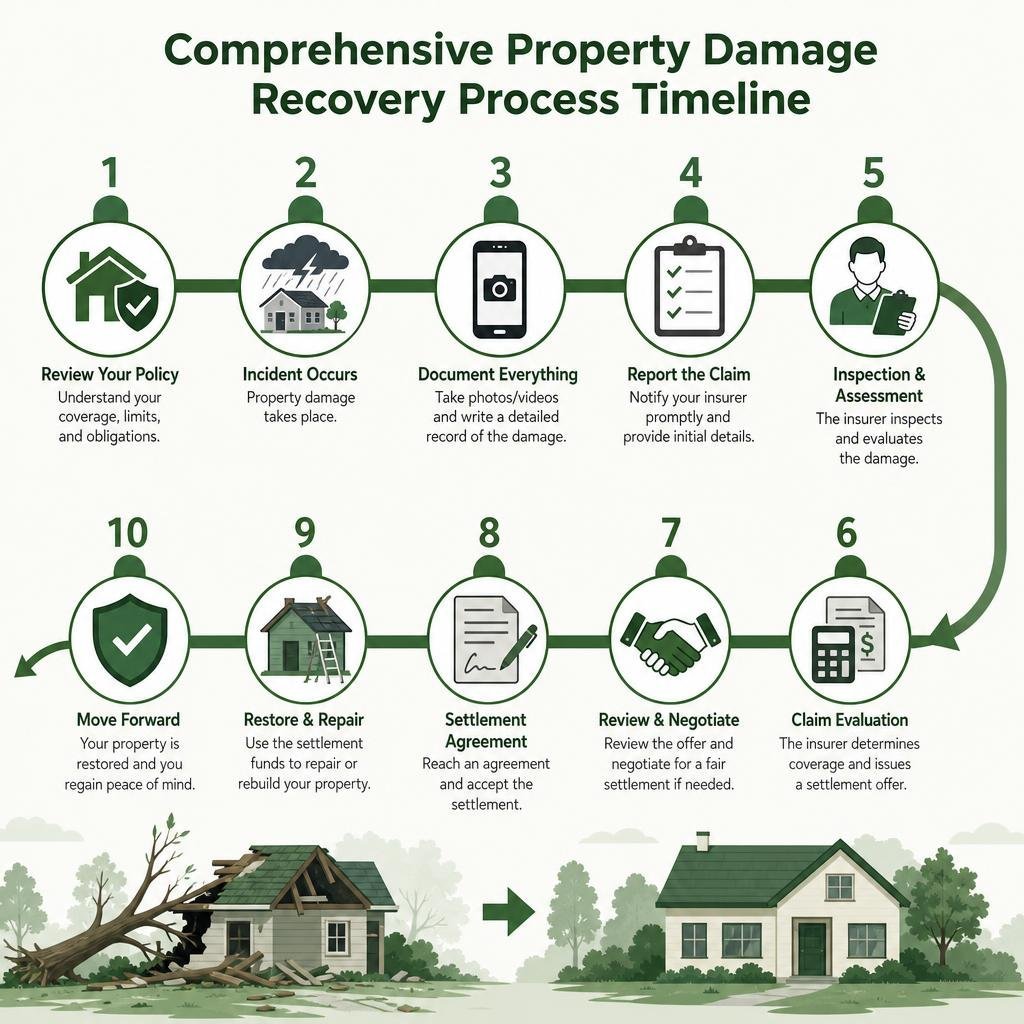
This extensive guide aims to demystify the entire process, providing you with the essential knowledge needed to navigate everything from initial documentation to challenging denied claims. We will explore the critical distinctions between first-party and third-party claims, delve into how different coverages protect your assets, and explain the intricacies of property valuation. For those facing particularly challenging situations, such as large-loss property claims, having a clear roadmap is invaluable. ✅ Our goal is to empower you to secure a fair settlement and restore your property with confidence.
Navigating property damage recovery effectively hinges on a thorough understanding of your insurance policies, proactive claim management, and adherence to contractual obligations to achieve financial restoration. The process begins long before an incident occurs, with selecting appropriate coverage, and extends through meticulous documentation and strategic negotiation. A well-prepared policyholder is better positioned to secure the full value of their loss.
First-Party vs Third-Party Claim Dynamics
Understanding the difference between first-party and third-party claims is fundamental to comprehensive property damage recovery. A first-party claim is filed directly with your own insurance company, relying on the terms and conditions outlined in your policy contract. This type of claim is governed strictly by your policy’s language, meaning coverage limits, deductibles, and exclusions apply as written. For instance, if your vehicle is damaged in a hailstorm, you would typically file a first-party claim under your comprehensive coverage.
Conversely, a third-party claim is filed against the insurance company of another party who is deemed at fault for the damage. These claims are governed by tort law, which often allows for the recovery of a broader range of losses, including incidental damages like towing, storage fees, and loss of use, beyond just the repair or replacement cost of the damaged property. For example, if another driver crashes into your car, damaging it and a nearby fence, you would file a third-party claim against their auto liability insurer for both your vehicle and the fence.
The determination of fault is crucial in third-party claims. In states like Illinois, for instance, comparative negligence laws dictate that a claimant can still recover damages as long as they are 50% or less at fault. If you are found 20% responsible for an accident, you could still collect 80% of your total damages from the other party’s insurer. This distinction highlights why identifying the at-fault party and understanding state-specific tort laws are vital for maximizing your recovery.
Differentiating Coverage Types in Comprehensive Property Damage Recovery
When it comes to auto insurance, two key coverages often cause confusion: comprehensive and collision. While both protect your vehicle from damage, they address very different scenarios, which is crucial for comprehensive property damage recovery.
Collision coverage is designed to cover damage to your vehicle resulting from an impact with another vehicle or object, regardless of who is at fault. This includes accidents like hitting a tree, another car, or even rolling over. It’s essential for protecting your investment in a vehicle, especially newer or high-value models.
Comprehensive coverage, on the other hand, protects against non-collision perils. This includes a wide array of incidents not involving a crash, such as theft, vandalism, fire, natural disasters like hail or floods, and damage from striking an animal. For example, if a severe hailstorm damages your car’s exterior, your comprehensive coverage would typically apply. Comprehensive coverage maximum payouts are generally capped at the actual cash value (ACV) of your vehicle, not necessarily the cost to replace it new. Both comprehensive and collision coverages typically involve a deductible, which is the amount you pay out of pocket before your insurance coverage kicks in. While not legally required by any U.S. state, lenders frequently mandate both for financed or leased vehicles, and carrying both is often recommended for optimal protection.
Physical and Real Property Scope
Comprehensive property damage recovery extends far beyond just vehicle damage. It encompasses a wide array of physical and real property types, each with its own valuation and recovery considerations.
Vehicle damage is perhaps the most common, covering repairs or replacement of automobiles, motorcycles, and other motorized transport. This can include everything from minor dents and scratches to total loss scenarios, and even extends to the diminished value a vehicle may suffer post-repair.
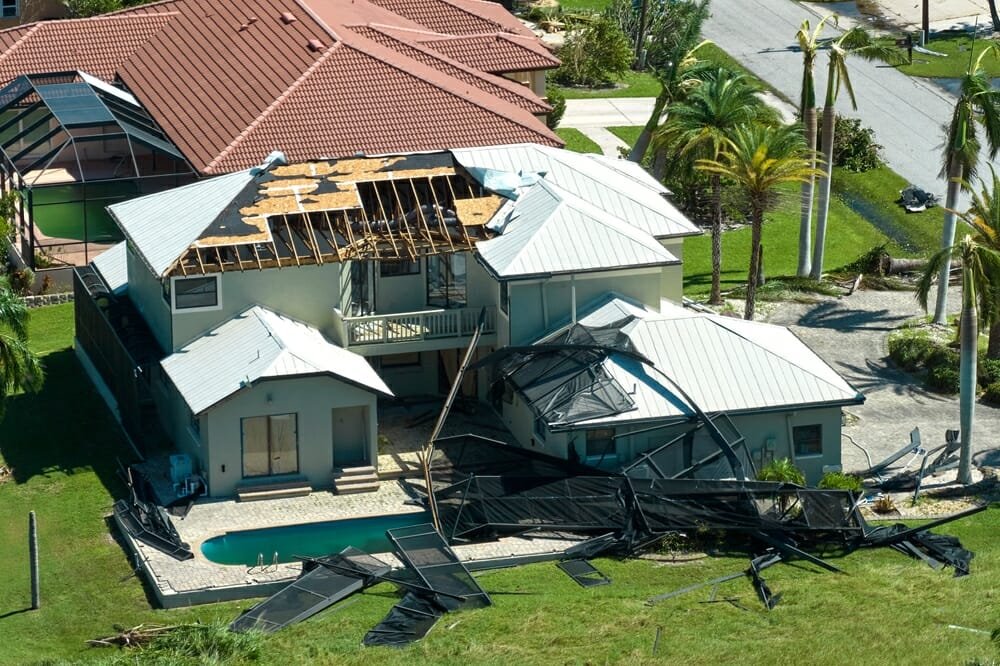
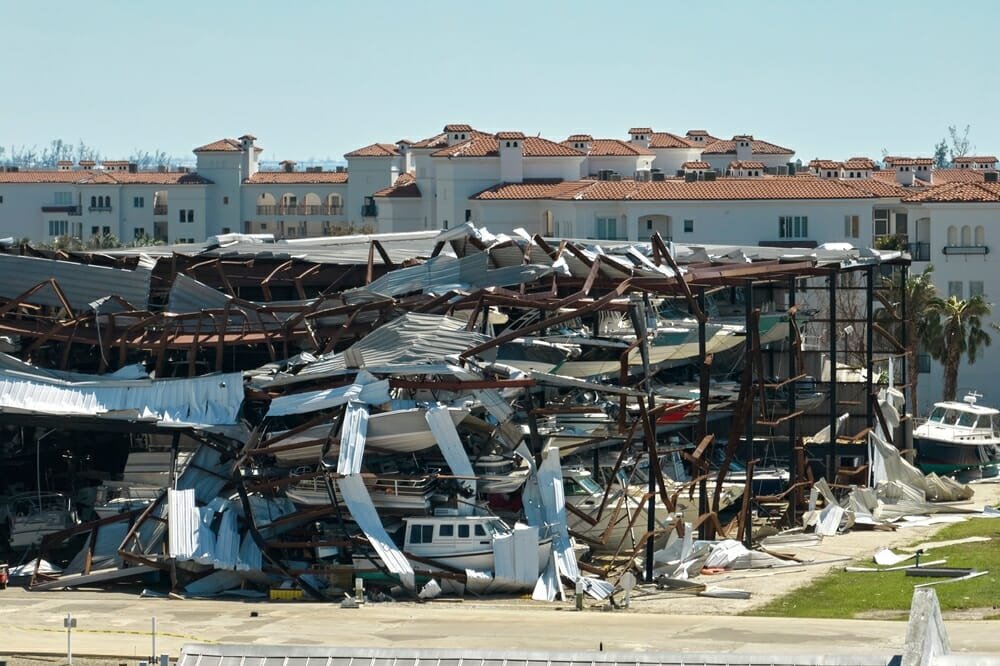
Real property refers to land and anything permanently attached to it, such as homes, commercial buildings, fences, and other structures. Damage to real property can be extensive, ranging from a vehicle crashing into a building or fence, to structural integrity issues caused by fire, water, or severe weather. These claims often involve complex assessments of structural soundness, building codes, and specialized restoration techniques.
Finally, personal property refers to movable items not permanently affixed to real estate. This includes everything from furniture, electronics, and clothing within a home or business, to items like laptops or cameras damaged inside a vehicle during a collision. Documenting the pre-loss condition and value of personal property is crucial for successful recovery, often requiring receipts, photographs, or detailed inventories. Understanding this broad scope ensures that all affected assets are considered in your recovery strategy.
Property Valuation Models and Depreciation Factors
Accurately valuing property damage is a cornerstone of comprehensive property damage recovery. Insurers and policyholders often dispute the true cost of repairs or replacement, making it essential to understand the underlying valuation methods and how depreciation calculations impact your final settlement. The goal is to determine the pre-loss value of the damaged item or structure and the material costs associated with its restoration.
Replacement Cost Value vs Actual Cash Value
Two primary methods are used to value property damage: Replacement Cost Value (RCV) and Actual Cash Value (ACV). The distinction between these two is critical for comprehensive property damage recovery.
Replacement Cost Value (RCV) refers to the cost to repair or replace damaged property with new materials of like kind and quality, without any deduction for depreciation. Under an RCV policy, you would typically receive an initial payment based on the ACV, and then, after repairs are completed and invoices submitted, the insurer would release the “recoverable depreciation,” bringing your total payout up to the full replacement cost. This means you are reimbursed for the full cost of replacing the item, enabling you to restore your property to its pre-loss condition without incurring significant out-of-pocket expenses beyond your deductible.
Actual Cash Value (ACV), on the other hand, is calculated as the replacement cost minus depreciation. Depreciation accounts for factors like age, wear and tear, and obsolescence. So, if an item costs $1,000 new but has depreciated by 50% due to its age and use, its ACV would be $500. Insurers calculate ACV to reflect the item’s market value just before the damage occurred. While ACV policies are often less expensive, they typically leave the policyholder responsible for the difference between the depreciated value and the actual cost of replacement or repair.
Feature Replacement Cost Value (RCV) Actual Cash Value (ACV) Payout Basis Cost to replace with new, similar item Replacement cost minus depreciation Depreciation Not deducted (initially withheld, then paid upon repair) Deducted for age, wear, and obsolescence Policy Cost Generally higher premiums Generally lower premiums Out-of-Pocket Lower (after recoverable depreciation is paid) Higher (policyholder covers depreciation gap) Restoration Aims to restore property to new condition Aims to restore property to pre-loss market value Payment Process Often two payments (ACV first, then recoverable depreciation) Typically a single payment Understanding which valuation method applies to your policy is paramount, as it directly impacts the financial outcome of your claim.
Regional and Building Factors Impacting Repair Costs
The cost of comprehensive property damage recovery is not uniform across the nation; it is heavily influenced by regional cost indices and specific building factors. For instance, data from sources like Xactimate and RSMeans 2025 indicates significant regional variations. The Northeast and Pacific West regions consistently run 25–40% above the national average for property damage restoration costs, reflecting higher labor rates, material costs, and logistical challenges in those areas. Conversely, the Southeast and Midwest typically run 5–10% below the national average. These regional adjustments are critical for accurate estimating and ensuring fair settlements.
Beyond geography, the age and construction of a building play a substantial role. Homes built before 1980, for example, can add a significant 25–40% to restoration costs due to mandatory hazmat protocols. This premium is primarily driven by the need for specialized procedures to safely identify and abate hazardous materials like lead-based paint and asbestos, in compliance with EPA and OSHA regulations. Ignoring these protocols can lead to severe health risks and legal liabilities.
When dealing with specific types of damage, such as those caused by water, specialized services are often required. For instance, comprehensive water and mold restoration is crucial after floods or burst pipes, and the costs associated with these services also vary regionally and depend on the extent of contamination and structural drying needed. Factoring in these regional and building-specific elements is essential for developing a realistic and comprehensive recovery plan.
Calculating and Claiming Diminished Value
Diminished value is a crucial,, aspect of comprehensive property damage recovery, particularly for vehicles. It refers to the reduction in a property’s market value even after it has been fully repaired. This loss of value occurs because a damaged and repaired item, especially a vehicle, is often perceived as less desirable or reliable than one that has never been damaged, regardless of the quality of the repairs. This inherent diminished value means that its post-repair value will likely be less than its pre-loss condition market value.
Insurers rarely raise the issue of diminished value voluntarily, requiring policyholders to actively pursue it. To successfully claim diminished value, you typically need to demonstrate the market value loss through an independent appraisal. This appraisal should compare the vehicle’s market value before the accident to its market value after repairs have been completed. Factors influencing diminished value include the severity of the damage, the quality of repairs, and the vehicle’s make, model, and age. While more common in auto claims, the concept can also apply to other high-value assets that suffer a permanent stigma after significant damage and repair.
Documenting Damage and Evidence Collection
Thorough documentation is the backbone of successful comprehensive property damage recovery. Without contemporaneous evidence, a detailed record of your loss, and a meticulously prepared proof of loss, your claim can be significantly undervalued or even denied. Effective claim preparation begins immediately after an incident.
Advanced Evidence Collection for Comprehensive Property Damage Recovery
In today’s landscape, advanced evidence collection methods are transforming comprehensive property damage recovery. Beyond basic photographs, policyholders now have powerful tools at their disposal.
- Photo and Video Evidence:Capture extensive photos and videos of all damaged property and the surrounding scene from multiple angles. Include wide shots for context and close-ups for detail. Ensure these are timestamped and geotagged whenever possible.
- Historical Weather Data:For weather-related damage, leveraging historical meteorological data from sources like NOAA and the National Weather Service (NWS) can be invaluable. This data can pinpoint exact hail sizes, wind speeds, and event dates for specific parcel locations, providing irrefutable evidence of the cause of loss.
- AI Damage Detection:Emerging technologies, such as those offered by Inspect.Properties, utilize AI analysis of drone and mobile property inspection photos. These systems can achieve over 94% accuracy in identifying specific storm damage markers like hail impacts, wind damage, and missing shingles. Users report an 80% faster time to claim approval and a 40% approval rate lift by compiling measurements, weather reports, and AI-detected damage into a single, standardized evidence package.
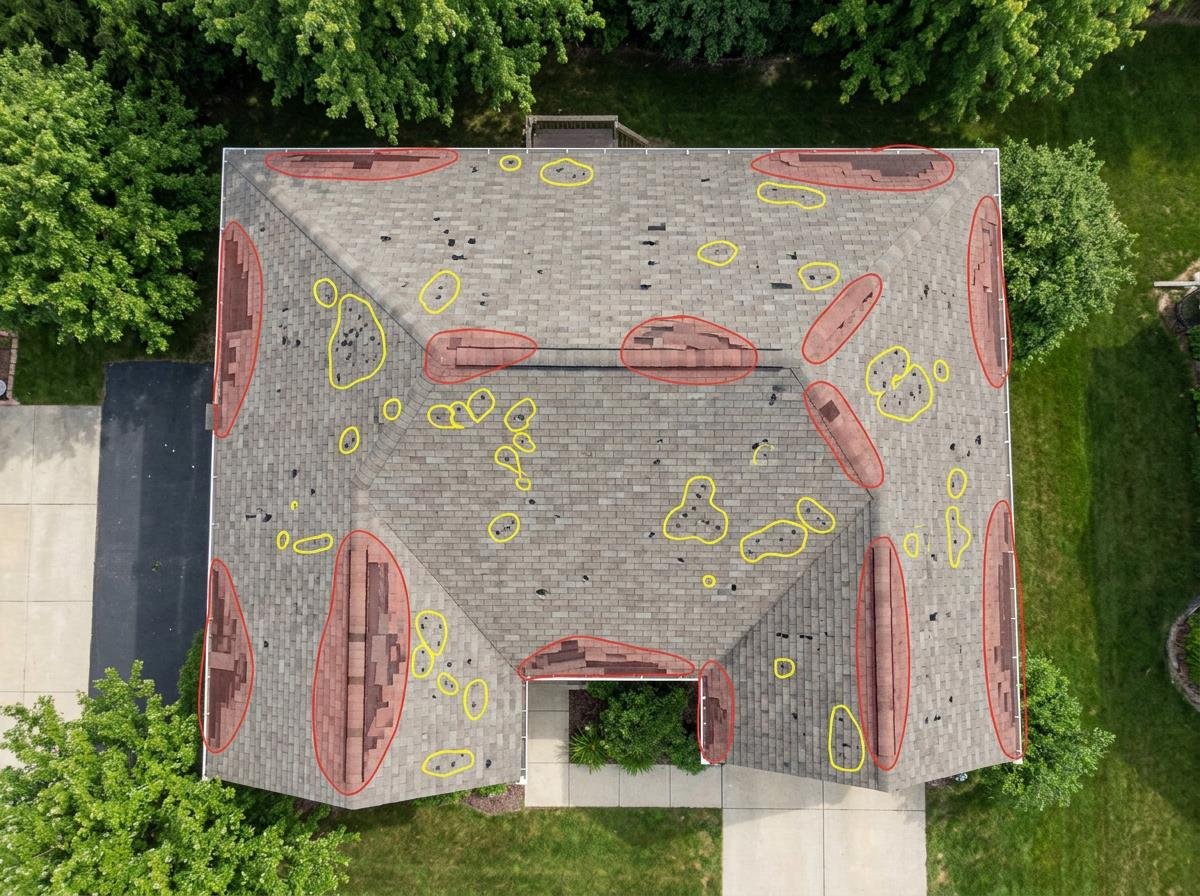
Here is a list of essential claim documentation items:
- Detailed inventory of all damaged items, including descriptions, quantities, and estimated values.
- Purchase receipts, appraisals, or photographs proving pre-loss condition and ownership.
- Police reports or incident reports.
- Contact information for all involved parties and witnesses.
- Independent repair estimates from licensed contractors.
- A written journal log of all communications with insurers, adjusters, and contractors.
- Copies of your insurance policy, including all endorsements.
- Proof of temporary repairs or mitigation efforts to prevent further damage.
This systematic approach to evidence collection significantly strengthens your position during negotiations and helps ensure a fair settlement.
Environmental Mitigation and Structural Decontamination
Beyond the immediate physical damage, comprehensive property damage recovery often involves addressing environmental mitigation and structural decontamination. This is particularly true in cases of fire, smoke, and water damage, where secondary damage can be just as, if not more, destructive than the initial event.
For instance, after a fire, smoke and soot can permeate porous materials, leaving behind corrosive residues and persistent odors. Effective smoke mitigation and soot removal require specialized cleaning techniques and equipment to prevent long-term damage and health issues. Similarly, water damage can quickly lead to mold growth if not properly dried and treated. Structural decontamination ensures that all affected areas are thoroughly cleaned, disinfected, and dried to prevent microbial growth and further deterioration.
A critical aspect of this process is HVAC decontamination. Smoke, soot, mold spores, and other contaminants can circulate throughout a building’s heating, ventilation, and air conditioning system, compromising indoor air quality and recontaminating cleaned spaces. Professional professional air duct cleaning is often necessary to remove these pollutants from the ductwork, ensuring that the air circulating within the restored property is clean and healthy. Neglecting these environmental and decontamination steps can lead to ongoing health problems, reduced property value, and even further structural damage.
Overcoming Claim Disputes, Denials, and Legal Hurdles
Even with meticulous documentation, policyholders may encounter claim disputes, outright denials, or lowball offers from insurance companies. Navigating these challenges is a critical phase of comprehensive property damage recovery, requiring persistence and a strategic approach to uphold your policyholder rights and achieve a just resolution.
Navigating Disputes, Appraisal Clauses, and Bad Faith
When an insurance company denies your claim or offers an inadequate settlement, the first step in comprehensive property damage recovery is to request a written denial. This document should clearly state the reasons for the denial, referencing specific policy language or exclusions. Understanding their rationale is crucial for formulating your rebuttal.
Next, gather independent estimates from reputable contractors. These estimates, often higher than the insurer’s assessment, provide a strong basis for challenging an underpayment. Many policies contain an “appraisal clause,” a powerful tool designed to resolve disputes over the “amount of loss.” If invoked, both parties hire an independent appraiser, and if they can’t agree, an umpire is brought in. The decision of any two (appraisers or umpire) is binding, offering an alternative to litigation for valuation disagreements.
In some cases, an insurer’s conduct may cross into “bad faith” practices. This occurs when an insurance company unreasonably denies a claim or delays payment without proper cause, violating their contractual and legal obligations to their policyholders. Examples include intentionally misrepresenting policy provisions, failing to conduct a thorough investigation, or refusing to pay a legitimate claim.
It’s also vital to be aware of statutes of limitations, which dictate the time frame within which you must file a lawsuit for property damage. For example, in Illinois, property damage claims typically must be filed within 5 years from the date of the incident, while bodily injury claims have a 2-year limit. State-specific prompt payment rules also exist, requiring insurers to respond and process claims within certain timeframes. For particularly complex or high-value losses, such as large-loss property claims, understanding these legal nuances and potential avenues for recourse becomes even more critical.
When to Retain Legal Representation or Public Adjusters
For complex or disputed claims, retaining professional assistance is often a wise investment in comprehensive property damage recovery. Public adjusters are licensed professionals who exclusively represent policyholders, not insurance companies. They are experts in policy language, damage assessment, and negotiation. A public adjuster can meticulously document your loss, prepare a comprehensive claim package, and negotiate with your insurer on your behalf, often resulting in a significantly higher settlement than you might achieve alone. They are particularly valuable for large, intricate claims where the scope of damage is extensive or difficult to quantify.
Legal counsel becomes necessary when claims are denied outright, when there are significant disputes over coverage or liability, or when the insurer exhibits bad faith practices. An attorney can interpret complex legal statutes, litigate on your behalf, and ensure your rights are protected. This is especially true for commercial losses, where business interruption can lead to substantial financial impact. For example, assessing business interruption losses for a hotel might involve complex calculations based on metrics like the AHLA 2025 RevPAR benchmarks (e.g., $162 ADR at 63.4% occupancy translating to $102.78/room daily loss), which often require expert financial and legal analysis. Both public adjusters and lawyers serve as powerful advocates, helping to level the playing field against large insurance carriers.
Frequently Asked Questions
Navigating comprehensive property damage recovery can raise numerous questions. Here, we address some of the most common inquiries to provide clarity and guidance on consumer rights and policy interpretation.
What is the main difference between actual cash value and replacement cost value?
The main difference between actual cash value (ACV) and replacement cost value (RCV) lies in how depreciation is handled. Actual cash value policies pay out the depreciated value of your damaged property, meaning the cost to replace it new minus deductions for age, wear, and tear. This often leaves you with significant out-of-pocket costs to fully replace the item. Replacement cost value policies, conversely, pay the cost to replace your damaged property with new items of similar kind and quality, without deducting for depreciation. While an initial payment might be based on ACV, the remaining depreciation is typically reimbursed once you complete repairs or replacements and submit proof of expenditures.
How long do property owners have to file a property damage claim?
The time limit for filing a property damage claim is governed by the statute of limitations, which varies significantly by state. For instance, in Illinois, property owners generally have 5 years from the date of the incident to file a lawsuit for property damage. This differs from personal injury claims, which often have a shorter statute of limitations, such as 2 years in Illinois. It is crucial to understand your state’s specific deadlines, as failing to file within the prescribed period can result in losing your right to recover damages entirely. Always consult your policy and state laws immediately after a loss.
What steps can be taken if an insurance company underpays a damage claim?
If you believe your insurance company has underpaid your property damage claim, several steps can be taken. First, request a written explanation for their settlement offer, detailing how they arrived at their valuation. Next, gather independent contractor estimates that reflect the true cost of repairs or replacement; these can serve as powerful counter-evidence. If the dispute is solely over the amount of loss, you may be able to invoke your policy’s appraisal clause, which provides a formal dispute resolution process. Finally, if negotiations fail or if you suspect bad faith, consulting with an experienced public adjuster or legal professional can provide guidance on further action, including potential litigation.
Conclusion
Comprehensive property damage recovery is undeniably a complex and often challenging process, yet it is entirely navigable with the right knowledge and approach. From understanding the nuances of first-party versus third-party claims to differentiating between replacement cost and actual cash value, each step demands attention to detail. We’ve highlighted the critical importance of systematic documentation, leveraging advanced evidence packages, and understanding the regional and structural factors that influence repair costs.
Your ability to achieve full financial restoration hinges on proactive engagement, meticulous record-keeping, and a willingness to challenge inadequate offers. Whether through diligent self-advocacy, the expertise of a public adjuster, or the strategic guidance of legal counsel, empowering yourself with information is your strongest asset. By following the principles outlined in this guide, you can confidently navigate the recovery journey and ensure your property is restored to its rightful condition.