Kids’ playground planning is a fun task that involves creativity, safety, and consideration to create a place where children can grow to the ground level.
A professionally designed playground will promote physical activity, socialisation, and creativity, making it a valuable investment in schools, parks, and communities.
Want to create a playground that really makes a difference in the life of a child? Below are five key tips you should remember.
1. Put Safety First in All Decisions
The most crucial factor in playground design is safety, and it’s a rule of thumb that all elements used should be selected with children in mind. This involves the provision of:
- impact-absorbing surfaces,
- adequate spacing between equipment, and
- using age-appropriate structures.
Caregiver sightlines and secure fencing can help prevent accidents. Once safety is considered in the design process, children can explore and play freely, leaving adults with ultimate peace of mind.
2. Select a long-lasting and interactive Equipment
The equipment you choose makes a massive difference in the frequency and duration of playground use. The playground should be built with durable materials and include structures to make it appealing and functional over the years.
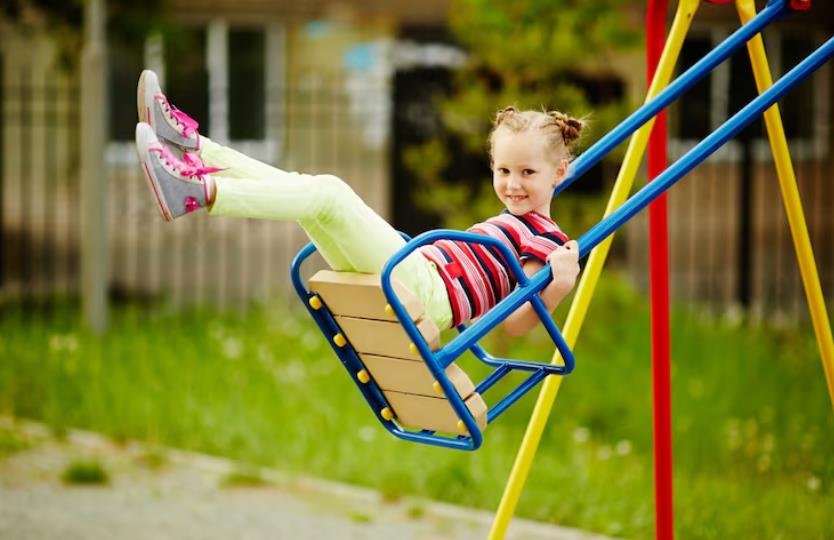
Swings, climbing frames, high-quality playground slides, and other features allow kids to have fun and develop physically. Are your desired pieces of equipment built to last? If so, they can withstand heavy use and changing weather conditions without frequent repairs.
3. Design for Different Age Groups
Children develop at different stages, so it’s important to design a playground that caters to various age groups while keeping everyone on the same page.
Toddler, younger, middle, and older children must have separate zones with activities designed to be both safe and challenging.
Smaller items and milder ramps suit younger children better. On the contrary, climbing walls and more intricate constructions can entertain older people. This considerate separation enables every child to make the most out of the space.
4. Promote Play that is inclusive and Creative
An excellent playground is friendly to all kids, not just those with disabilities, and is on the leading edge of inclusive playground design. The inclusion of wheelchair-accessible ramps, sensory play panels, and adaptive swings allows all children to participate.
Imagination and cooperation are also promoted by creative elements of play, such as musical features or themed structures. Remember, all-inclusive playgrounds help children develop empathy and make playtime more rewarding for all participants.
5. Think about Maintenance and Future Growth
Lastly, an effective playground strategy does not only look at today’s needs but also at future needs. The use of low-maintenance landscaping and materials, scheduling frequent check-ups, and providing space for future upgrades can serve as the cherry on top.
As children’s needs vary and communities grow, it’s advisaed to add new features without having to start over. This will keep the playground relevant and engaging at all times.