Key Takeaways
- Choose the experience around the occasion, guest count, budget, and preferred pace.
- Review the menu, seating arrangement, accessibility details, and included charges before reserving.
- Check wind, rain, heat, and schedule policies, because conditions on the water can feel different from conditions on land.
- Arrive early enough to park, check in, board comfortably, and begin the occasion without stress.
- Bring a few practical items, including a light layer, sunscreen, medication if needed, and a charged phone.
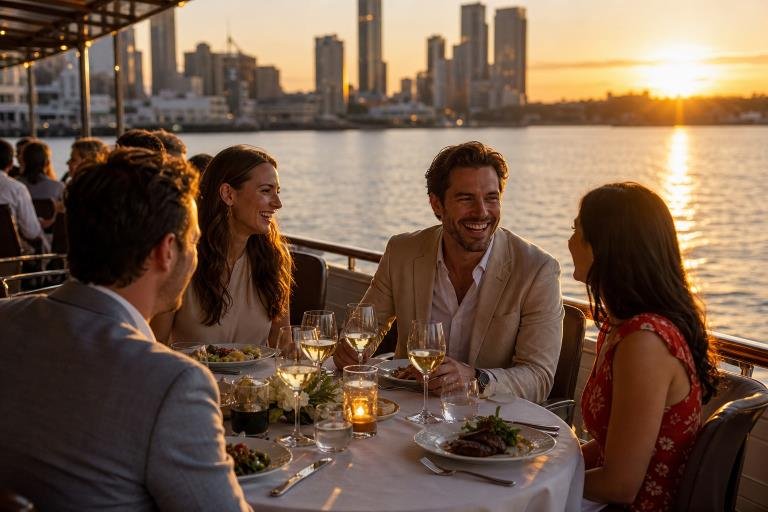
Dining on the water turns an ordinary meal into a shared experience. The changing shoreline, open sky, and gentle movement create a sense of occasion that is difficult to reproduce at a standard restaurant. Whether the plan is a birthday dinner, a family brunch, or an evening with someone special, a public dining cruise can provide both a meal and a setting worth remembering.
The best outings feel effortless because the important details were considered in advance. Selecting the right time, confirming food options, dressing for the conditions, and giving everyone a clear arrival plan allows the group to focus on conversation, views, and the people at the table.
Why Dining on the Water Feels Different
A waterfront meal naturally slows the pace. Instead of looking at the same walls for an hour, guests can watch the skyline, harbor, bridges, or shoreline shift throughout the meal. Fresh air, music, and changing light add energy without requiring an elaborate itinerary.
Formal is not always better. A sunset dinner may be ideal for a couple seeking quiet conversation, while a daytime brunch may better suit families who want a relaxed atmosphere and an earlier finish. For example, friends leaving work might choose a sunset outing over a crowded restaurant because it gives them time to reconnect while enjoying a view.
Match the Setting to the Occasion
Start with the reason for gathering, then choose the dining style that supports it.
- Date night:Prioritize scenic routes, softer lighting, and enough time to talk without feeling rushed.
- Birthday or anniversary:Ask about desserts, celebratory announcements, flowers, or seating for a larger party.
- Family gathering:Look for approachable food, flexible seating, restrooms nearby, and room for children to settle in.
- Business meal:Choose dependable timing and a sound level that still allows people to speak comfortably.
- Casual weekend plans:A shorter lunch or brunch can offer the same scenery with a lower time commitment.
Choose the Best Time of Day
Each departure time creates a different experience. Breakfast and brunch usually offer brighter views and a more casual energy. Lunch is practical for sightseeing and group celebrations. Sunset departures can feel more intimate, while evening dining often brings city lights and a more polished mood.
Consider the season as carefully as the clock. Summer afternoons may mean direct sun and higher temperatures, while spring and fall evenings can become chilly after sunset. If a nearby landmark is part of the day, planning ahead matters, especially when popular attractions require timed entry or advance tickets. Visitors combining a harbor meal with the Statue of Liberty and Ellis Island should build in extra time rather than trying to squeeze every activity into a narrow schedule.
Review the Menu and Dining Format
Views should not be the only factor in a reservation. Confirm whether the meal is a buffet, plated dinner, shared selection, or appetizer-focused service. Each format affects how long guests eat, how easily they can accommodate different tastes, and whether the experience feels formal or casual.
Questions to Ask Before Booking
- Are beverages, dessert, service fees, taxes, and gratuity included in the listed price?
- Are vegetarian, vegan, gluten-free, allergy-aware, and child-friendly choices available?
- How far in advance must dietary requests be submitted?
- Will the group share a table, receive assigned seats, or have a private table?
A beautiful setting cannot compensate for a menu that leaves several guests without suitable choices. Review the details before committing, particularly for celebrations where food is a major part of the plan.
Plan for Weather and Comfort
Conditions on the water can change quickly. A comfortable temperature downtown may feel cool and windy on an open deck, and midday sun can feel stronger when it reflects off the water. Check the air temperature, rain chances, wind, and any weather alerts before leaving.
For harbor outings, a marine forecast for local waters can provide useful details about wind and water conditions that may not appear in a basic city forecast. Bring a light jacket, sunglasses, sunscreen, and motion-sickness supplies if anyone in the group is sensitive to movement. It is also wise to review the operator’s policies for rain, delays, cancellations, and rescheduling.
Think About Seating and Accessibility
Ask about boarding surfaces, ramps, stairs, elevators, restrooms, and deck access before reserving. Accessibility can vary by vessel, dock, tide, and weather, so a quick call is often more useful than assumptions made from photos. Guests using mobility devices, traveling with infants, bringing medical equipment, or accompanied by service animals should confirm arrangements early.
Prepare for Families and Groups
Clear communication prevents last-minute stress. Confirm the final guest count, share the boarding time with everyone, and establish a meeting point near the departure area. For families, ask about highchairs, booster seats, children’s meals, and stroller storage. For mixed-age groups, consider seating older guests and young children where restroom access is easy.
Build a Smooth Arrival Plan
- Verify the exact departure address, not just the general neighborhood.
- Check parking, rideshare drop-off points, and the walking route to the dock.
- Allow time for traffic, security procedures, ticket retrieval, and restroom stops.
- Keep identification, reservation information, and tickets easy to access.
- Bring a portable charger for digital tickets, maps, and photos.
Arriving at the last minute can make a special occasion feel hurried before it begins. A calm arrival gives guests a chance to take in the waterfront, find their bearings, and board in a better frame of mind.
Capture the Experience Without Missing It
Take a few photos early, when the light is strongest and everyone is fresh, then put the phone away for much of the meal. Wide shots work well for skylines and open water, while a quick group photo preserves the occasion without turning it into a photo session. If mist or spray is possible, bring a protective case or a small lens cloth.
Final Planning Checklist
- Occasion, guest count, and budget confirmed
- Departure point, parking, and arrival time verified
- Menu, dietary needs, and total charges reviewed
- Weather, clothing, and comfort items are considered
- Accessibility and seating questions answered
- Cancellation terms and reservation details saved
A memorable meal on the water does not require lavish extras. The experience comes together when the setting suits the occasion, the practical details are handled early, and everyone has enough time to relax. With a thoughtful plan, guests can enjoy the scenery while keeping their attention where it belongs, on the people sharing the table.