Proper asphalt maintenance is vital for keeping paved surfaces safe, attractive, and long-lasting. Routine care helps avoid unexpected expenses from major repairs and ensures the safety of drivers and pedestrians alike. Whether dealing with a commercial parking lot or a residential driveway, using proven maintenance techniques will extend pavement life and preserve its value. For homeowners and property managers considering upgrades or addressing significant wear, exploring driveway replacement is also an essential part of a long-term asphalt care strategy.
Addressing issues early protects your investment and can avoid accidents and liabilities caused by surface hazards. Effective maintenance not only prevents the development of serious problems, such as potholes or deep cracks, but also improves a property’s overall curb appeal. Staying proactive can decrease downtime and disruptions caused by reactive, emergency repairs, while also supporting long-term sustainability goals.
Regular Inspections
Developing a regular inspection schedule is the foundation of effective asphalt maintenance. Frequent assessments help detect minor problems before they escalate. Walk the entire surface, looking for changes in color, texture, or the appearance of small cracks. Addressing surface irregularities at this stage is significantly more cost-effective compared to repairing advanced damage later. According to the Federal Highway Administration, regular pavement assessments are a critical factor in maximizing the durability and safety of roadways and driveways.
Sealcoating
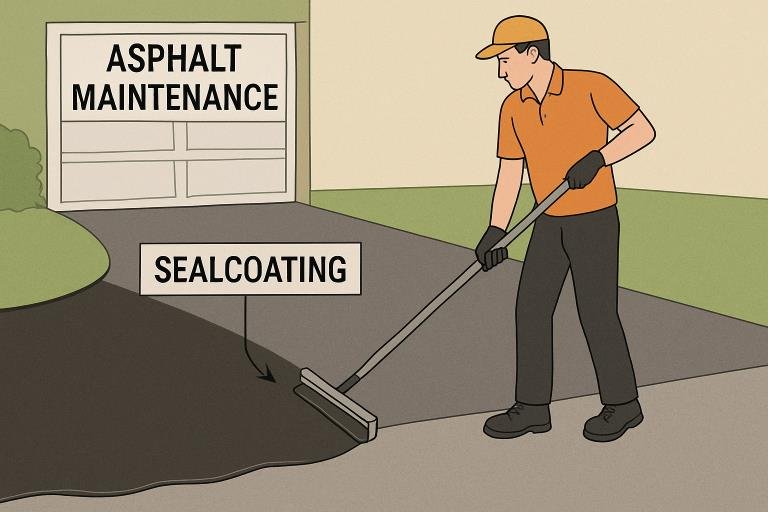
Sealcoating is a protective barrier applied to asphalt that shields it from the elements. This process helps protect the pavement from UV rays, moisture, and spilled chemicals that can weaken it. Not only does sealcoating restore a fresh black finish to faded asphalt, but it also slows oxidation and surface erosion. For best results, professionals recommend applying a sealcoat every 2 to 3 years, depending on traffic levels and climate. Sealcoating extends pavement life, making it a cost-effective maintenance option for both residential and commercial properties.
Crack Filling
As asphalt ages, cracks are almost inevitable. The most effective way to stop water from infiltrating and undermining the base layers is prompt crack filling. This maintenance step involves cleaning the cracks and filling them with specialized materials that bond and flex with the pavement. Water infiltration can lead to severe damage, including pothole formation and sub-base failure, so timely crack sealing is essential to protect the structural integrity of the asphalt and save on future repair expenses.
Pothole Repair
Potholes pose significant safety risks to pedestrians and vehicles. Immediate attention to potholes limits their spread and prevents further surface deterioration. Using the proper techniques and quality patching materials leads to longer-lasting repairs. Cold patch and hot-mix asphalt are common solutions, and selecting the right method depends on the size and depth of the pothole, as well as ambient temperatures. Local governments and organizations such as the American Public Works Association recommend prompt pothole repairs to improve safety and reduce liability.
Infrared Asphalt Repair
Infrared repair is a modern, efficient solution for asphalt maintenance. This technique uses infrared heat to soften the existing asphalt, allowing for precise repairs without extensive removal or waste. The heated area can be seamlessly blended with new material, resulting in a strong, smooth, and durable finish. This method is especially valuable for fixing potholes, cracks, and utility cuts. Municipalities across the country have found that infrared repairs not only save costs but also reduce the environmental impact of pavement maintenance.
Sustainable Practices
Incorporating sustainability into pavement management contributes to long-term resilience and cost efficiency. Many asphalt contractors are turning to eco-friendly materials, such as recycled asphalt pavement (RAP) and bio-based binders derived from algae. Utilizing RAP reduces the demand for virgin materials, diverts waste from landfills, and cuts greenhouse gas emissions. According to a report from the Asphalt Pavement Alliance, these innovative approaches can improve pavement durability and decrease environmental impact.
Advanced Technologies
Emerging digital tools are making asphalt care more precise and predictive. Technologies like digital twins and artificial intelligence-powered monitoring systems provide real-time data and analytical insights into pavement health. By enabling more accurate forecasts of deterioration and maintenance needs, these tools help property owners efficiently prioritize repairs. A recent study demonstrated that predictive models using digital twin technology and graph neural networks support more informed maintenance planning and optimized resource allocation.
Final Thoughts
A smart approach to asphalt maintenance includes proven solutions such as regular inspections, sealcoating, timely crack repair, efficient pothole repairs, and the adoption of cutting-edge techniques. Embracing sustainable practices and state-of-the-art technology further enhances pavement lifespan and performance. Keeping up with industry advances and implementing a comprehensive maintenance plan will protect your investment, enhance safety, and reduce costs over time.