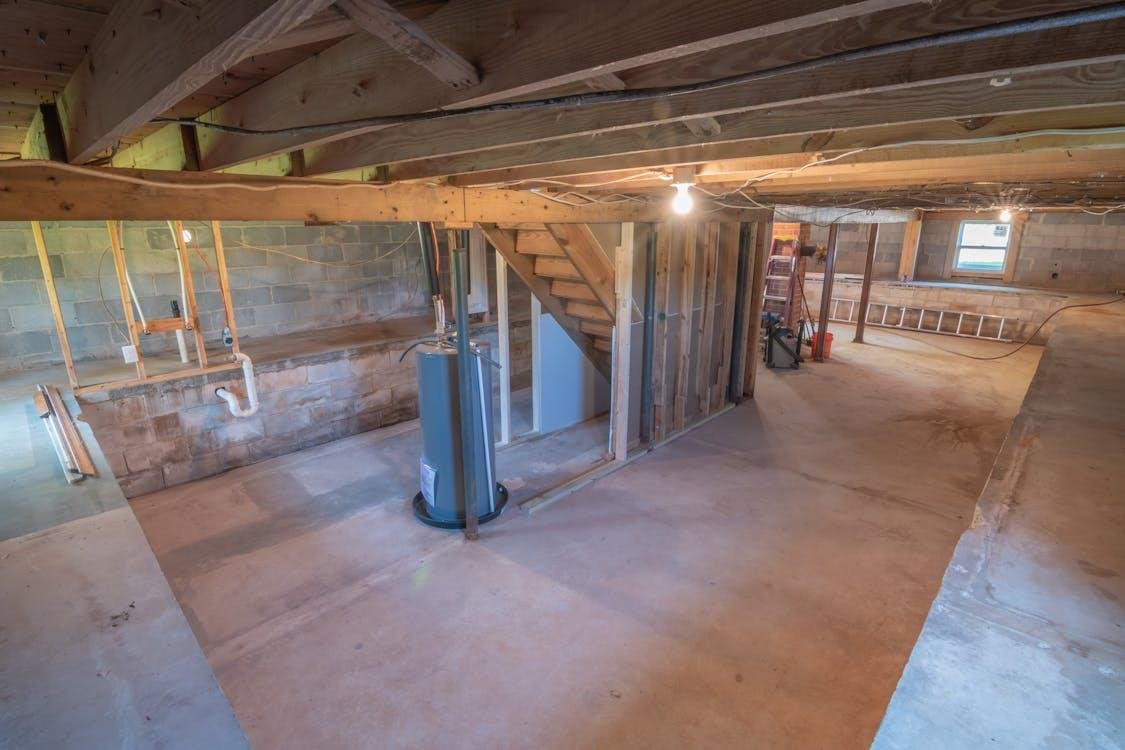
A basement often hides problems until they become expensive to fix. Moisture can build up slowly, leaving behind subtle warning signs that many homeowners overlook. Over time, that dampness can weaken structural components, damage finishes, and create an unhealthy indoor environment. What starts as a small patch of discoloration can turn into widespread deterioration if ignored.
In many homes, especially in regions that experience seasonal rain or fluctuating humidity, basements are particularly vulnerable to water intrusion. Poor drainage, aging foundations, and shifting soil all contribute to moisture buildup. Addressing these risks early is essential. Consistent moisture control not only protects the foundation but also helps maintain air quality throughout the entire home. A dry basement supports a stable, healthy living space above it.
Visible Moisture Clues: Efflorescence and Damp Surfaces
One of the earliest and most visible signs of water intrusion is efflorescence. This chalky white residue forms on concrete or masonry surfaces when water evaporates, leaving mineral deposits behind. It may look harmless at first, but it signals that moisture is actively moving through your foundation walls. Alongside this, you may notice damp patches, darkened areas, or uneven discoloration that never fully dries.
These surface-level clues often point to deeper issues that are not immediately visible. Moisture can travel through porous materials and accumulate behind walls or beneath flooring. Pinpointing the exact source often requires professional evaluation rather than guesswork. For example, companies like Intensa Dry focus on water damage restoration and structural drying, using specialized equipment to detect hidden moisture and address it at its source. This type of targeted approach helps prevent minor warning signs from developing into more serious structural problems.
Musty Odors and Early Signs of Mold Growth
A persistent musty smell in the basement is more than an inconvenience. It usually indicates excess moisture and the early stages of mold or mildew growth. These odors often develop before visible mold appears, making them an important early warning sign. Even if surfaces appear clean, spores can grow in hidden areas, such as behind drywall, under carpets, or within insulation.
Ignoring these odors can lead to larger problems over time. Mold thrives in damp, enclosed environments and can spread quickly once established. This not only damages building materials but can also affect indoor air quality. Homeowners may notice increased allergy symptoms or respiratory discomfort. Addressing the source of moisture early helps prevent mold from taking hold and protects both the structure and the health of those living in the home.
Foundation Cracks: Hairline vs. Structural Concerns
Not all foundation cracks are created equal. Hairline cracks often result from natural settling and may not pose an immediate threat. However, when cracks begin to widen, shift, or allow water to seep through, they can indicate more serious structural stress. Water pressure from saturated soil can force its way into these openings, gradually worsening them.
Monitoring these changes is essential for preventing long-term damage. Small cracks can expand over time, especially when exposed to repeated moisture cycles. If you notice water infiltration, uneven edges, or growing gaps, it is time to act. Professional evaluation can determine whether the issue is cosmetic or structural, allowing homeowners to take the right steps before the foundation’s integrity is compromised.
Peeling Paint, Bubbling Walls, and Surface Damage
Peeling paint or bubbling finishes in a basement often point to trapped moisture behind the surface. When water seeps into walls, it breaks the bond between paint and the underlying material. You may notice flaking, blistering, or uneven textures that seem to return even after repainting.
These issues are rarely just cosmetic. Moisture behind walls can damage drywall, wood framing, and insulation over time. If left unaddressed, the problem spreads and becomes more expensive to repair. Identifying the moisture source early helps prevent deeper structural concerns and repeated surface damage.
Poor Exterior Drainage and Gutter Issues
Water problems in the basement often begin outside the home. When gutters are clogged or downspouts fail to direct water away properly, rainwater collects near the foundation. Over time, this increases pressure on basement walls, allowing water to seep in.
Grading also plays a key role. If the ground slopes toward the house instead of away from it, water naturally moves toward the foundation. Regular gutter maintenance and proper landscaping adjustments can significantly reduce the risk of water intrusion and protect the basement from ongoing moisture issues.
Structural Red Flags: Bowing Walls and Floor Heaving
Bowing walls are a serious warning sign that should never be ignored. When the soil around the foundation becomes saturated, it exerts pressure on the basement walls. Over time, this pressure can cause walls to curve inward, signaling structural stress.
Floor heaving is another concern linked to excess moisture beneath the foundation. As water builds up, it can cause the basement floor to lift or crack unevenly. Both issues require prompt professional evaluation, as they indicate that the structure is under strain and may worsen without intervention.
Emergency Repairs vs. Long-Term Waterproofing Solutions
When water enters a basement, immediate action is necessary to remove moisture and prevent further damage. Emergency services focus on drying the space, removing standing water, and stabilizing affected materials. These steps help limit short-term damage and reduce the risk of mold growth.
However, emergency repairs alone do not solve the root problem. Long-term waterproofing solutions address the source of moisture by sealing, improving drainage, and reinforcing structures. Combining both approaches ensures that the basement stays dry and protected over time.
A Dry Basement Means a Stronger, Healthier Home
Recognizing the early signs of water damage can save homeowners from costly repairs and long-term structural issues. From surface changes like peeling paint to more serious concerns like bowing walls, each warning sign provides valuable insight into the condition of your basement.
Taking action early helps maintain a stable foundation and improves indoor air quality throughout the home. A well-maintained, dry basement supports the overall health of the property and provides lasting peace of mind for homeowners who want to protect their investment.