Many homeowners focus on temperature when it comes to comfort, but indoor air quality plays an equally important role. If the air inside your home is polluted with dust, allergens, or excess humidity, it can affect your health and overall well-being. Unfortunately, poor indoor air quality isn’t always obvious. Recognizing the warning signs early can help you take action. The experts at Grove help homeowners identify and resolve indoor air quality issues for a healthier living environment.
Increased Allergy or Respiratory Symptoms
One of the most common signs of poor indoor air quality is worsening allergy symptoms. If you or your family members experience frequent sneezing, coughing, itchy eyes, congestion, or headaches while inside your home, airborne pollutants may be the cause.
Dust, pet dander, mold spores, and pollen can circulate through your HVAC system and linger in the air. If symptoms improve when you leave the house but return shortly after coming home, indoor air may be contributing to the problem.
Excessive Dust Buildup
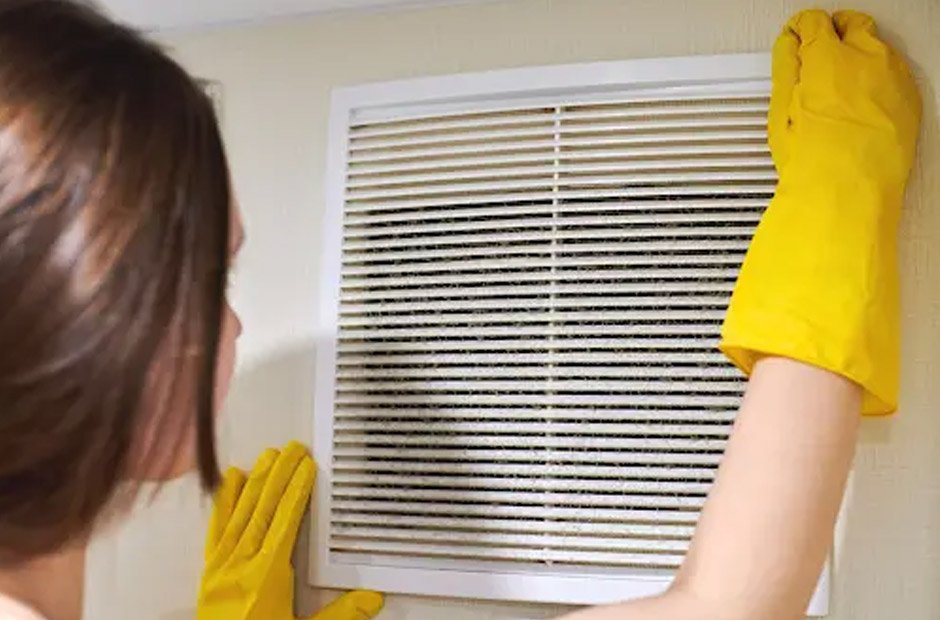
If you find yourself constantly dusting surfaces only for them to become coated again within days, your home may have airflow or filtration issues. Dirty air filters, leaky ductwork, or an aging HVAC system can allow dust and debris to circulate freely.
Routine maintenance and proper filtration, services offered by Grove, can significantly reduce dust buildup and improve overall air quality.
Musty or Persistent Odors
Lingering odors—especially musty smells—can signal mold or mildew growth. Excess humidity in Maryland homes creates the perfect environment for mold to develop in ductwork, basements, or around HVAC components.
If your home smells stale or damp despite cleaning efforts, it may be time for a professional indoor air quality assessment.
Uneven Humidity Levels
Humidity has a major impact on comfort and air quality. Air that’s too humid can feel heavy and promote mold growth, while air that’s too dry can cause irritated skin, dry sinuses, and static electricity.
If you notice condensation on windows, warped wood, or dry, cracked skin during winter months, your home may have imbalanced humidity levels. Whole-home humidifiers or dehumidifiers installed by professionals like Grove can help regulate moisture effectively.
Frequent Headaches or Fatigue
Poor ventilation and indoor air pollutants can lead to headaches, fatigue, or difficulty concentrating. Carbon monoxide, volatile organic compounds (VOCs), and other contaminants may not always be visible or easily detected without professional testing.
If your family frequently feels unwell indoors without a clear explanation, indoor air quality should be evaluated.
Poor Airflow from Vents
Weak airflow or inconsistent circulation can cause stagnant air, allowing pollutants to accumulate. Blocked vents, clogged filters, or duct issues may be restricting proper ventilation.
Improving airflow through system maintenance or duct sealing can significantly enhance indoor air quality.
Taking Action for Healthier Air
Ignoring indoor air quality issues can lead to long-term health concerns and reduced comfort. Solutions may include upgraded filtration systems, air purifiers, humidity control, or duct cleaning.
If you suspect your home has poor indoor air quality, the experienced team at Grove can assess your HVAC system and recommend effective solutions. Cleaner air not only improves comfort but also supports the health and well-being of everyone in your home.