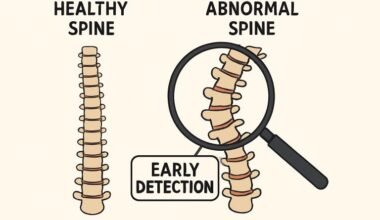
Back and neck comfort does not always require a long workout, expensive equipment, or a perfectly planned routine. Small changes such as standing up regularly, walking briefly, adjusting a screen, and moving with more control can make everyday activities feel easier. If discomfort is affecting work, sleep, or normal movement, speaking with a Pembroke Pines chiropractor may also help you determine which next steps are right for your situation.
The goal is not to hold one “perfect” posture all day or push through pain. It is to provide the body with more movement variety, build useful strength gradually, and respond early when symptoms keep recurring. These habits can support people who sit at desks, drive often, play recreational sports, lift at work, or simply feel stiff after a busy day.
Why Small Movements Matter
Long periods in any one position can leave the neck, shoulders, back, and hips feeling tired or tight. A short walk to refill water, a few relaxed shoulder rolls, or standing during a phone call may be more realistic than waiting for an hour of free time. Consistency matters more than intensity when building a daily movement habit.
Common Causes Of Discomfort
Back and neck pain rarely has one universal cause. Common contributors include prolonged desk work, driving, frequent phone use, sudden increases in exercise, repeated bending or lifting, poor sleep, stress, and old injuries. Weakness or reduced endurance in the hips, legs, core, and upper back can also make normal tasks feel more demanding.
Sometimes discomfort comes from cumulative strain rather than one dramatic event. Guidance on changing positions during prolonged sitting reinforces a practical point: the body generally benefits from breaking up long, sedentary stretches.
Build Movement Breaks And Better Posture Into The Day
Use simple prompts instead of relying on motivation alone. Finish an email, complete a task, or end a call, then take a minute to move. Aim to change position every 30 to 60 minutes when practical.
- Stand and take several easy steps.
- Roll the shoulders slowly forward and backward.
- Take a few calm breaths while sitting or standing tall.
- Gently turn the head side to side without forcing the range.
- Switch between sitting and standing when your environment allows.
Posture should feel supported, not stiff. Keep the head generally balanced over the shoulders, keep the ribs relaxed, and support both feet while sitting. Slouching briefly is not inherently harmful, but remaining in a fatigued position for hours can increase the likelihood of discomfort. The most useful posture is often the next most comfortable posture.
Make A Desk Or Home Workspace More Comfortable
A few workspace adjustments can reduce unnecessary reaching and awkward positioning. Place the screen at eye level, keep the keyboard and mouse close, and let the elbows rest at your sides. Use a chair with lower-back support, or add a small cushion if it improves comfort. Keep feet on the floor or a footrest instead of letting them dangle.
For example, a laptop used on a sofa may pull the neck forward and round the shoulders. Raising the screen and using an external keyboard can create a noticeably better setup without replacing every piece of furniture. Adjust the workspace to fit your body rather than forcing your body to fit the workspace.
Try Simple, Low-Risk Movement And Strength Patterns
Many healthy adults can begin with comfortable, controlled movements. Start below your limit and increase gradually. Stop and seek individualized advice if a movement causes sharp pain, symptoms that spread, or discomfort that lingers and worsens afterward.
- Walking:Start with five to 10 minutes at an easy pace.
- Chair sit-to-stands:Stand up and sit down slowly to build leg and hip strength.
- Shoulder blade squeezes:Gently draw the shoulder blades back without shrugging.
- Heel raises:Hold a stable surface and lift the heels with control.
- Gentle hip mobility:Use small, pain-free ranges rather than forcing deep stretches.
Exercise should match the person and the condition. For example, people dealing with disc-related symptoms may need a more specific plan, since movement choices can depend on symptoms and tolerance. Generic routines are not a substitute for an assessment after a significant injury or with persistent pain.
Lift, Carry, And Play Sports With More Control
Whether you are lifting groceries, a laundry basket, a child, or sports equipment, move close to the load first. Set the feet in a stable stance, bend through the hips and knees when possible, keep the object close to the body, and rise smoothly. Turn with the feet instead of twisting under load. Taking two trips with lighter bags is often a smart tradeoff.
For sports and active hobbies, warm up with easy movement and increase mileage, weight, speed, or playing time in small steps. A recreational athlete who suddenly adds several games each week may develop hip or lower-back soreness simply because the workload rose faster than the body could adapt. Rest days and attention to form are part of training, not signs of failure.
Support Recovery And Recognize Warning Signs
Recovery habits can support comfort between active days. Keep a regular sleep schedule, experiment with a sleeping position that feels less irritating, drink fluids throughout the day, and plan lighter activity after unusually demanding work or exercise. Gentle walking, slow breathing, heat, or cold may feel helpful for some people, but none of these replace medical evaluation when symptoms are serious.
Seek urgent medical care for new or worsening weakness in an arm or leg, loss of bladder or bowel control, numbness around the groin or inner thighs, or severe pain after a fall, crash, or other trauma. Arrange a professional evaluation for persistent tingling, pain traveling down an arm or leg, fever, or unexplained weight loss with back pain, or symptoms that steadily worsen despite basic self-care.
Follow A Simple Two-Week Movement Plan
Days 1 To 3: Notice Patterns
- Track when stiffness appears and how long you have been still.
- Take one brief movement break each hour.
Days 4 To 7: Add Gentle Activity
- Walk five to 10 minutes on most days.
- Adjust your chair, screen, or phone setup.
Days 8 To 10: Build Basic Strength
- Add a few controlled sit-to-stands and heel raises.
- Practice gentle upper-back and hip movements.
Days 11 To 14: Review And Adjust
- Keep habits that improve comfort.
- Reduce movements that cause sharp or lasting pain.
- Increase activity only when the current level feels manageable.
Frequently Asked Questions
How Often Should Someone Move During A Workday?
There is no single schedule that works for everyone, but brief position changes every 30 to 60 minutes are a practical starting point.
Is Good Posture Enough To Prevent Back Pain?
No. Movement variety, strength, sleep, stress, work demands, previous injuries, and recovery all influence how the back and neck feel.
Should Exercise Stop When The Back Feels Sore?
Mild soreness may settle with easier movement, but sharp pain, spreading symptoms, weakness, or worsening discomfort deserve more caution and may require professional guidance.
Conclusion
A stronger, more comfortable back and neck often start with repeatable choices: move more often, set up work areas thoughtfully, build strength gradually, and lift with control. Keep the plan realistic, respect warning signs, and seek qualified care when pain does not improve or interferes with daily life.