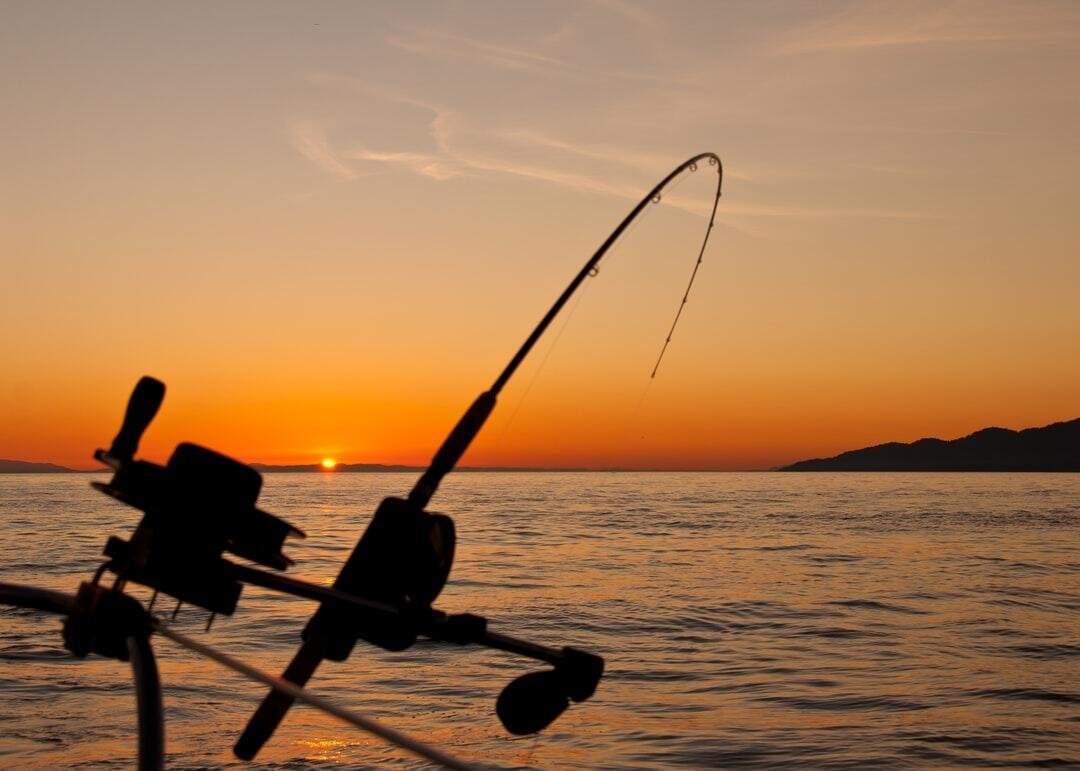
Maritime navigation blends skill, awareness, and careful timing. It guides how sailors move safely across open water. Tools and natural signs work together to shape each journey.
Experience builds confidence with every trip. Understanding these elements leads to better decisions at sea. Strong knowledge turns simple movement into controlled travel.
Read on to explore how maritime navigation connects with both technique and rhythm.
Understanding Core Navigation Tools
Navigation tools form the base of every successful journey at sea. A compass helps sailors maintain a steady direction over long distances. Charts provide a visual guide to coastlines, depths, and hazards. GPS systems add precision and real-time positioning.
Each tool supports decision-making in different conditions. Mariners must learn how to use them together, not in isolation. Practice builds confidence and reduces errors during travel. Mastery comes from repetition and attention to detail.
Reading the Movement of Water
Water movement affects speed, direction, and safety. Currents can push a vessel off course if ignored. Tides change water levels and influence access to certain areas. Observing these patterns helps in planning routes.
Small changes in water flow can signal larger shifts ahead. Skilled navigators watch the surface and the horizon carefully. Experience helps them predict movement with better accuracy. This awareness creates smoother and safer journeys.
Interpreting Weather Patterns
Weather plays a strong role in maritime navigation. Wind direction and speed influence how a vessel moves. Cloud formations can signal incoming changes in conditions. Sudden shifts require quick thinking and adjustments.
Mariners study forecasts but also trust what they observe. Calm seas can change quickly under certain conditions. Preparation helps reduce risk during uncertain weather. Staying alert ensures better control over each situation.
Timing and Route Planning
Planning a route is not just about distance. It involves timing, weather, and water conditions. A well-timed journey avoids strong currents and rough seas. Navigators calculate speed and fuel use carefully.
Adjustments are made as conditions change along the way. Shortcuts are not always the safest option. Patience often leads to better outcomes at sea. Good planning supports both safety and efficiency.
Practical Experience on the Water
Hands-on experience builds real understanding. Time spent at sea teaches lessons that books cannot fully explain. Each trip adds new knowledge and awareness. Activities like fishing charters help people see navigation in action.
Observing experienced crews offers valuable insight into daily decisions. Small tasks can reveal how timing and precision work together. Repetition strengthens both skill and confidence. Practical learning connects theory with real-world movement.
Balancing Technology and Instinct
Technology has improved navigation in many ways. Digital tools provide speed and accuracy in tracking position. However, overreliance can create gaps in awareness. Skilled mariners balance tools with personal judgment.
Instinct develops through experience and observation. When systems fail, knowledge becomes the main guide. Trusting both data and intuition creates stronger decisions. This balance defines true technical mastery.
Learn About Technical Mastery and the Rhythms of Maritime Navigation
Maritime navigation grows stronger with practice and observation. It depends on both reliable tools and human judgment. Each journey builds deeper awareness of the sea.
Skill develops through patience and steady learning. Balance between knowledge and instinct is key. Over time, navigation becomes more natural and precise. True mastery comes from staying alert and adapting to change.
For more topics, check our blog. We do have more!