Key Takeaways
- 24-hour veterinary hospitals deliver vital emergency coverage for pets outside of regular clinic hours.
- They supply specialized services and advanced medical interventions that are not available at most local clinics.
- These facilities use technology and skilled staff to ensure rapid, quality care for urgent pet health issues.
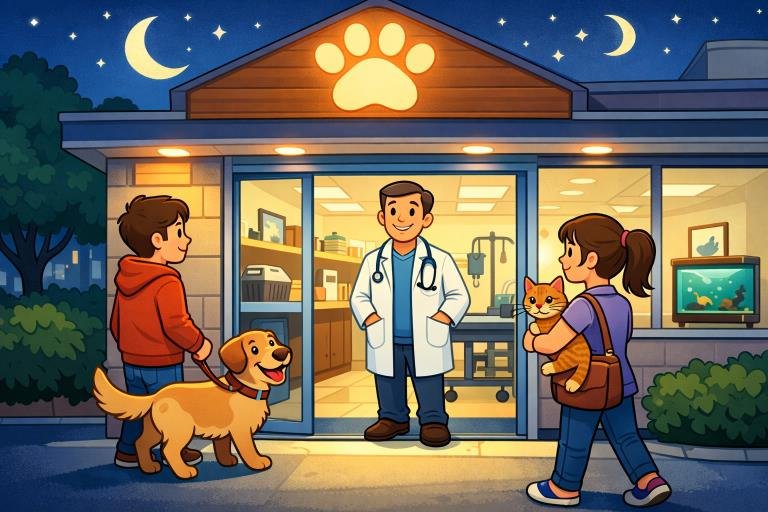
Pet owners know that emergencies rarely follow a predictable nine-to-five schedule. Animals can fall ill, suffer injuries, or experience sudden health crises at any time of day or night. In response, the field of pet emergency care has evolved, as 24-hour veterinary hospitals have become a crucial resource for families seeking immediate, professional assistance. For those in need of comprehensive care, a Miami veterinarian can now offer around-the-clock attention that bridges the gap between standard clinic hours and the unpredictable reality of pet emergencies.
These hospitals do far more than just extend hours; they provide state-of-the-art diagnostics, skilled veterinary professionals, and on-site emergency procedures at all hours. As communities increasingly turn to these facilities for peace of mind, the role of 24-hour veterinary hospitals only grows more prominent. This shift addresses a critical need, guaranteeing that beloved pets are never without care, no matter when trouble strikes.
Rise of 24-Hour Veterinary Hospitals
Across the United States, 24-hour veterinary hospitals have multiplied rapidly in response to growing demand for immediate animal care. Urban and suburban areas increasingly host these facilities, ensuring access for pet owners day or night. Companies like VEG ER for Pets have expanded their reach, opening emergency centers in diverse locations such as Eden Prairie, Minnesota, and Folsom, California. These developments reflect a broader shift in how communities prioritize animal welfare, as families expect the same level of emergency care for pets as they do for people.
Not only have private practices expanded hours, but large veterinary healthcare companies have invested heavily in building, renovating, and equipping hospitals capable of handling emergencies around the clock. This evolution is a response to changing consumer expectations and increasing pet ownership in the United States, as more Americans consider pets part of the family.
Services Offered
24-hour veterinary hospitals specialize in handling complex and unexpected emergencies. Services include trauma care, emergency surgeries, advanced diagnostic imaging (such as digital X-rays and ultrasounds), and critical care monitoring. Many are equipped to handle poisonings, acute illnesses, bite wounds, and severe injuries at any hour. By providing such a wide array of services, these hospitals help stabilize and treat animals when regular clinics are closed or not equipped to handle serious emergencies.
Additionally, some hospitals have designed their treatment areas with open floor plans that allow pet owners to stay with their animals during procedures. This practice, which has been embraced at several new facilities, can reduce stress for both pets and owners during traumatic experiences. In some hospitals, overnight stays with pets are even allowed, recognizing the important bond between pets and their human companions.
Impact on Pet Healthcare
The continuous availability of professional veterinary care improves outcomes for pets facing critical health crises. Time-sensitive conditions such as bloat, seizures, toxin ingestion, or traumatic injuries require immediate intervention, which 24-hour hospitals are equipped to provide. In areas lacking emergency options, delays in care have historically led to worse outcomes or even preventable fatalities in pets. Now, with immediate access to skilled clinicians and modern equipment, many animals have a far better chance of recovery.
This model also alleviates strain on daytime veterinary clinics and general practitioners, who may lack the specialized training or equipment necessary for acute and after-hours emergencies. As a result, standard clinics can focus on preventative care and routine checks, while emergency hospitals ensure urgent cases receive prompt attention. This division of labor leads to a more efficient and effective overall system for pet healthcare.
Challenges and Solutions
Despite the life-saving benefits of 24-hour veterinary hospitals, these facilities are not without challenges. Staffing shortages, burnout among veterinary professionals, and the high operational costs associated with keeping a hospital running at all hours have proven significant hurdles. For instance, some regions have seen the closure of their only emergency hospitals due to these pressures, leading to considerable concern among local pet owners.
To combat these issues, some hospitals have imposed rotating shifts, increased salaries and benefits, and invested in technology to streamline operations. Telemedicine is starting to play a role in triage and follow-up, helping hospitals allocate resources more effectively and reducing unnecessary visits. While not a cure-all, such innovations hold promise in keeping emergency veterinary care sustainable and accessible for more communities nationwide.
Future of Emergency Pet Care
The outlook for emergency pet care points toward further integration of technology and expansion of services. As more pet owners expect immediate, high-quality medical attention for their companions, hospitals will likely continue to expand hours, hire additional specialists, and adopt new diagnostic tools. Telehealth consultations, mobile care units, and digital record sharing are already enhancing coordination and efficiency in the field, promising even faster and more personalized care for pets.
Policy efforts aimed at addressing the veterinary workforce shortage may also help ensure that 24-hour emergency care becomes a standard, rather than a luxury. As the industry adapts, the trend is clear: the next decade will see continued innovation and growing expectations that every pet, regardless of the hour, has access to expert care when the worst happens.