Over 1.5 billion CCTV cameras have been placed around the world in public, business, and residential areas because of the high demand for video surveillance.
In the Philippines and other developing markets, smart security cameras are increasingly adopted by homeowners and businesses alike to protect property, monitor activity, and ensure safety. With advancements in camera technology, there are now various types of CCTV cameras designed for different environments and security needs, each offering unique features and benefits.
If you know about the different kinds of CCTV security cameras, you can choose the best one for your needs, whether you want to keep an eye on things inside or outside, protect your property, or do some other type of surveillance.
Understanding CCTV Security Cameras
CCTV (Closed-Circuit Television) cameras record and watch pictures and sounds. The electronics in broadcast cameras are different from those in CCTV cameras. CCTV cameras always send their video through a closed system to monitors or digital recorders. This allows for real-time surveillance and the review of past events.
These days’ CCTV systems have a lot of features, such as the highest resolution possible, motion detection, cloud storage, mobile device access, and the ability to watch from afar using apps, to name a few.
Types of CCTV Cameras
CCTV cameras vary in design, function, and installation method, allowing users to choose devices based on their security needs:
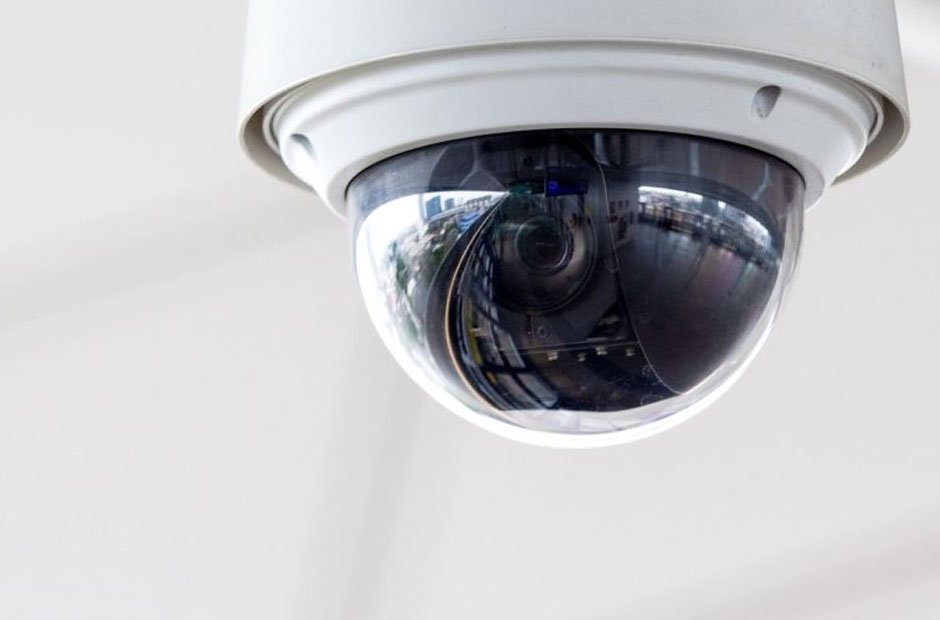
- Dome Cameras: Dome-shaped cameras, which have been used to describe them, are often mounted on ceilings or walls and can record video of a whole area. They don’t bother anyone, can’t be broken into, and are great for watching places inside and outside.
- Bullet Cameras: A bullet camera has a cylindrical shape that makes it easily seen and effective in preventing the entry of intruders. It is a perfect choice for observing over long distances and mounting it on walls or poles for monitoring the entrances, driveways, or security lines are the most common practice.
- PTZ Cameras (Pan-Tilt-Zoom): The cameras can pan left and right, tilt up and down, and zoom in and out, centering on a particular spot. PTZ cams are usually installed in vast and open areas, car parks, and commercial buildings that need to be watched constantly.
- IP Cameras: Over a network, Internet Protocol cameras send video instead of coaxial cables. A major video surveillance system nowadays is made of IP cameras with features like high-quality images, the ability to access the camera remotely, and other advanced functions such as motion alerts, facial recognition, and integration with cloud storage.
- Thermal Cameras: The thermal imaging cameras identify the heat signatures that are emitted by the objects, and thus, they can be very useful for night surveillance or in places with low visibility. They are frequently employed for security of the perimeter, industrial locations, and very important infrastructures.
Why Choosing the Right Camera Matters
The decision of the right CCTV camera type to use ensures that not only will your safety system be fully functional but also highly effective and money-saving. The choice depends on various considerations like the dimensions of the site to be watched, the existing lighting, the desired resolution, and whether or not the system needs to be accessed remotely or is compatible with smart home gadgets.
As an example, outdoor places with inadequate lighting might get an advantage from infrared dome or bullet cameras, while a lobby of a commercial building might need PTZ cameras with monitoring capabilities. The use of the correct type increases the area of coverage, cuts down on blind spots, and thereby maximizes the return on investment.
Recent Trends in CCTV Deployment
The use of AI technology in smart CCTV cameras has become a clear trend in 2025, which makes the future of motion tracking, facial recognition, automatic notifications, etc., very bright.
The adoption of IP-based and cloud-connected cameras in the Philippines is an indication of the global trend toward security systems that are scalable and can be managed remotely.
According to research, the effectiveness of current surveillance technology is highlighted by the fact that properties with integrated smart CCTV systems report 60% fewer theft or vandalism incidents.
Best Practices for CCTV Installation
Cameras have to be mounted in a manner that they will be able to photograph entry points, high-traffic areas, and spots that are most likely to be robbed so that the best performance will be obtained.
Outdoor cameras need to be weatherproofed and well-illuminated while protecting the IP camera network with sound configurations.
Performing regular maintenance as very simple as cleaning the lenses, checking the wiring, and updating firmware, which most definitely is excellent to make the system work correctly repairing to forthcoming wear or damage to last a long time.
Conclusion
In present-day security systems, CCTV cameras play an indispensable role in both residential and commercial sectors. When people know the various types—dome, bullet, PTZ, IP, and thermal—they can easily pick the suitable security devices according to their requirements, be it for home or business.
With the proper selection of a camera and strict adherence to installation and maintenance routines, protection can be elevated, activities monitored effectively and in a world where security is a greater concern, peace of mind gained.