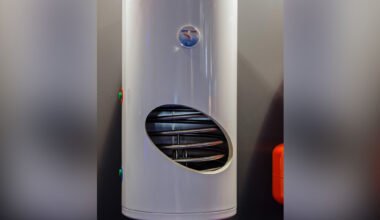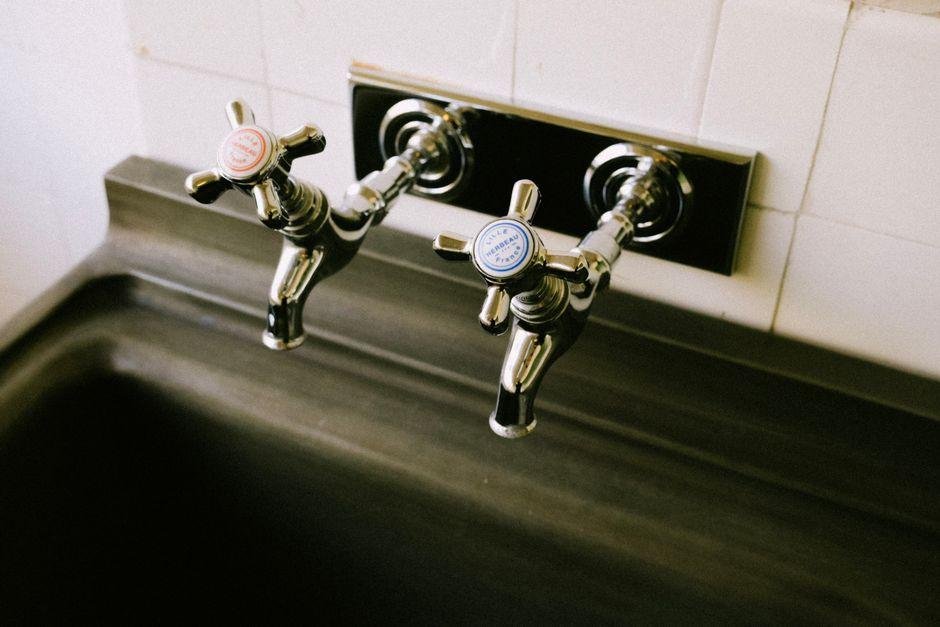
Cloudy glasses, stubborn bathroom residue, and appliances that need frequent cleaning can seem like unrelated annoyances. Often, they share a source: minerals dissolved in household water. Hard water is a maintenance concern rather than a drinking-water emergency, but its effects can accumulate through daily routines. Understanding what those minerals do, how to measure them, and which treatments genuinely address them helps homeowners make practical improvements without paying for solutions they do not need.
Understand What Makes Water Hard
Water becomes hard when it contains elevated concentrations of dissolved calcium and magnesium. These minerals enter water naturally as it passes through rock and soil. They are not inherently harmful at typical drinking-water levels, but they can react with soap and leave deposits when water evaporates or is heated.
You might notice whitish marks around faucets, a film on glasses, or a crusty layer inside a kettle. Those clues are suggestive, not a laboratory diagnosis. Similar appearances can have other causes, so avoid choosing equipment based on stains alone.
The useful question is not whether the water feels unusual. It is how much hardness is present and whether it creates enough inconvenience to justify treatment.
Understand How Softening Actually Works
Traditional salt-based softeners use ion exchange. Water passes through a resin that exchanges calcium and magnesium ions for sodium or potassium ions, reducing the hardness responsible for much of the scale and soap residue. Periodic regeneration refreshes the resin using a salt solution.
For homeowners considering water softener installation, the first step should be confirming the water’s hardness and reviewing household demand. Equipment should be sized and positioned for the existing plumbing rather than selected only by advertised capacity. A qualified installer can assess bypass arrangements, drainage needs, and which outlets actually require softened water.
Softening is not the same as removing all contaminants. If the concern is drinking-water safety, separate testing and treatment decisions may be necessary.
Recognize the Wear on Fixtures and Appliances
Scale develops when dissolved minerals form solid deposits, particularly on heated surfaces. Water heaters, coffee makers, and certain plumbing components can accumulate buildup over time. Heavy deposits may reduce heat transfer or restrict flow in affected areas, though the severity varies with temperature, water chemistry, and usage.
The explanation of water hardness describes how calcium and magnesium contribute to soap scum, cloudy dishes, and scale in water-heating equipment. These effects help explain why cleaning the same fixture repeatedly sometimes feels pointless.
Before blaming every appliance problem on hardness, have persistent leaks, pressure changes, or heating faults evaluated separately. Mineral buildup is one possibility, not the explanation for every malfunction.
Test the Water Before Buying Equipment
A simple hardness test provides a better starting point than guessing from spotted dishes. Results may be reported in milligrams per liter as calcium carbonate or grains per gallon. Compare the result with the proposed equipment’s operating range and the amount of water your household uses.
If the property has a private well, other water-quality concerns deserve their own testing. The guidance for testing well water recommends routine checks for bacteria, nitrates, total dissolved solids, and pH, with additional tests based on circumstances. A hardness result alone cannot establish whether well water is safe to drink.
Document the numbers before requesting estimates. That makes it easier to compare recommendations and question unnecessary extras.
Compare Systems Without Confusing Their Claims
Not every product marketed for scale control actually softens water. Ion-exchange systems remove hardness ions through exchange, while many salt-free conditioners aim to reduce scale formation without removing the minerals themselves. Their effectiveness can depend on the application and conditions.
Review independent certifications, regeneration settings, water consumption, salt use, and service requirements. Ask whether the quoted system includes installation, testing, and instruction on routine operation. Consider whether the drinking-water tap should bypass a sodium-based softener, particularly if someone must limit sodium intake.
A sensible purchase solves a measured problem. A more expensive unit is not necessarily more suitable, and broad claims about whole-home purification should be treated cautiously.
Plan Installation Around the Existing Plumbing
A softener usually needs access to the incoming supply, a suitable drain, space for servicing, and sometimes electrical power. Installation should preserve safe pressure, allow the system to be bypassed, and meet applicable plumbing requirements.
Ask where regeneration wastewater will go and whether outdoor taps need treatment. Sending softened water to every fixture may increase regeneration demand without providing much benefit. Existing sediment or iron problems could also call for additional assessment rather than simply choosing a larger softener.
Have the installer explain how to isolate the unit, inspect connections for leaks, and recognize a malfunction. A clear handover matters just as much as tidy pipework.
Account for Ongoing Costs and Maintenance
Softening changes the household budget rather than making water treatment free. Systems may require salt or potassium refills, regeneration water, periodic cleaning, and occasional servicing. Actual savings on detergent, cleaning effort, or equipment maintenance vary from home to home.
Check the salt level as instructed and investigate unexpected changes in water feel or mineral deposits. A salt bridge, blocked line, or incorrect setting can interfere with performance. Keep service information and test results together so changes are easy to track.
Do not assume a softener will reverse existing scale throughout the plumbing. Some fixtures and appliances may still need separate cleaning or repairs after installation.
Choose a Solution That Fits Your Home
Hard water is manageable when the response matches the evidence. Begin with symptoms, confirm them through testing, then compare treatment methods and costs against your actual needs. If deposits are minor, targeted cleaning and maintenance may be sufficient. If scale and soap problems persist, properly specified softening may be worthwhile.
Look for understandable recommendations, transparent installation details, and realistic maintenance expectations. The best solution is not the one with the longest feature list. It is the one that makes everyday household tasks easier without creating new costs or complications you were never told to expect.