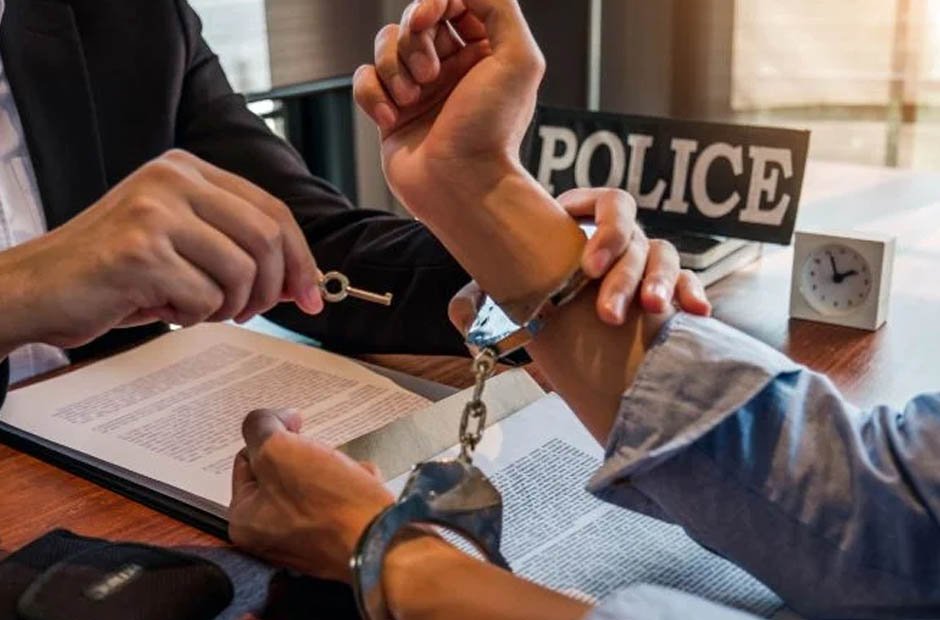
Being falsely accused of a crime can feel like your world is falling apart. Even if you are innocent, the accusation alone can create problems that go far beyond the courtroom.
Many people think the main challenge is legal, but the damage spreads to finances, relationships, mental health, and reputation. Understanding these hidden consequences can help society see why wrongful accusations are so serious.
Financial Struggles
One of the first impacts of being falsely accused is money problems. Legal fees for hiring a lawyer or defending yourself in court can be very high. You might also lose income if you have to miss work for court dates or other legal obligations.
Even paying bail or fines can drain your savings, even though you did nothing wrong. In some cases, losing your job after an accusation adds extra financial stress. These challenges can make it hard to keep up with everyday expenses like rent, bills, and groceries.
Emotional and Mental Health Effects
The emotional toll of a false accusation can be overwhelming. Anxiety, depression, and stress are common reactions. People may feel isolated and fearful of going out in public.
The pressure of defending oneself while facing public judgment can create lasting mental health issues. Sometimes, the stress affects family life and friendships. Loved ones may struggle to understand the situation, and relationships can be strained or broken.
Social and Reputation Damage
Even after proving innocence, the social effects of a false accusation can last for years. Friends, coworkers, and neighbors may treat someone differently once they hear about the accusation.
Rumors and gossip can spread quickly, damaging a person’s reputation. This social stigma can affect professional opportunities, making it harder to find a new job or advance in a career. Schools and community groups may also treat someone unfairly because of the accusation.
Legal Challenges and Court Issues
Dealing with the legal system can be complicated and exhausting. Court dates, paperwork, and investigations take a lot of time and energy. Awareness of several factors that lead to wrongful incrimination can help prevent mistakes and protect innocent people.
By understanding these factors, legal systems, lawyers, and communities can work together to reduce the risk of false accusations. Even when evidence proves innocence, the process can drag on for months or years. During this time, it is easy to feel powerless or frustrated. Mistakes in the legal process, such as miscommunication or errors in evidence handling, can make the situation even worse.
Long-Term Consequences
The effects of a false accusation can continue long after the case ends. Mental health struggles may linger, financial recovery may take years, and social reputation can remain tarnished.
Some people face ongoing mistrust from their communities or even future employers. The experience can make someone more cautious, fearful, or withdrawn. In extreme cases, the trauma from being accused can affect decision-making, relationships, and overall quality of life.
Explore the Damage of Being Falsely Accused of a Crime
Being falsely accused of a crime is more than a legal issue. It can create financial hardships, mental health struggles, social stigma, and long-term personal consequences. Society often focuses on the courtroom battle, but the hidden damages extend far beyond that.
Recognizing the full impact of false accusations helps communities support victims better and work toward a fairer justice system. No one should have to face these challenges alone.
If you’d like to learn more, check out more articles on our blog.