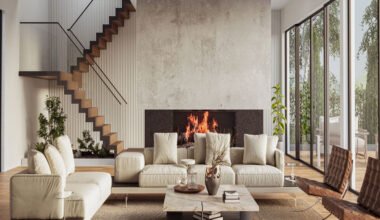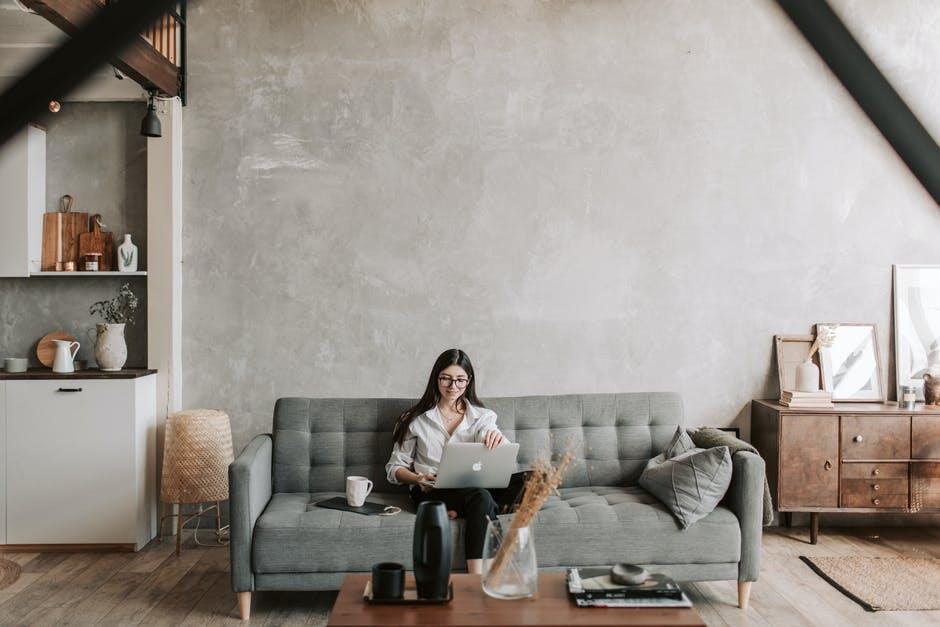
The psychology of symmetry in modern interior design helps create calm and balanced spaces. Many modern homes use matching layouts, shapes, and patterns to improve comfort and visual flow. Symmetry can also make rooms feel cleaner, more organized, and more welcoming.
From furniture placement to geometric details, balanced design affects how people experience a space every day. Balanced interiors can also help reduce visual stress and create a more relaxing atmosphere. Many designers use symmetry to make both small and large spaces feel more connected.
Read below to learn how symmetry shapes modern interiors.
Why Symmetry Feels Comfortable to the Human Mind
People naturally respond well to balance and order. Symmetrical spaces often feel easier to understand at first glance. The brain likes patterns because they create a sense of predictability, and this can help lower feelings of stress inside the home.
Matching furniture on both sides of a room often creates visual stability. Balanced layouts also make rooms appear cleaner and more organized. Many modern homes use symmetry to create a calm daily environment.
Even simple details like matching lamps can affect the mood of a room. Symmetry also helps people focus because the eye does not feel distracted. This is one reason balanced spaces often feel relaxing and peaceful.
How Symmetry Improves Spatial Perception
Symmetry can make a room feel larger than it really is. Balanced layouts guide the eye evenly across the space. This creates a smoother visual experience for anyone inside the room.
Modern interiors often use symmetry to improve flow between areas. Matching furniture placement can also make narrow spaces feel wider.
Consistent shapes and lines help reduce visual confusion in busy rooms. Even ceiling and floor patterns can change how people see space. Designers often place large objects evenly to create harmony.
Symmetry also helps separate areas without using walls. This creates an open feeling while still keeping the room organized.
The Emotional Impact of Balanced Interiors
Balanced rooms often create emotional comfort for homeowners and guests. Symmetry can make people feel safe and settled inside a space. Uneven layouts sometimes create tension without people realizing it.
Modern design often uses symmetry to support a peaceful mood. Matching colors and textures also helps reduce visual stress. People usually spend more time in spaces that feel calm and balanced, and this is important in living rooms and bedrooms where comfort matters most.
Symmetry also supports a feeling of routine and stability in the home. Many people connect balanced spaces with cleanliness and order. These emotional effects explain why symmetry remains popular in modern interiors.
The Role of Geometry in Modern Design
Geometry plays a large role in modern interior styling. Straight lines and repeated shapes create visual consistency throughout the room. Symmetry often begins with geometric planning and careful furniture placement.
Squares, circles, and rectangles help create a balanced appearance. Geometric layouts also help direct movement inside the home.
Many modern spaces combine simple forms to avoid visual clutter. Repeating patterns can make interiors feel more connected from room to room. Even artwork placement often follows geometric balance.
Clean geometry also supports the simple look common in modern homes. These details work together to create a more peaceful environment.
Using Symmetry in Living Room Layouts
Living rooms are one of the easiest places to use symmetry effectively. Sofas are often placed across from matching chairs or tables. This setup creates a strong focal point inside the room.
Balanced seating arrangements also improve conversation flow. Matching lighting on both sides of the space adds visual stability. Symmetry can also help large living rooms feel less empty.
Smaller living rooms benefit because balanced layouts reduce cluttered appearances. Rugs and wall art can also support the overall structure of the space.
Many modern interiors use centered furniture to create harmony. These simple choices often make the room feel more welcoming.
Why Symmetrical Bedrooms Promote Better Rest
Bedrooms should feel calm and relaxing after a long day. Symmetry helps create a peaceful setting that supports better sleep. Matching nightstands and lamps often creates visual balance around the bed, and this setup gives the room a stable and organized appearance.
Balanced furniture placement also reduces visual distractions before sleep. Soft textures and even spacing improve the calming effect of the room. Many modern bedrooms use symmetry to support emotional comfort.
A centered bed often becomes the main anchor of the space. Repeating shapes and colors also create a smoother atmosphere. These details help turn the bedroom into a restful environment.
How Stone Inlays and Patterns Affect Energy
Stone patterns can strongly influence the mood of a room. Symmetrical floor details often create a strong visual center. Many homeowners use geometric flooring to guide movement through open spaces.
Decorative stone features can also make rooms feel more grounded. Some interiors use tile floor medallions to create balanced focal points in entryways and living areas. Circular patterns often help soften sharp modern lines inside the home.
Repeated floor shapes can also improve the sense of order in large spaces. Natural stone textures add warmth while keeping the design structured. Balanced flooring designs work well with modern minimalist interiors, and these details can improve both visual appeal and emotional comfort.
How Lighting Supports Symmetrical Design
Lighting is important in creating visual balance inside a room. Matching light fixtures often strengthens symmetrical layouts. Even lighting also helps reduce harsh shadows that disrupt balance.
Modern interiors often place lighting evenly across walls and ceilings. Table lamps and pendant lights are commonly used in pairs. This setup helps create a smoother and more comfortable atmosphere.
Balanced lighting can also highlight important design features inside the room. Soft lighting often works best in spaces focused on relaxation.
Bright and even lighting is more useful in work areas and kitchens. Proper lighting helps symmetry feel more natural and complete.
Understand the Psychology of Symmetry in Modern Interior Design
The psychology of symmetry in modern interior design continues to influence how homes feel and function. Balanced spaces often create comfort, visual harmony, and a sense of calm in daily life. Simple design choices like matching layouts and geometric patterns can improve both mood and flow inside a room.
Symmetry also helps modern interiors feel timeless and organized. When used carefully, it can turn any space into a more relaxing and welcoming environment.
Should you wish to read more, explore our blog. We’ve got more topics!