Have you ever wondered how a bright beam of light can cut thick metal with clean edges and smooth lines? This process feels almost magical, yet it is built on clear science and smart design used every day in factories and small shops. In modern metal laser cutting, heat, motion, and digital plans work together to shape metal with care.
As you read on, you will learn how lasers work, why they are so precise, and how creative ideas guide machines. By the end, you will understand both the science and the creative power behind this tool for beginners everywhere.
Light Heat And Motion At Work
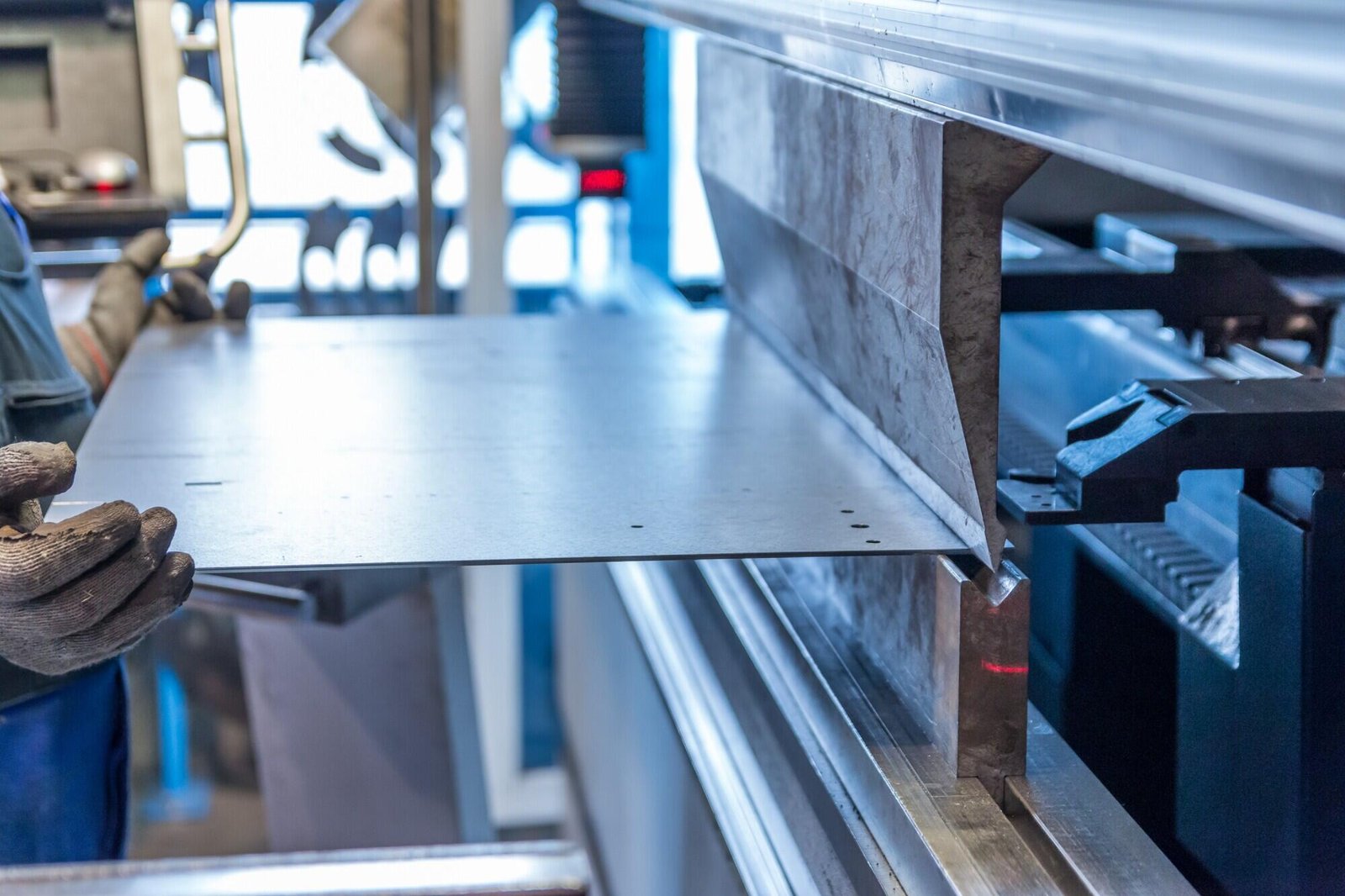
Laser cutting begins with light that is focused into a tiny point. When this light hits metal, it turns into heat and raises the surface temperature very fast. The metal melts or burns away in a narrow path as the beam moves.
A steady flow of gas helps push melted metal aside and keeps the cut clean. Machines guide the beam with smooth motion so lines stay even. This mix of light, heat, and motion allows thick sheets to be shaped with little waste.
The science may sound complex, but the idea is simple and easy to grasp. Engineers test settings often to balance speed and power for each job.
This careful control helps shops save time while keeping strong edges on every part. Heat stays local, which protects nearby areas from damage.
How Modern Metal Laser Cutting Works
This process relies on digital files that tell machines where to move. A design starts on a computer, where shapes are drawn with care. Software turns these shapes into paths the laser can follow.
Motors then move the cutting head along those paths at steady speeds. Sensors watch distance and power to keep the cut stable. If metal thickness changes, the system can adjust fast.
The result is a clean cut that matches the plan with high trust. Beginners often enjoy seeing ideas turn into real parts so quickly. This blend of code and motion shows how science supports creativity in a clear way.
Small shops and large factories both use this method because results stay the same. That repeat quality builds trust between makers and their customers over time. Clear feedback from the machine helps users learn settings faster and avoid errors.
Over time, this learning loop builds skill and confidence in a gentle way. Simple screens and alerts guide choices without confusing new users.
Good design keeps focus on making rather than fixing mistakes. That support shortens the path from idea to result. Results feel rewarding and clear to all.
Precision From Digital Control
Precision is a key strength of laser cutting today. Because the beam is narrow, details can be very fine. Digital control keeps lines straight and curves smooth.
Even small holes can be cut without rough edges. This accuracy helps parts fit together with less fixing later. Less fixing saves time and money for builders.
It also lowers stress during assembly work. When precision improves, confidence grows across the whole project. Careful settings for power and speed help reach this level of control every day.
Teams train machines and people together so results stay steady from start to finish. This steady output makes planning easier and reduces surprise costs on complex jobs.
Clear plans and calm processes support quality work in busy shops. Over time, habits like these shape a culture of care.
Creativity Inside Industrial Tools
Creativity plays a strong role even in industrial cutting. Designers use software to test ideas before metal is touched. They can scale shapes, change patterns, and try new looks with ease.
This freedom helps art meet function in useful ways. Shops may craft parts for buildings, tools, or art displays. Some makers even design custom metal signs to share messages with style.
The laser becomes a creative partner that follows bold ideas. When science and art meet, metalwork feels fresh and exciting. This approach invites more people to explore design, even without years of training.
Easy tools lower barriers and help new voices join the craft. As ideas grow, the technology keeps pace and supports safe growth.
Creative success often comes from steady practice and open thinking. Laser tools reward patience with clear results.
Materials Shaped By Light
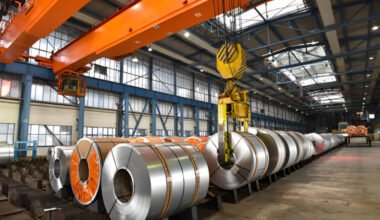
Many metals can be cut with lasers today. Steel, aluminum, and stainless steel respond well to focused heat. Each material needs different settings for best results.
Thickness, finish, and heat flow all matter during cutting. Clean cuts reduce the need for extra sanding or grinding. This saves energy and keeps surfaces smooth.
Understanding material behavior helps avoid warping or marks. With care, even delicate sheets can be shaped with confidence. Testing samples first helps teams choose settings that protect quality and speed.
Good planning also lowers waste and supports cleaner workspaces. When materials behave as expected, projects move forward without delay. Clear records help repeat success on future orders.
Over time, knowledge grows and outcomes improve. This learning cycle supports strong results across many materials. Confidence builds as teams see steady gains.
Safety Care And Smart Use
Safety matters when working with powerful lasers. Machines are enclosed to protect eyes and skin. Proper training teaches users how to set jobs and watch results.
Air systems remove fumes and keep air clean. Smart use also means caring for machines through regular checks. Clean lenses and stable parts keep cuts accurate.
When safety and care come first, work stays smooth. A calm shop allows people to focus on quality and ideas. Clear rules and shared habits help prevent mistakes before they happen.
Teams that talk openly can fix small issues fast and learn together. This culture supports steady output and protects people every day. Good habits turn advanced tools into friendly partners.
With care, progress feels safe and rewarding. This balance keeps shops productive and confident. People and machines succeed best together.
Where Science Meets Creative Craft
Modern making thrives when science supports thinking. Lasers show how light and code can shape materials with care. For beginners, this blend removes fear and invites learning through doing.
Modern metal laser cutting proves that accuracy and art can share the same space. As tools grow smarter, people gain more freedom to design with purpose. Understanding basics helps choices feel calm and informed.
With this knowledge, readers can see metalwork as technical and expressive. The journey ahead is open and rewarding.
Did this guide help you? Browse the rest of this section for more advice on a variety of topics.