Have you ever fallen in love with a house only to wonder if hidden problems are waiting behind the walls? That’s when home buyer inspections make all the difference. They reveal issues you might miss and provide a clearer picture before making such a big commitment.
Moreover, knowing what to look for in a home inspection enables you to avoid costly setbacks and make informed decisions with confidence. Taking a closer look now is the first step! Keep reading to learn how to protect your investment and buy with greater confidence and clarity.
Why Home Buyer Inspections Matter
Home buyer inspections provide essential insights beyond surface appearances when purchasing a property. Additionally, it helps buyers understand potential risks before making a big financial investment. The following points explain why these inspections matter:
- Reveal hidden problems: Home buyer inspections uncover safety hazards, structural issues, and costly repairs that are not visible during a showing.
- Protect home value: They identify conditions that may lower the property’s market value or require major upgrades.
- Support negotiations: A detailed inspection report gives buyers the leverage to request repairs, price reductions, or concessions.
- Safeguard long-term investment: Home buyer inspections enable buyers to identify potential expenses early and prepare for future maintenance responsibilities.
- Provide peace of mind: It gives buyers the insight they need to make confident, well-informed decisions about the property’s overall condition.
Home buyer inspections are crucial to ensure financial protection and long-term security.
What to Look for in a Home Inspection
A thorough inspection focuses on key systems that affect the home’s safety, durability, and ongoing costs. Furthermore, understanding what to look for in a home inspection helps buyers avoid overlooking critical issues. The following elements deserve careful attention:
- Structural components: Inspectors evaluate the foundation, framing, and overall stability to confirm the home’s integrity.
- Roofing systems: They check for leaks, damaged shingles, or aging materials that could lead to costly repairs.
- Plumbing: The inspection covers pipes, fixtures, and water heaters to identify leaks or outdated components.
- Electrical systems: Inspectors assess wiring, panels, and outlets to ensure they function safely and meet current standards.
- Interior and exterior conditions: They review walls, ceilings, windows, and siding to spot signs of water damage or deterioration.
Recognizing what to look for in a home inspection equips buyers to evaluate a property wisely and reach more favorable results in the buying process.
Common Oversights to Avoid
When buying a home, it is essential to recognize the risks of overlooking key steps in the inspection process. Missing these details can lead to unexpected repairs and long-term costs. The following highlights common oversights that buyers should avoid:
- Do not skip the inspection: Professional inspectors should evaluate every property to uncover hidden structural, electrical, or safety issues.
- Take enough time: A thorough inspection allows experts to examine plumbing, insulation, and roofing systems carefully.
- Look beyond disclosures: Sellers may not be aware of all existing problems, and some may remain undetected without a professional review.
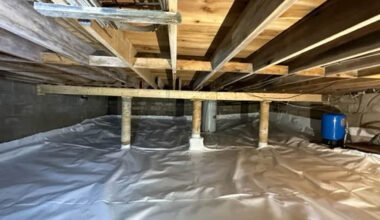
- Check hidden spaces: Attics, basements, and crawl spaces often reveal water damage, pests, or ventilation concerns.
- Review the report thoroughly: Understanding the findings helps you make sound decisions about repairs or negotiations.
By avoiding these oversights, buyers can protect themselves from costly surprises and move forward with greater confidence in their investment.
Choosing the Right Inspector
The effectiveness of home buyer inspections depends on the professional you hire. A qualified inspector provides valuable insight that helps you make informed decisions. Consider these factors when choosing:
- Hire a licensed and experienced inspector: Choose someone with the proper certifications and proven experience with local building codes.
- Request sample inspection reports. Reviewing a past report can help determine whether the findings are clear, detailed, and easy to understand.
- Confirm tools and methods: Ask if the inspector uses thermal cameras or moisture meters to detect hidden issues.
- Verify the inspection scope: Ensure the evaluation covers structural components, electrical systems, plumbing, insulation, and other critical areas.
- Understand communication: Clarify if results come with an in-person review, photo evidence, or a digital summary.
- Ask about follow-up support: Inquire with the inspector if they offer guidance on next steps, including repairs, maintenance, or re-inspections, in case problems arise.
By verifying credentials and raising the right questions, you can secure an inspector who delivers reliable insights and supports informed decisions.
Inspect Before You Invest!
Buying a home is a big step, and avoiding mistakes largely depends on thorough preparation. With home buyer inspections, you learn exactly what to look for in a home inspection and ensure no detail slips by. Instead of cutting corners, focus on quality, clarity, and peace of mind.
When you’re ready to move forward, the smartest choice is to contact a reliable home buyer inspection in Philadelphia who can guide you and protect your investment.