Key Takeaways
- Tucson heat, low humidity, dust, sweat, and sunlight can contribute to scalp dryness, buildup, and irritation.
- Dry or brittle hair is different from permanent follicle loss.
- Pattern hair loss, hormones, health conditions, medications, and family history can all play a role in thinning.
- Sudden shedding, bald patches, pain, sores, or rapid changes deserve medical attention.
- A hair restoration consultation should address diagnosis, donor supply, realistic expectations, and future hair loss.
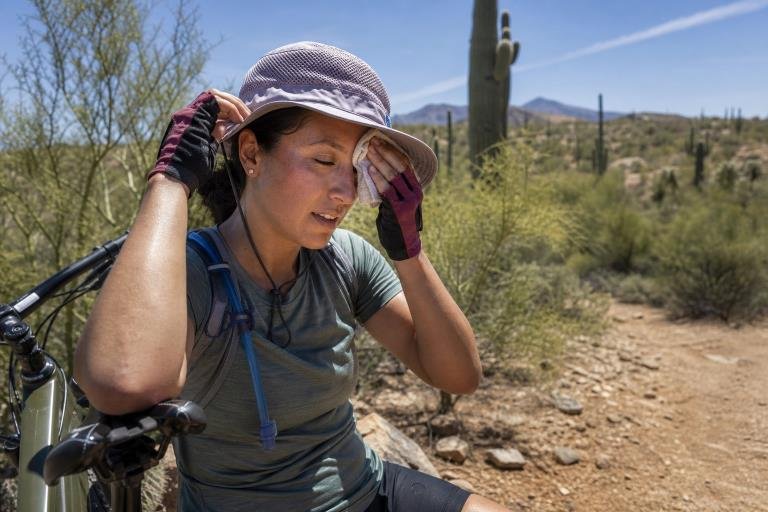
Life in Tucson, Arizona, often means long sunny days, dry air, dusty trails, and plenty of time outside. Those conditions can change how the scalp feels and how hair looks from day to day, especially for hikers, cyclists, golfers, construction workers, and anyone who spends hours in the Sonoran Desert climate.
For people researching surgical restoration, FUE in Tucson, AZ is one option to discuss after the cause and pattern of hair loss have been assessed. Physician’s Hair Institute provides hair restoration services in Tucson and Scottsdale, including follicular unit excision, a procedure that transfers individually harvested follicular units from a donor area to areas of thinning. Its focus on donor assessment, graft handling, and long-term planning makes a detailed consultation valuable for people considering whether FUE fits their goals.
Why Tucson’s Climate Can Change the Way Hair Feels
Hot temperatures and low humidity can leave the hair shaft feeling rough or dry, while sweat, sunscreen, dust, and styling products can collect around the scalp. A cyclist finishing a summer ride through Sabino Canyon, for example, may notice salt residue, itching, or hair that feels dull by the end of the day. These concerns are uncomfortable, but they do not automatically mean that follicles are permanently damaged. For those concerned about hair changes or hair loss, FUT in Tucson, AZ may be one treatment option to discuss with a qualified hair restoration professional. Scalp comfort, however, usually starts with practical aftercare. Rinsing after a heavily sweaty workout, removing product buildup, and avoiding harsh cleansing can help keep the scalp feeling cleaner.
Hair that breaks from dryness may look thinner, yet breakage is not the same as the gradual miniaturization associated with common pattern hair loss.
Sun Protection for a Thinning Scalp in Tucson, Arizona
Thinning areas provide less natural coverage from ultraviolet exposure, so sun protection becomes especially important in Tucson. A loose, breathable hat, shade during the brightest part of the day, and broad-spectrum SPF 30 or higher on exposed scalp skin are sensible measures. The American Academy of Dermatology offers scalp sun protection guidance for people whose hair loss leaves skin more exposed.
- Choose headwear that allows airflow and does not create constant pressure on the same area.
- Wash hats, helmets, and sweatbands regularly after outdoor activity.
- Reapply sunscreen when scalp skin is exposed and sweating, or when swimming has occurred.
- Have a persistent sore, scab, rough patch, or sunburn evaluated by a dermatologist.
Heat, Sweat, and Everyday Scalp Care
- Rinse after heavy sweating: Removing salt, dust, and residue can reduce discomfort after outdoor work or exercise.
- Use a gentle cleanser: Choose a routine that cleans the scalp without leaving it persistently tight, sore, or overly dry.
- Condition where it is needed: Apply conditioner mainly through the mid-lengths and ends if dry hair is a concern.
- Limit extra heat stress: Very hot showers, frequent high-heat styling, and repeated chemical processing can worsen dryness and breakage.
- Pay attention to irritation: Ongoing redness, tenderness, flaking, or itching is a reason to seek professional advice.
Does Arizona Weather Cause Hair Loss?
Desert weather can affect hair texture, breakage, and scalp comfort, but it does not explain every case of progressive thinning. Lasting hair loss is often related to androgenetic, or pattern, hair loss, hormonal changes, thyroid disorders, low iron or other nutritional issues, recent illness or surgery, major stress, autoimmune conditions, traction from tight hairstyles, or medication effects.
Follicular unit transplantation may be part of the conversation for selected patients, but FUE is not the only surgical approach. People comparing methods can also ask about the Fut in Tucson, AZ, which removes a narrow strip of donor scalp for microscopic graft preparation and typically leaves a linear donor scar. The appropriate choice depends on the diagnosis, donor characteristics, preferred hairstyle, and treatment plan.
Signs That Need a Medical Evaluation
Home care is not a substitute for evaluation when hair loss is sudden, patchy, painful, or otherwise unusual. Schedule an appointment if you notice:
- Fast or unexplained shedding.
- Round, sharply defined bald spots.
- Hair loss with burning, pain, intense itching, scaling, sores, bleeding, or drainage.
- New eyebrow or eyelash loss.
- Changes that begin after an illness, new medication, surgery, or major health event.
- A widening part or receding hairline that continues over time.
How to Prepare for a Hair Loss Consultation in Tucson
Bring a clear history to make the visit more productive. Write down when shedding or thinning started, recent health changes, medications and supplements, family history, styling practices, chemical treatments, and the amount of time spent outdoors. Photos taken over several months can show changes that are difficult to remember accurately.
Ask what may be causing the hair loss, whether non-surgical options should be considered first, how the donor area will be evaluated, who performs each part of a procedure, what scarring may occur, and how native hair loss could affect the long-term plan. Also ask when it is appropriate to return to work, exercise, swimming, hiking, and dusty outdoor environments.
Recovery Planning for Tucson Residents
Anyone undergoing a procedure should follow the medical team’s specific washing, sleeping, medication, and activity instructions. In Tucson, it is also wise to plan for indoor recovery time early in healing, protect the scalp from direct sunlight, and ask before returning to strenuous exercise or outdoor work. Visible growth after a hair transplant is gradual, so realistic expectations and scheduled follow-up matter.
Local Sun Safety and Community Awareness
Scalp care belongs alongside broader warm-weather habits such as seeking shade, wearing protective clothing, and planning outdoor activity thoughtfully. The University of Arizona Cancer Center Skin Cancer Institute shares practical Tucson sun-safety advice that can help residents build safer routines during the region’s intense sunny seasons.
Common Questions About Hair and Scalp Health in Tucson
Can Wearing a Hat Cause Hair Loss?
A properly fitted, clean hat does not usually cause genetic hair loss. Breathable headwear can help protect exposed scalp skin from the sun. However, overly tight headwear, trapped sweat, and poor cleaning habits may contribute to irritation.
Should Hair Be Washed Every Day in Tucson?
The best schedule depends on sweat, scalp oil, hair texture, products, and comfort. Someone who sweats heavily may prefer more frequent cleansing, while dry or textured hair may benefit from a gentler schedule and conditioning routine.
Can Dehydration Make Hair Thin?
Hydration supports overall health, particularly during hot weather, but drinking more water is not a stand-alone treatment for inherited or progressive hair loss. Persistent thinning still deserves an appropriate evaluation.
Is FUE Right for Everyone?
No. Candidacy depends on the diagnosis, donor density, hair characteristics, scalp health, goals, and likely future loss pattern. A thorough consultation should compare suitable options instead of assuming one procedure is right for every person.
Conclusion
Tucson living calls for attentive scalp care. Sun, heat, sweat, dust, and dry air can affect comfort and hair quality, but they rarely tell the complete story behind thinning. A consistent routine can help protect the scalp, while early medical guidance can identify concerns that need more than home care. For residents considering restoration, a well-planned consultation can provide clarity about diagnosis, available treatments, and the months ahead.