Stucco has long been a favored choice for homeowners seeking a durable and aesthetically pleasing exterior finish. Its unique composition and careful application process provide resilience against a variety of environmental factors. Many homeowners also explore options such as an acrylic stucco finish for enhanced performance and visual appeal. This article explores stucco’s durability and weather resistance, covering its benefits, common challenges, and best maintenance practices to ensure lasting beauty and protection.
As an exterior siding material, stucco continues to outperform many alternatives due to its natural toughness and flexibility in design. Its established presence in a range of climates, from deserts to damp coastal areas, speaks to its adaptability and value. With proper installation and routine care, stucco can serve as an attractive and long-lasting shield for homes, both modern and traditional in style.
This guide provides a thorough look at what makes stucco so resilient, while also identifying any vulnerabilities that could impact its lifespan. By understanding these aspects, homeowners can make informed choices about exterior finishes, maximizing both beauty and function through diligent upkeep and timely repairs.
What Is Stucco?
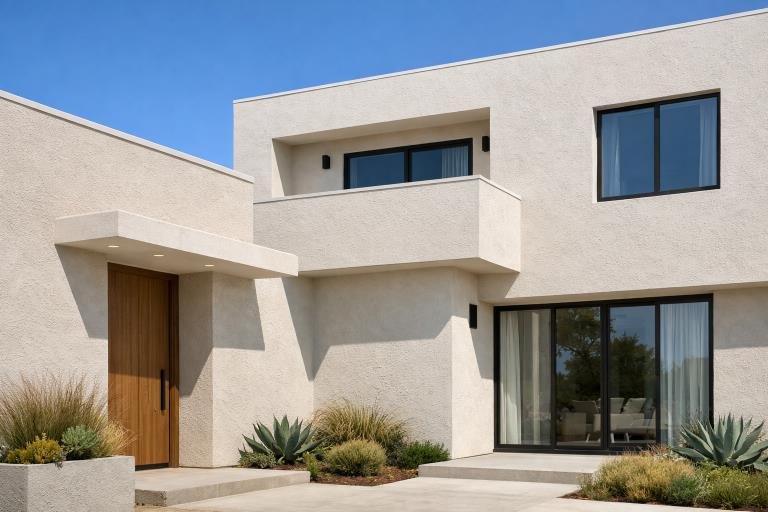
Stucco is a cement-based siding material combining Portland cement, sand, lime, and water. This distinctive blend, applied in several layers, forms a hard yet visually versatile exterior suitable for both interior and exterior wall surfaces. Traditionally popular in Mediterranean, Spanish, and Southwestern architecture, stucco has been adapted to complement contemporary styles as well. Stucco’s flexibility in texture and color allows homeowners and builders to achieve customized finishes. Whether crafting a smooth, modern look or a rustic, hand-troweled texture, stucco accommodates a variety of tastes. Innovations such as polymer-modified stucco and acrylic additives have further improved its workability and resilience.
Durability of Stucco
One of stucco’s primary strengths lies in its long lifespan. With appropriate installation and care, stucco siding can last more than fifty years. The cementitious composition makes it naturally resistant to fire, rot, and insect damage, providing solid protection against many of the threats that undermine other materials. Because stucco adheres directly to structures without extensive seams or joints, there are fewer opportunities for wind or water intrusion. Proper surface preparation and the use of reinforcing mesh are crucial for longevity. These steps help minimize movement and cracking, which are more likely if the underlying structure settles unevenly or is exposed to thermal expansion and contraction. Stucco’s durability is one of the reasons it remains popular in areas prone to wildfire.
Weather Resistance
Stucco’s performance is impressive across different climates. In arid, sunny environments, it stands up well to direct sunlight and heat, often outlasting wood or vinyl siding. Its thermal mass helps buffer against temperature swings, improving indoor energy efficiency. However, the material is not impervious to moisture. The porous structure of traditional stucco means that, in regions with heavy rainfall, humidity, or significant freeze-thaw cycles, water infiltration can cause problems if cracks or gaps are present. Modern systems address this by integrating moisture barriers and drainage layers, limiting water penetration and reducing the chance of mold or hidden rot. For homeowners in humid zones, proper design and regular inspection are essential for long-term weather resistance.
Common Issues and Solutions
Despite its strengths, stucco can develop issues if not properly maintained:
- Cracking:Changes in temperature and minor ground movement can cause minor or major cracks. Most surface cracks are cosmetic but can allow water to enter if left unsealed. Inspection twice a year helps spot problems before they grow larger.
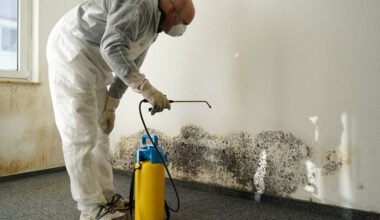
- Moisture Problems:If stucco is incorrectly sealed around joints, windows, or foundations, water can become trapped behind the siding. This may lead to mold, mildew, or even structural wood rot. High-quality flashing, drainage systems, and sealants are necessary to avoid such issues.
- Impact Damage:Hail, stray yard tools, or debris from storms can chip or crack stucco. New elastomeric coatings provide added flexibility and can help mitigate the risk of impact damage.
Maintenance Tips
- Regular Inspection:Survey the exterior for cracks, bulges, or staining at least twice a year. Pay special attention after extreme weather or rapid temperature shifts.
- Timely Repairs:Address chips or cracks as soon as they are noticed. Sealing and patching prevent small issues from becoming major headaches.
- Gentle Cleaning:Use low-pressure water and mild detergent yearly to remove dirt and prevent discoloration. Avoid high-pressure washing, which can force water beneath the surface.
- Protective Sealants:Apply a breathable water-repellent sealant every few years. Breathable products keep moisture out while allowing trapped vapor to escape, preventing internal condensation.
Conclusion
Stucco offers a durable, fire-resistant, and visually adaptable solution for home exteriors. Understanding its strengths and possible weaknesses empowers homeowners to make the most of its benefits. Regular inspections, prompt maintenance, and informed installation techniques ensure that stucco remains both protective and attractive for decades. With thoughtful care, stucco’s combination of durability and weather resistance will continue to enhance homes in every climate.