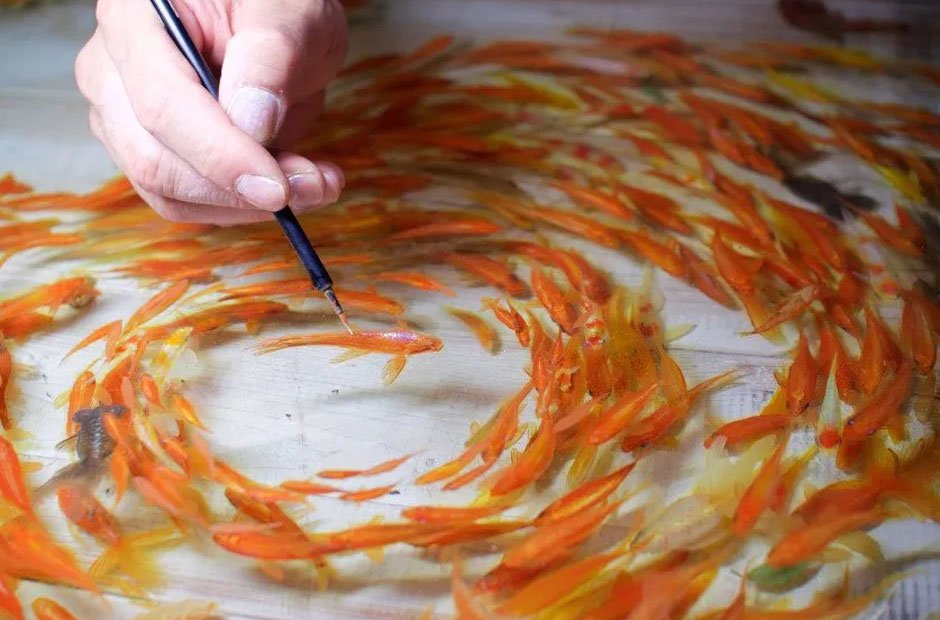
Creativity is often romanticized as spontaneous and unpredictable. The image of the artist struck by sudden inspiration is compelling, but it’s rarely how meaningful work is actually produced. Behind most consistent creative output sits something far less glamorous: routine and repetition.
For artists, routines aren’t the enemy of originality; they’re the conditions that make originality possible. Below are key lessons that artists can learn from embracing structure, even when it feels counterintuitive.
Lesson 1: Repetition Builds Trust in the Process
Repetition teaches you to trust that showing up matters, even when the work feels flat. Creating regularly trains you to separate effort from outcome. Not every session will produce something you love, but each one strengthens your relationship with the process itself.
Over time, repetition removes the pressure to be brilliant every time. You learn that progress comes from accumulation, not perfection. This trust is what allows artists to keep going during quieter or more uncertain creative periods.
Lesson 2: Routine Reduces Creative Friction
Starting is often the hardest part of making art. Routine removes that barrier. When you create at the same time, in the same place, or with the same preparation ritual, your brain recognizes the cue and settles more quickly.
Instead of asking “Should I create today?” the decision is already made. That mental energy can then be spent on the work itself. Routine doesn’t limit freedom; it protects it.
Lesson 3: Small, Consistent Actions Beat Occasional Intensity
Many artists wait for long, uninterrupted stretches of time. In reality, small daily sessions often produce stronger results. Repetition compounds. A short, focused practice done consistently builds skill faster than sporadic bursts of effort.
This lesson applies across disciplines. Writers who write a little every day finish more work. Musicians who practise scales regularly play with more confidence. Visual artists who sketch often see faster improvement. Consistency turns effort into momentum.
Lesson 4: Maintenance Is Part of Creativity
Creative work depends on the body and mind that produce it. Routine care is an often overlooked part of artistic sustainability. Looking after health, posture, sleep, and even dental care supports confidence and comfort in ways that directly affect creative output.
Knowing that practical aspects of life are being handled reduces distraction. For example, staying on top of regular checkups with services like directdental.co.uk removes background stress that can quietly drain focus. When your wellbeing feels stable, creative energy flows more easily.
Lesson 5: Repetition Sharpens Sensitivity
Doing something repeatedly doesn’t dull creativity; it sharpens it. The more you practise, the more you notice. Subtle changes in tone, timing, balance, or composition become visible only through repetition.
This sensitivity allows artists to make intentional choices rather than guessing. Mastery grows from familiarity. Routine gives you the time and exposure needed to develop that depth of understanding.
Lesson 6: Structure Creates Space for Play
Paradoxically, structure makes experimentation safer. When routine provides a stable base, you can take creative risks without fear of losing everything. If one session goes badly, the next one is already scheduled.
This safety net encourages play. Artists become more willing to try new techniques, explore unfamiliar ideas, or push boundaries because the routine ensures continuity.
Lesson 7: Discipline Protects Creativity From Mood
Inspiration comes and goes. Discipline stays. Routine allows artists to work even when motivation is low, emotions are mixed, or confidence wavers. This isn’t about forcing creativity, but about staying connected to it regardless of mood.
Over time, this builds resilience. Artists learn that they don’t need to feel inspired to create. Creating is what invites inspiration back in.
Why These Lessons Matter
Routine and repetition may never feel exciting, but they’re deeply empowering. They turn creativity into a reliable part of life rather than something fragile and unpredictable. For artists who want to create not just occasionally but sustainably, these habits aren’t optional; they’re foundational.
The most enduring creative careers are rarely built on flashes of brilliance alone. They’re built on showing up, again and again, even when no one is watching.