A home can feel open or closed in ways that have very little to do with its actual size. Square footage sets limits, though the experience of a space comes from how it’s arranged, how light moves across it, and how easily one area leads into another. A well-thought-out layout creates breathing room without removing walls or adding extensions. Attention to detail becomes the real driver here, where even small upgrades can completely change how a space feels throughout the day.
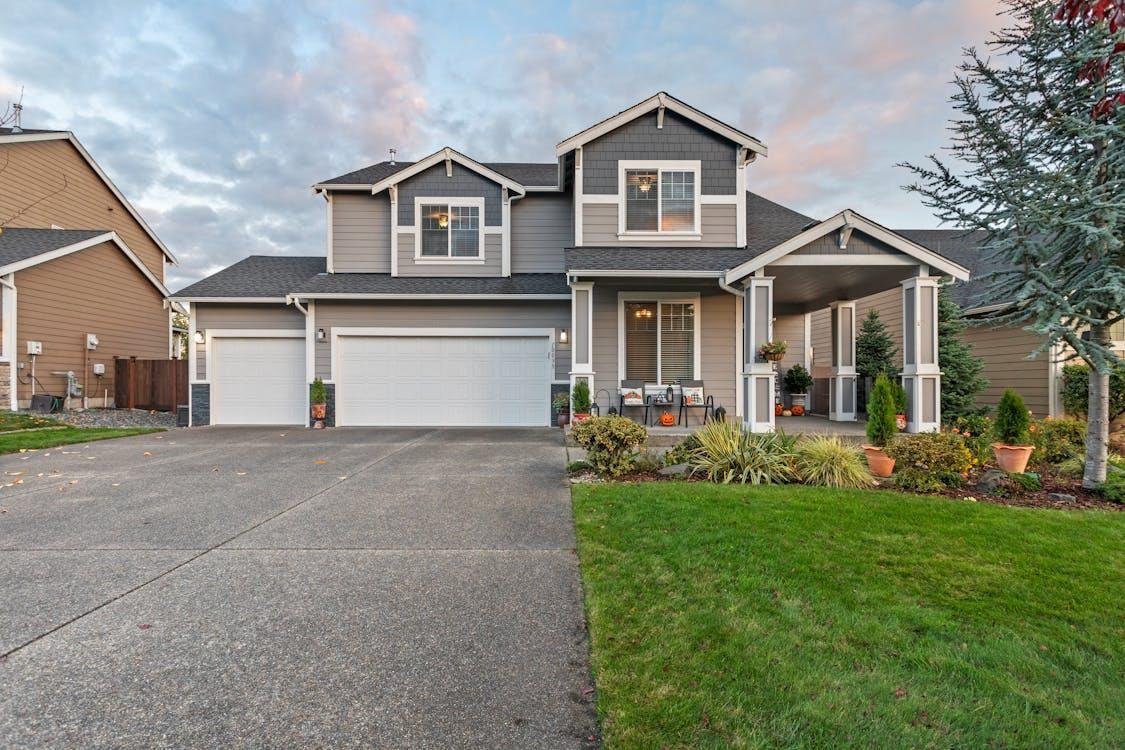
Living in Fullerton, CA, brings this idea into focus in a very practical way. Many homes work within established layouts, which makes thoughtful design decisions even more valuable. A space that feels calm and open doesn’t rely on dramatic changes.
Natural Light as a Defining Element
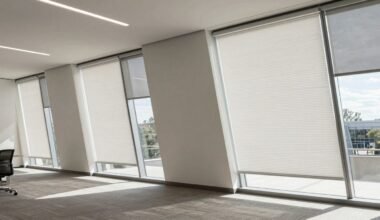
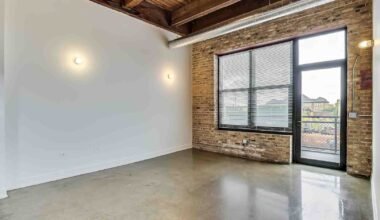
Light has a way of softening boundaries and bringing a sense of openness into a room. A space that receives steady daylight tends to feel more inviting, with fewer dark corners and a clearer sense of depth. Window placement and size directly influence how far that light travels and how evenly it spreads across the interior. A room that feels evenly lit often appears more spacious simply because nothing feels visually compressed.
Working with a window installer in Fullerton allows for adjustments that go beyond basic placement. Careful positioning can guide light deeper into the home, reaching areas that might otherwise stay dim. Larger openings or reworked placements create a more balanced flow of light, allowing the entire space to feel active and connected.
Furniture That Works with the Layout
Pieces that are too large or too dense can interrupt the natural flow of the space, making it feel tighter even if there’s enough room to move around. Visual weight matters just as much as physical size, since bulky forms can dominate the layout and limit how the eye moves across the room.
Choosing furniture that fits the proportions of the space allows everything to sit more comfortably within the layout. Lighter profiles, cleaner lines, and thoughtful placement keep pathways clear and reduce visual clutter. Movement becomes easier, and the entire area feels more open without removing anything essential.
Mirrors That Add Depth Without Effort
Mirrors offer a simple way to extend a room visually, though their impact depends on how they are used. A well-placed mirror reflects light and repeats key elements within the space, which adds depth without introducing new objects.
Positioning a mirror across from a window or a well-lit area allows it to capture and distribute light more effectively. The reflection brings brightness into parts of the room that might otherwise feel closed in. Rather than acting as a decorative piece alone, the mirror becomes part of the overall layout, supporting a sense of openness that feels natural and unforced.
Open Pathways That Keep Spaces Connected
Movement between rooms shapes how a home is experienced on a daily basis. Narrow or blocked pathways can create subtle interruptions that make each area feel separate. Clear, open transitions allow one space to lead naturally into the next, creating a sense of continuity that makes the entire home feel more expansive.
Keeping doorways wide and free from obstruction allows the eye to move without stopping. This uninterrupted flow creates a connection between spaces that supports both visual openness and ease of movement.
A Cohesive Look That Carries Through
Consistency across rooms plays an important role in how open a home feels. Sudden changes in color, material, or style can break the visual flow, making spaces feel smaller and more segmented. A coordinated approach allows each room to connect with the next, creating a smoother overall experience.
Using related tones and materials across different areas keeps the design grounded and unified. The eye moves easily from one room to another without stopping at sharp contrasts or competing elements.
Glass Elements That Keep Spaces Defined Yet Open
Glass has a unique way of separating areas without cutting them off. Instead of relying on solid walls that block light and visibility, glass partitions or doors allow rooms to maintain their purpose while still feeling connected. This becomes especially useful in homes where different zones need definition, though still benefit from a sense of openness.
Natural light continues to travel across spaces when glass is used thoughtfully. A dining area, workspace, or hallway can stay visually linked to the rest of the home without feeling enclosed. The result is a layout where boundaries exist, though they don’t interrupt the overall experience.
Reducing Visual Clutter Through Simplicity
Decor can quickly add weight to a room if it’s not handled carefully. Too many items, even if individually appealing, can compete for attention and make the space feel crowded. A more selective approach allows each element to stand on its own without overwhelming the room.
Keeping surfaces clean and choosing a few meaningful pieces helps maintain a sense of clarity. This allows the layout and light to remain the focus, rather than being overshadowed by excessive detail. A lighter visual environment supports openness and makes the space easier to experience.
Removing Unnecessary Dividers
Some homes carry partitions that no longer serve a strong purpose. These dividers can interrupt both movement and visibility, creating a layout that feels more confined than it needs to be. Simplifying the structure by reducing these elements allows the space to open up without requiring expansion.
An uncluttered layout creates longer sightlines and improves how one area connects to another. Rooms begin to feel less segmented, and the overall space feels more continuous. Even partial adjustments, such as widening an opening or rethinking a divider, can bring a noticeable difference in how open the home feels.
Furniture Alignment That Supports Flow
Placement of furniture influences how easily a room can be used. Items that sit without clear alignment can interrupt pathways and create a sense of disorganization. When pieces follow the natural lines of the room, movement becomes smoother and more intuitive.
Arranging furniture with purpose allows the space to guide how it is used. Clear pathways form naturally, and each area feels defined without being restricted. This balance keeps the room functional while maintaining a sense of openness that feels comfortable and practical.
Creating a sense of openness within a home comes from a series of thoughtful decisions rather than a single major change. Light, layout, and visual continuity all work together to shape how the space feels on a daily basis. Each adjustment contributes to a home that feels connected, balanced, and comfortable within its existing structure.