Key Takeaways
- Accidents involving government vehicles are legally complex and may be subject to different rules than standard car accidents.
- Filing a claim against a government entity typically requires strict deadlines and specific procedures.
- Victims may still be entitled to compensation, but special notice requirements often apply.
- Legal assistance is invaluable for navigating claims against a government agency.
The Unique Challenges of Government Vehicle Accidents
Being involved in an accident with a government vehicle is unlike a typical motor vehicle collision. Government vehicles can include police cars, fire trucks, city buses, mail trucks, and other vehicles operated by federal, state, county, or city agencies. While the accident itself may seem routine, pursuing a claim against the government is not straightforward. Standard insurance claims rules may not apply, and special laws often provide different (and sometimes limited) rights to people injured in such accidents.
Many victims quickly realize just how complicated seeking compensation can become. Government entities, such as cities or states, are protected by “sovereign immunity” principles, which shield them from many lawsuits. However, there are exceptions in which people can hold the government responsible for negligence. Victims must act promptly and understand the rules governing government claims. Consulting an experienced government vehicle accident attorney can help accident victims protect their rights and pursue fair compensation.
First Steps After a Government Vehicle Accident
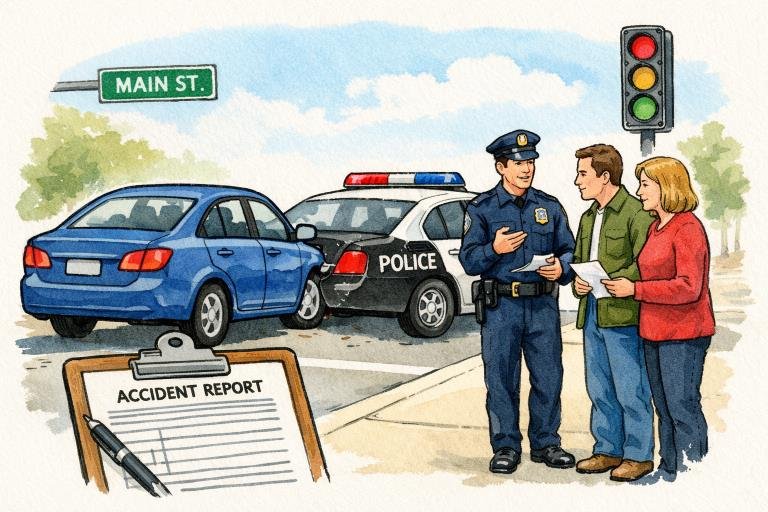
Immediately after a crash with a government vehicle, prioritize safety. Move to a safe area if possible, check for injuries, and call emergency services. Notify law enforcement and request an accident report identifying the vehicle and agency. Gather information: take photos of the damage, the location, and injuries; collect contact details of the involved government employees and witnesses; keep copies of medical records and notes on your well-being following the accident.
Special Rules and Protections for Government Entities
Government agencies have legal protections that private individuals lack. In Texas, the TTCA limits when and how you can sue a government for negligence, often capping damages and restricting the types of covered accidents. If an emergency vehicle responds to a call, exemptions may prevent recovery for damages unless the driver was reckless or negligent. Government employees may also have personal immunity when acting within their duties, often requiring claims to be brought against the agency rather than the individual. Proper documentation and prompt filing are vital to avoid disqualification.
Strict Deadlines and Notice Requirements
Government vehicle accident claims have different deadlines than standard car claims. In Texas and other states, a “notice of claim” must often be filed with the relevant agency within 6 months. Missing this can forfeit your right to compensation, even if your case is valid. These notices should include accident facts, injury details, and claimed damages. Each agency has unique submission rules, some needing specific forms, notarized statements, or direct delivery. Research or legal advice is essential to avoid errors.
Proving Fault and Building Your Case
Proving negligence or recklessness by a government vehicle driver can be challenging, requiring evidence that their actions caused the accident and injuries. This involves gathering eyewitness accounts, surveillance footage, police reports, and medical records. Disputes over whether the vehicle was on an emergency or official duty can influence the outcome. Insurance and government departments may deny or minimize claims, so persistence and thorough documentation are essential. Negotiating with the government is often more complex than with regular insurers.
Getting Legal Help
The laws governing government vehicle accidents are complex and favor agencies over accident victims. For this reason, working with a legal professional who understands sovereign immunity and state-specific rules is vital. An attorney can help navigate notice requirements, gather evidence, estimate damages, and advocate for you through both the claims process and litigation if necessary. Legal guidance not only ensures compliance with deadlines and requirements but also increases your chances of a successful recovery.
Conclusion
Government vehicle accidents pose unique legal challenges, including sovereign immunity, strict notice requirements, and shorter deadlines, making claims different from those in standard car accidents. Success relies on understanding these rules, gathering strong evidence, and meeting deadlines. Acting quickly and consulting an experienced attorney helps protect rights and improve chances for fair compensation. Awareness, preparation, and professional support are key to navigating these claims and obtaining the compensation you deserve.