Key Takeaways
- Assess both the physical and market value of the inherited property as early as possible.
- Understand the local probate process and its implications for property transfers in New Hampshire.
- Carefully weigh selling, renting, or disclaiming the inheritance in relation to your personal goals.
- Know your tax obligations, both state and federal, before making any decisions.
- Rely on legal and real estate professionals to guide you through specialized New Hampshire property regulations.
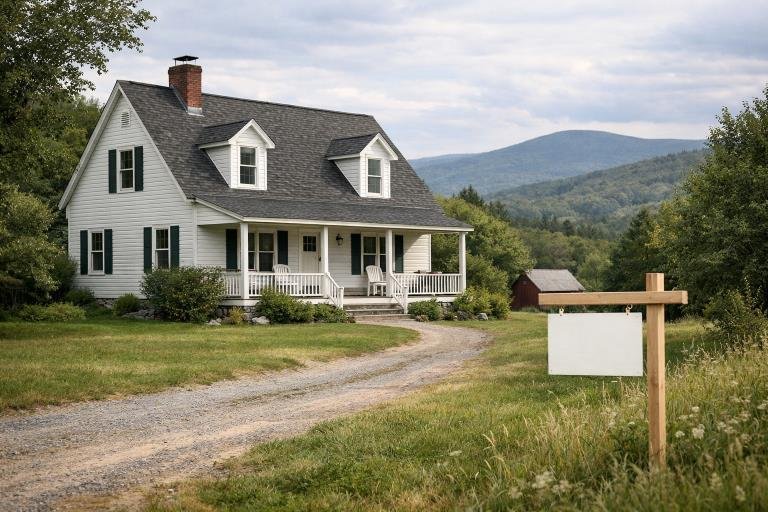
Inheriting a home in New Hampshire can bring mixed emotions and difficult decisions. While the idea of coming into a property may sound appealing, the reality is often complicated, especially if the house does not suit your needs or goals. Whether the location, maintenance costs, or sentimental reasons are influencing your decision, it is important to understand your pathways. If you find yourself in this situation, acting quickly can help you limit costs and stress. For those ready to move forward, Sell Your House Fast in Southern New Hampshire to streamline the process.
People across southern New Hampshire face this challenge for various reasons. Sometimes, inheritors already have homes or live far from the property. Other times, the house needs major repairs or simply does not fit into the family’s lifestyle. Knowing your rights and responsibilities ensures you handle the property efficiently and avoid pitfalls that can arise from indecision or misinformation.
New Hampshire’s unique housing market and legal landscape add an extra layer of complexity that property inheritors must navigate. With a mix of rural areas, historic homes, and tight-knit communities, understanding local factors is key. Consulting with area professionals and understanding state-specific laws will help you make sound choices about inherited real estate.
Assessing the Property
The first step is to take a clear, objective look at the inherited property’s condition and market value. Older homes in New Hampshire can have unique characteristics, ranging from historical charm to significant repair needs. Hiring a licensed appraiser or knowledgeable local real estate agent is the most reliable way to obtain an accurate snapshot of both value and potential liabilities. You will want to consider factors such as location, structural integrity, up-to-date utilities, and any inheritable debts tied to the property. This assessment helps you determine whether selling, renting, or another option is the best route for your situation.
Understanding the Probate Process
Transferring ownership of inherited property in New Hampshire usually requires probating the estate, unless the home was set up to pass automatically through a trust, joint ownership, or other legal mechanism. Probate is a court-supervised process to validate the deceased’s will and settle any outstanding debts or taxes. In New Hampshire, even relatively straightforward estates can be delayed for several months if paperwork is missing or there are any disputes among heirs.
Exploring Your Options
After you have a solid grasp of property value and probate timelines, you can explore your choices:
Selling the Property
Selling is the most common solution if you do not want to or cannot keep the inherited house. Once you are legally empowered to act (which may require completing probate or receiving court approval), choose a reputable real estate agent with New Hampshire experience. Disclosure of any known issues with the property and the provision of accurate paperwork are essential parts of the transaction. Local buyers may value the property’s features and setting, so highlighting New Hampshire’s character could increase your success in marketing the home.
Renting the Property
If you prefer short-term cash flow or are unsure of long-term plans, renting is a possible path. Keep in mind, this approach requires ongoing maintenance and compliance with local landlord-tenant rules. Carefully consider the financial implications, such as repair costs and potential vacancies. In smaller New Hampshire towns, rental demand can fluctuate, but it can also provide a steady income when housing is in short supply.
Disclaiming the Inheritance
If you simply do not want the responsibility, you have the right to disclaim your inheritance. Officially renouncing the property lets the asset pass to the next eligible heir. This choice must be made before accepting any financial benefit or control over the house to avoid complicating the process for yourself or other heirs. Disclaiming is a formal legal process and should be coordinated with an attorney to ensure compliance with state law.
Tax Implications
New Hampshire does not have a state-level inheritance tax, but federal rules still apply. Typically, the tax basis of the home is “stepped up” to the market value at the time of death, reducing capital gains if you sell shortly after inheriting. However, if the property appreciates in value before it is sold, or if you rent the house, additional tax considerations may arise. Consulting a tax professional familiar with both federal and New Hampshire-specific laws is critical to avoid unwelcome surprises. The IRS’s Estate & Gift Taxes page provides further guidance on inheritance-related taxation.
Legal Considerations
Heirs in New Hampshire must meet certain legal requirements before they can sell or transfer inherited property. This often includes signing authorization forms to enable the official distribution of sale proceeds. Delays or errors in paperwork can prolong probate and complicate real estate transactions.
Seeking Professional Guidance
The intricacies of New Hampshire property law, probate, and taxation make professional guidance invaluable. Establish early contact with an estate attorney, a CPA, and a local real estate expert. These professionals provide tailored insight into your situation and safeguard your interests, helping you navigate decisions with confidence and clarity. Their local knowledge ensures you remain in compliance with New Hampshire’s unique requirements.
Conclusion
Inheriting a house you do not want in New Hampshire requires informed decisions that balance legal, financial, and practical considerations. By carefully assessing the property, understanding the local probate process, and exploring every option, you can navigate your inheritance responsibly and efficiently. Lean on professionals and reliable resources to guide you, ensuring the final outcome matches your vision for the future, whether that means selling, renting, or disclaiming the property entirely.