Purchasing a fixer-upper can feel like striking gold. It’s the chance to build equity while crafting your dream home at a more accessible price point. That said, these properties aren’t for the faint of heart. They come with their own set of challenges that demand careful thought before you commit.
Here are some things to know before buying a fixer-upper home.
Assessing the True Cost of Renovations
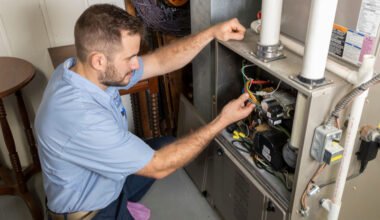
The potential of a property can be captivating, but a thoughtful approach to figuring out renovation costs becomes essential. Many buyers find themselves caught in the trap of underestimating these expenses, which can lead to half-finished projects and serious financial stress. A thorough home inspection is important for your renovation planning. A qualified inspector can examine both visible issues and hidden problems. The inspection should encompass everything from electrical systems and plumbing to heating and cooling, along with the fundamental structural elements. This comprehensive evaluation provides a clear picture of what challenges lie ahead. Following the inspection, detailed estimates from licensed contractors become vital for each aspect of work on your list. These experienced professionals understand current market conditions and provide realistic figures for both materials and labor costs. The estimates should account for everything from demolition to finishing touches. One often-overlooked aspect of renovation budgeting involves preparing for unexpected issues. A contingency fund becomes an essential safety net during construction. This additional financial cushion helps address the surprises that invariably surface during renovation work, from hidden water damage to unexpected structural issues.
Understanding Structural and Foundation Issues
Structural and foundation problems stand out as particularly concerning issues in fixer-upper properties. Warning signs like cracks appearing in walls, uneven floor surfaces, doors that stick or won’t close properly, and gaps forming around windows deserve serious attention. These indicators might seem like minor annoyances at first glance, but they may point to deeper foundation troubles that could compromise the entire building’s integrity. A thorough structural assessment provides clarity about whether the issues are superficial or indicate more serious underlying problems that could impact your investment significantly. This evaluation becomes crucial in determining the property’s true value and potential renovation costs. Foundation repairs represent some of the most complex and costly renovations a property might need. Understanding the full scope of any structural damage before purchase provides valuable negotiating power or might signal that the property requires too much work to be worthwhile. The range of foundation issues varies widely in severity and solution complexity. Some problems might need extensive repairs, while others could require complete foundation replacement. Structural concerns should never be postponed or minimized in importance during the renovation planning process.
Evaluating Major System Replacements
The condition of a home’s major systems impacts both immediate renovation costs and future maintenance expenses. Electrical systems in older homes often present significant challenges. Outdated wiring creates safety hazards and typically falls short of current building code requirements. A complete electrical system overhaul might become necessary to ensure safety and functionality. Plumbing systems bring their own set of challenges to renovation projects. Water damage from failing pipes can lead to extensive repairs, while persistent leaks might indicate the need for comprehensive plumbing replacement. The presence of mold from long-term water issues adds another layer of complexity to renovation planning. Also, the roof stands as one of the most critical components requiring careful evaluation. This protective barrier shields the entire structure from environmental damage, and its condition directly affects every other aspect of the home. A failing roof can lead to cascading problems throughout the property, from water damage in the attic to foundation issues at ground level. Many older properties require a complete roofing replacement. A comprehensive assessment of each system reveals the true condition and potential costs involved in necessary updates or complete replacements.
Considering Your Renovation Timeline and Living Situation
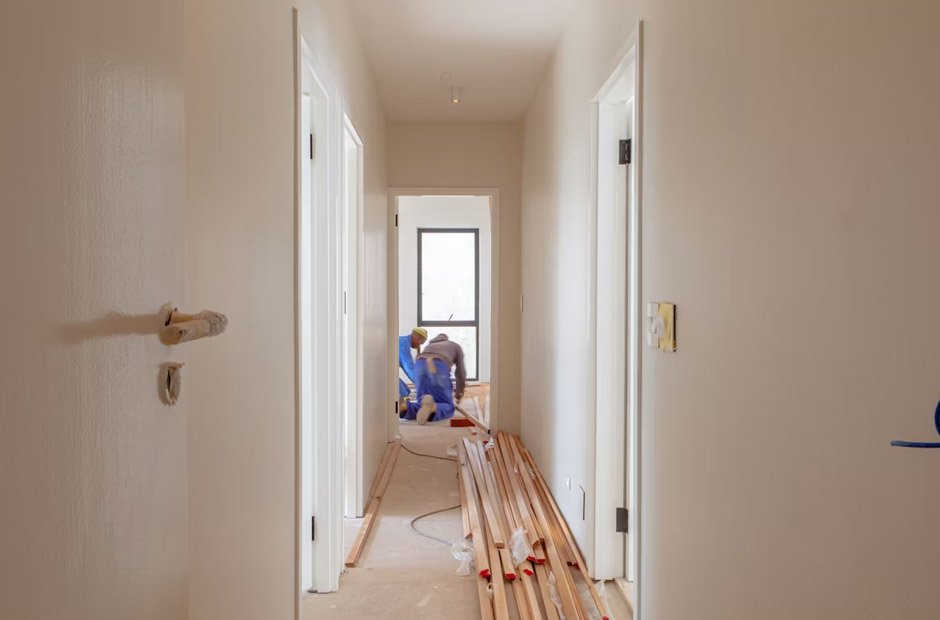
The extent of necessary improvements in a fixer-upper property significantly influences living arrangements and project duration. Extensive renovations often render properties temporarily uninhabitable, creating a situation where homeowners must manage both mortgage payments and temporary housing costs simultaneously. This dual financial obligation can strain budgets and extend project timelines beyond initial expectations. A realistic assessment of financial resources and personal resilience becomes crucial when managing significant renovations while maintaining separate living arrangements. The emotional and financial demands of such situations require careful consideration before committing to an extensive renovation project. The reality of living on-site during renovations presents its own set of challenges that warrant serious consideration. Construction activities generate pervasive dust, constant noise, limited access to various areas, and potential disruptions to essential facilities like kitchens and bathrooms. These daily inconveniences can create significant stress and discomfort for occupants attempting to maintain normal routines during the renovation process. Strategic planning and effective coordination with construction teams become essential when attempting to maintain livable spaces during phased renovations. This approach requires careful scheduling and clear communication to minimize disruptions while ensuring project progress continues steadily.
Conclusion
The journey of transforming a fixer-upper property offers opportunities for building equity and creating personalized living spaces. With thorough preparation and a comprehensive grasp of the complexities involved, the transformation of a fixer-upper into your ideal living space can yield both personal satisfaction and financial benefits.