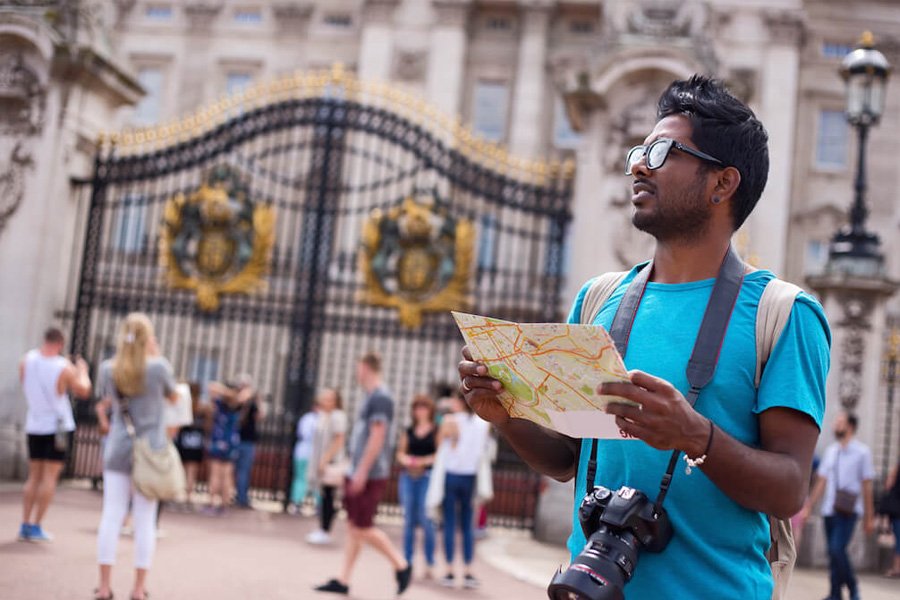
Big cities are always fun to visit. There are people from different cultures, historical sites, and lots of fun things to do. But for those taking a trip to these vibrant places, ensuring safety is one of the top priorities. Travelers can stay safe in big cities by following a few simple guidelines, ensuring everyone can focus on enjoying their adventures.
Research and Planning
It is important to do your research before going to a new city. By learning more about the local culture, customs, and laws, tourists can prevent misunderstandings. Knowing the layout of the city, major neighborhoods, and how to use public transportation gives them a better sense of direction and more confidence to explore.
For instance, you may be wondering, “Is Miami safe for tourists?” It is important to identify the places known for safety concerns. Online resources, travel forums, and guidebooks can educate you about places to avoid, particularly during nighttime. This will allow tourists to be sure that they can enjoy their visit without worrying about their safety.
Transportation Tips
Using the transportation systems in major cities is not always easy. Public transit is typically a good choice, but travelers should still take care of their belongings and maintain awareness of their surroundings. Using cabs or rideshare services can also result in a safer ride. Use maps or navigation applications so you don’t get lost. Don’t flaunt valuables, like a high-end camera or jewelry.
Accommodation Safety
Your accommodation is one of the aspects that plays the biggest role in making a trip safer. Choose accommodation that has good ratings, especially in terms of security. It should have 24-hour reception and secure access. Storing passports and valuables in a hotel room safe is recommended. It is also advisable to learn about the emergency procedures of the accommodation. Being aware of the exits and having a plan in the event of an emergency provides peace of mind.
Personal Safety Practices
Awareness is key to keeping yourself safe. Trust your instincts and avoid areas or activities that appear suspicious. Not going to isolated places, especially during the night, significantly decreases the chances of tourists encountering unsafe situations.
Communication is another essential aspect. Have your phone on you and keep it charged. Provide select individuals with your travel information to make it easier for them to come to your aid if you need help. To overcome language barriers, it is a good idea to have emergency contact numbers and basic phrases written down.
Dealing With Scams
In many large cities, people come up with scams to trap tourists. Familiarity with typical scams, like fake charities or overcharging, will prevent you from falling for them. When in doubt, remember: if it looks too good to be true, it probably is.
When someone offers unsolicited help to a tourist, they must be careful. When something seems off, the best response can be to distance yourself politely. Check prices when you shop or eat out so you can avoid being overcharged.
Health Considerations
Tourists need to have basic health supplies, such as personal medicines, to treat common ailments. You can avoid food-borne diseases by drinking bottled water and dining at well-known establishments. You should also invest in travel insurance. It offers peace of mind and a financial buffer from unforeseen medical crises or emergencies that could derail a trip.
Emergency Preparedness
Part of preparing yourself for a trip involves knowing local emergency numbers and where the closest embassies or consulates are. In the event of lost documents and other problems, these institutions can help.
Being aware of important documents, like passwords and visas stored electronically and physically, is also essential for travelers. If you lose the originals, this can speed up the process of obtaining replacements.
Conclusion
Exploring big cities can be fun; you are surrounded by new cultures and so many things to do. Tourists can travel confidently and safely if they take the necessary precautions. Following these safety tips can help you plan unforgettable trips.