When homeowners think about a renovation, resale value often gets the attention. But the improvements that matter most are frequently the ones that make a home more comfortable, functional, and easier to maintain right now. The best home renovations can improve daily routines while also helping a house work better for the people who live in it.
Every home is different, so there is no universal list of projects that will deliver the same benefit to everyone. A kitchen update may be worthwhile for a family that cooks at home, while better insulation could make a bigger difference in a drafty house. The following projects can add everyday value by addressing common needs, not just changing how a room looks.
1. Improve the Kitchen’s Layout and Storage
A kitchen does not need a full overhaul to become more useful. In many cases, the greatest improvement comes from making the existing layout easier to work in. That might mean adding a pull-out shelf, improving access to frequently used cookware, or creating a better landing space beside the stove or refrigerator.
Before changing cabinets or appliances, pay attention to how the kitchen is used. Is there enough counter space for meal preparation? Do people often cross paths in a narrow aisle? Are everyday dishes stored far from the dishwasher? Small adjustments can reduce friction in daily routines.
A larger renovation could involve changing the layout, but moving plumbing, gas lines, or electrical systems can increase cost and complexity. It is worth comparing the convenience a new arrangement would provide with the disruption involved. Sometimes better lighting, a more practical work surface, or reorganized storage can address the main problem without a major rebuild.
2. Make the Bathroom Easier to Use
Bathrooms serve essential routines, so even modest improvements can have an outsized effect. Better task lighting around the mirror, more accessible storage, a quieter exhaust fan, or a showerhead that suits household needs can make the room more comfortable every day.
For a bathroom that feels cramped, consider whether the issue is the layout or simply the way space is used. A recessed medicine cabinet, wall-mounted storage, or a slimmer vanity may free up floor area. If the room is being renovated more extensively, plan around practical details such as towel storage, ventilation, and easy-to-clean surfaces.
Long-term usability also matters. Features such as slip-resistant flooring, grab-bar blocking in the walls, or a shower with a low threshold may help a home adapt to changing needs. These choices can be planned in a way that fits the design rather than making the room feel clinical.
3. Improve Insulation and Seal Drafts
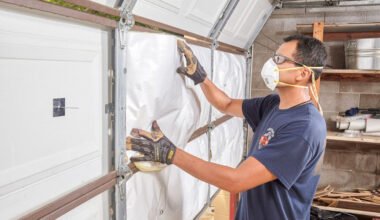
Comfort is a major part of a home’s everyday value. Rooms that feel cold in winter, overheated in summer, or uneven in temperature can make ordinary life less pleasant. Improving insulation and sealing air leaks may help create a more consistent indoor environment.
Common problem areas include attics, crawl spaces, basements, rim joists, and gaps around doors or windows. The right solution depends on the home’s construction and climate. Before adding insulation, it is important to understand where moisture may be entering or collecting. Covering a ventilation or moisture problem can make it worse.
A professional assessment can help identify where improvements are most needed. In some homes, simple weatherstripping or air sealing may be a sensible first step. In others, the attic or basement may need more attention. These upgrades are not always visible, but their effect can be felt in rooms used every day.
4. Upgrade Lighting Where It Matters
Lighting influences how comfortably people cook, read, work, and move around the house. A single overhead fixture may not provide the right light for every activity. Adding task lighting under kitchen cabinets, a reading light beside a chair, or brighter illumination over a work surface can make a room more functional without changing its layout.
Think in layers. General lighting helps illuminate the room, task lighting supports specific activities, and accent lighting can highlight architectural or decorative details. Dimmers can also make a space more adaptable, though the bulbs and controls need to be compatible.
Natural light deserves attention as well. Keeping windows clear of heavy coverings, using lighter finishes, or rearranging furniture may brighten a room without construction. If adding a window or skylight is under consideration, weigh the benefits against factors such as privacy, heat gain, and potential changes to the building envelope.
5. Create More Useful Storage
Clutter often comes from a lack of convenient storage rather than a lack of discipline. A coat closet with no hooks, a pantry with deep shelves, or an entryway with nowhere to put shoes can make daily routines unnecessarily awkward.
Storage improvements are especially valuable when they are close to where items are used. Hooks near the entrance, a designated spot for charging devices, pull-out organizers in a kitchen, or shelves in a laundry area can help keep frequently used belongings accessible. In bedrooms, closet organizers may make better use of existing space without expanding the room.
Built-in storage can look polished, but it should be planned around actual habits. Before adding shelves or cabinets, consider what needs to be stored, how often it is used, and whether it should be visible or tucked away. A storage solution that is difficult to reach or too specialized may end up being less useful than expected.
6. Make Laundry and Utility Areas More Convenient
Laundry rooms and utility spaces are often treated as afterthoughts, even though they support regular household tasks. A few improvements can make these areas easier to use: adding a folding surface, improving lighting, providing space to sort clothes, or making cleaning supplies easier to reach.
If appliances are being replaced, consider how doors open, whether there is room to move a basket, and where supplies will go. A small shelf or cabinet can help keep detergents and household tools organized, but ventilation and safe storage should remain priorities.
In homes where the washer and dryer are in a basement or narrow closet, improvements may be limited by plumbing and space. Even so, a better work surface, a wall-mounted drying rack, or a more convenient place for laundry baskets can make a repeated chore feel less cumbersome.
7. Improve Entryways and Everyday Circulation
The entry is the transition between outside and inside, and it tends to collect shoes, bags, coats, and deliveries. A well-organized entryway can make coming and going smoother, especially in a busy household. Hooks, a bench, shoe storage, or a small drop zone for keys and mail may be enough to improve the space.
Circulation matters beyond the front door. Narrow passages, awkward door swings, or furniture that obstructs a route can make a home feel harder to navigate. Sometimes a simple rearrangement solves the problem. More extensive changes, such as widening a doorway or adjusting a wall, require careful consideration of structure, electrical systems, and local building requirements.
The goal is not necessarily to create a large foyer. It is to make the route through the home feel clear and convenient.
8. Address Maintenance Problems Before They Spread
Some of the most valuable improvements are repairs rather than cosmetic upgrades. A small roof leak, failing caulk, damaged siding, or a slow plumbing leak can lead to more costly problems if ignored. Fixing the underlying issue can protect the home and reduce uncertainty.
It can be tempting to focus first on visible updates, such as new flooring or paint. But if moisture is entering behind a wall or a ventilation problem is contributing to peeling paint, surface improvements may not last. A sound sequence is to identify the cause of a problem, repair it, and then restore the affected finishes.
For older homes, it can be useful to prioritize safety and essential systems, including electrical, plumbing, heating, and structural concerns. The details vary from house to house, so an inspection or qualified contractor’s assessment may help clarify what should come first.
9. Make Floors More Comfortable and Practical
Flooring affects how a room feels underfoot and how much effort it takes to keep clean. In a busy household, durable and easy-to-maintain surfaces may be more useful than a material chosen only for appearance. In bedrooms or family spaces, warmth and sound absorption may matter more.
Before replacing flooring, look at the condition of the subfloor and consider how the new material will meet adjacent rooms. Height differences, transitions, moisture exposure, and cleaning requirements can all affect the finished result. In a bathroom, for example, water resistance and slip considerations are important. In a basement, moisture conditions should be understood before installing a new floor covering.
Replacing flooring throughout a home can be disruptive. If only one room is causing difficulty, a targeted improvement may be more practical than a whole-house project.
10. Choose Improvements That Fit Your Household
A renovation adds everyday value when it solves a real problem for the people who live in the home. A larger kitchen island may be useful for someone who cooks and hosts often, but it could obstruct movement in a small kitchen. A home office may be essential for remote work, while a family with young children might benefit more from durable finishes and organized storage.
Before committing to a project, describe what is not working. “The bathroom needs an update” is broad; “there is nowhere to store toiletries, and the lighting is poor” points toward specific solutions. A clear problem statement can keep a project focused and help prevent spending money on changes that look appealing but do not improve daily life.
Think Beyond the Finished Look
The most satisfying renovations are usually those that balance appearance with function. Better storage, improved lighting, sound insulation, reliable ventilation, and well-planned layouts may not always be the most dramatic changes, but they can make a home feel easier to live in every day.
Before starting, consider the project’s cost, the disruption it will cause, and whether it addresses a lasting need. Check local permit requirements where relevant, and seek qualified help for work involving structure, electrical systems, gas, or plumbing. A thoughtful plan can help homeowners invest in improvements they will appreciate long after the tools are put away.