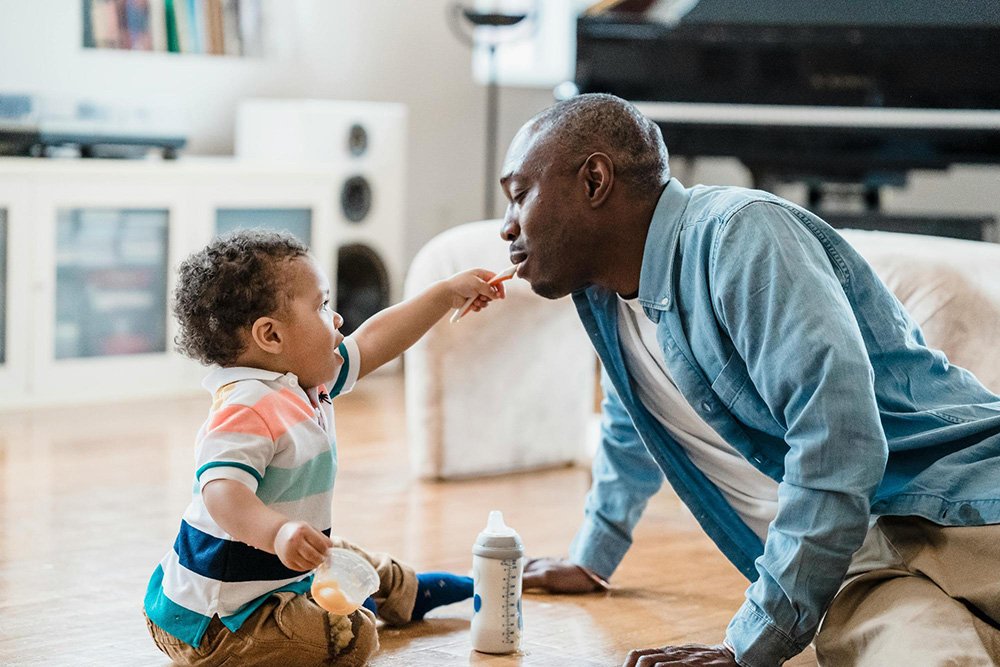
A quiet lifestyle revolution has been developing over the last few years. It doesn’t require buying anything new, chasing trends, or hustling yourself into the ground. It’s called slow living, and while the name might sound simple, it’s making a big impact. Slow living isn’t about abandoning ambition or moving to a farm in the countryside, despite what social media sometimes portrays. It’s a shift in mindset that involves moving through life with intention instead of urgency, choosing presence over pressure, and giving yourself permission to experience life rather than constantly rushing through it.
Slow living has become a surprisingly powerful antidote to chronic overwhelm. People are discovering that constant busyness doesn’t equal a meaningful life. This shift starts small, like choosing to enjoy a cup of coffee without multitasking, taking a midday walk to reset, or pausing before automatically saying “yes” to everything. This helps people notice what they truly want, not just what they’ve been conditioned to chase.
What makes slow living so transformative is that it’s about doing less of what drains you and more of what nourishes you. It’s about creating space to actually live the life you’ve worked hard for. In a culture that rewards speed and productivity at all costs, slow living is quietly becoming the new path toward a better, more sustainable life. And for many adults seeking calm, clarity, and purpose, it’s proving to be exactly what they’ve been missing.
Slow Living Helps Reduce Stress
One of the biggest reasons people are gravitating toward slow living is the immediate reduction in stress. Most adults don’t realize how often they’re operating from a place of low-grade panic—jumping from task to task, reacting instead of responding, and never giving their nervous system a chance to reset. Slow living interrupts this cycle by encouraging intentional pauses and mindful choices. It restores a sense of calm in a world filled with chaos. When you slow down, you’re less likely to spiral and feel behind.
It also helps people build rhythms instead of routines. A routine is a checklist, but a rhythm is a flow. Rhythms allow for flexibility, presence, and adaptation. Why are rhythms better? Instead of packing your schedule with commitments from morning to night, slow living encourages creating space between tasks. You might still have the same responsibilities, but you approach them with more breathing room. The pace changes, and with that shift comes a noticeable decrease in mental clutter.
As a result, the entire day begins to feel more manageable. Meals don’t feel rushed, transitions between activities feel smoother, and the constant sense of urgency fades. When you live with intention instead of reactivity, stress doesn’t have as many entry points. Slow living has been described as feeling like “time expanded,” when really, they simply stopped filling every corner of their lives with pressure.
Slow Living Makes Your Home More Peaceful
Another major reason slow living is rising in popularity is that people are reevaluating the environments they live in. After spending so much time at home in recent years, adults realized how much their surroundings influence their mood, productivity, and overall mental health. A cluttered, chaotic home contributes to a cluttered, chaotic mind. Slow living invites you to create a home environment that supports calm, not overstimulation.
This shift doesn’t require a full minimalist transformation. Instead, it’s about paying attention to how your home makes you feel. People start small: clearing surfaces, reorganizing a room, removing items that carry emotional weight, or choosing more natural lighting and simpler décor. It’s an emotional change. When your home feels peaceful, you’re more likely to move through life with ease. You also spend less time searching for things, feeling overwhelmed by mess, or struggling to unwind at the end of the day.
It’s a mindset that naturally evolves into larger home improvements, like optimizing storage, rearranging furniture for better energy flow, or even remodeling your kitchen to make cooking feel less hectic and more joyful. You can use Superior Stone and Cabinet if you’re looking for kitchen remodel specialists in Phoenix.
Slow Living Helps You Reconnect
One of the most underrated benefits of slow living is its impact on physical awareness. Many adults push themselves far beyond their body’s limits, ignoring fatigue, skipping meals, or trading sleep for productivity. Slow living encourages noticing how your body feels and responding with care. This means taking breaks before burnout hits, eating when you’re hungry instead of when you have a free moment, and allowing rest to be a priority rather than a reward.
As people adopt slow living habits, they often discover how much tension they were ignoring. Muscle tightness, shallow breathing, headaches, and evening exhaustion aren’t just “part of adulthood”—they’re signs that the body has been in overdrive. Slow living is a way to restore balance by respecting natural energy cycles. Some days you’ll feel productive and energized; other days you’ll require more rest. Both are valid. Both are human.
This also helps people develop healthier relationships with exercise, nutrition, and movement. Instead of forcing intense, high-pressure routines, they shift toward movement that feels nourishing because it feels good. The body thrives when it’s listened to, and slow living is one of the few lifestyle shifts that makes this possible.
Slow Living Strengthens Relationships
When life feels rushed, relationships are the first thing to suffer. Slow living helps people reclaim the fullness of connection by prioritizing presence over distraction. Instead of multitasking through conversations or checking messages mid-sentence, people intentionally show up for the people around them. This presence makes interactions more meaningful and less transactional.
Slow living also frees up emotional bandwidth. When your mind isn’t constantly racing through tasks, you have more space to be patient, empathetic, and attentive. Simple rituals become opportunities for bonding instead of obligations to squeeze in. People often find that their relationships deepen naturally when they aren’t living on autopilot.
This shift also helps individuals evaluate which relationships feel healthy and supportive. When life isn’t loud and busy, you can more clearly recognize who pours into you and who drains you. Slow living clarifies relationships. It shows you who values your presence, not just your productivity.
Slow Living Helps You Focus on What Matters
Slow living invites reflection. When you move through life more intentionally, you start asking deeper questions. Many adults realize that they’ve been following expectations rather than desires. They say yes out of obligation, pursue goals out of pressure, or hold onto habits that no longer serve them.
Slow living helps you peel back those layers. Maybe you’ve been overworking because you fear falling behind. Maybe you’ve been overspending because you mistake comfort for healing. Maybe you’ve been filling your schedule because stillness makes you uncomfortable. When you slow down, you can see these patterns clearly and start changing them from the inside out.
This naturally leads to more aligned decisions. People start choosing experiences over possessions, peace over perfection, and authenticity over approval. Their priorities become clearer, their boundaries become stronger, and their goals become more meaningful. Slow living doesn’t just change how you move through your days—it changes how you see your life.
Final Thoughts
Slow living is gaining momentum because it offers something adults desperately need: space to breathe. In a world that constantly demands more—more productivity, more decisions, more speed—slow living offers permission to take life at a pace that actually feels human. It restores focus, sharpens priorities, calms the mind, and creates room for experiences that nourish. For many people, it becomes a turning point—an invitation to stop performing life and start living it.
The beauty of slow living is that it’s accessible to everyone. You don’t need to move, quit your job, or radically change your lifestyle. You just start by paying attention to your body, your home, your energy, and your relationships. These small shifts add up, creating a life that feels more intentional, more peaceful, and more aligned with who you are becoming.