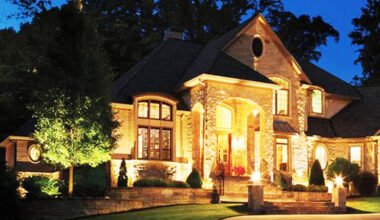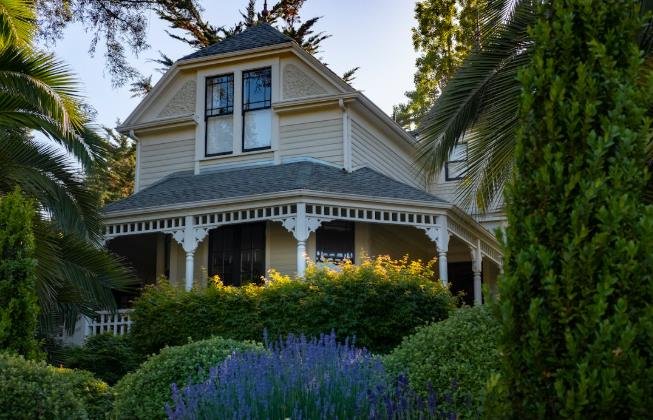
Walk through almost any neighborhood in O’Fallon and you’ll notice something interesting. Two homes built around the same time can look and feel very different today. One still feels solid and well cared for, while the other shows signs of wear that seem far beyond its years. This difference often surprises homeowners, especially those who feel they’ve done “enough” to maintain their space.
The truth is that homes don’t age evenly. Missouri’s shifting seasons, daily use, and small decisions made over the years all leave a mark. Many homeowners only notice problems once they become disruptive or expensive. By then, damage has often had time to spread. Understanding why some homes hold up better than others helps owners make smarter choices earlier, long before problems turn into major repairs.
This article looks at the practical reasons homes age differently and what actually makes a long-term difference.
Systems behind the walls matter most
Some of the most important parts of a home aren’t visible day to day. Plumbing, electrical wiring, ventilation, and heating and cooling systems all affect how a house holds up. When these systems work poorly, other parts of the home often suffer.
Poor airflow can lead to moisture problems. Outdated wiring may limit safe upgrades. Aging mechanical systems place stress on surrounding materials. Many homeowners rely on licensed professionals, such as those who offer heating and cooling services in O’Fallon, MO, to keep these systems working as intended. Homes that age well usually have systems that receive steady attention, not just emergency fixes.
Material choices matter years later
Not all building materials age the same way. Some products hold up under temperature changes and moisture better than others. While cost often drives decisions during construction or renovation, cheaper materials tend to show wear sooner.
Windows that lose their seal, flooring that warps, or exterior finishes that fade quickly all affect how a home feels over time. Quality materials don’t eliminate maintenance, but they reduce how often repairs are needed. Homes that age better usually have fewer shortcuts hidden behind walls or under finishes. Those early choices shape how the house performs long after the work feels “done.”
Daily care shapes long-term condition
A home’s condition often reflects how consistently it receives attention, not how new it is. Small habits, repeated over years, have a bigger impact than many people expect. Homeowners who respond quickly to leaks, drafts, or strange sounds tend to avoid larger issues later. Those who delay repairs often face more damage than they realized was happening.
Regular care doesn’t mean constant projects. It means paying attention. Cleaning gutters, changing filters, and checking for moisture after heavy rain all help prevent slow damage. These tasks don’t improve how a home looks right away, but they protect what holds it together. Homes that age well usually belong to people who notice changes early and act before problems grow.
Small issues rarely stay small
Many serious home problems start quietly. A slow drip under a sink, a hairline crack near a window, or uneven airflow between rooms may not seem urgent. Left alone, these issues often affect nearby areas and systems.
Water damage can spread into walls or flooring. Air leaks can raise energy use and strain equipment. Structural stress often shows warning signs long before repairs become expensive. Homeowners who address issues early usually protect more than just one area of the house. They protect how the entire home ages over time.
Water control protects more than foundations
How water moves around a home plays a major role in how well it ages. Rain that drains away from the house helps protect the foundation, walls, and basement. When water collects near the structure, it slowly causes damage that can take years to fully show.
Proper grading, clear gutters, and downspouts that direct water away from the home all help reduce long-term risk. Landscaping also matters. Soil that slopes toward the house or heavy planting near walls can trap moisture where it shouldn’t be. Homes that age well often have simple but effective water control, even if owners don’t think about it often.
Renovations can help or create new problems
Updates and remodels often improve comfort, but they don’t always help a home age better. Quick fixes that focus only on appearance sometimes hide deeper issues instead of solving them. New flooring won’t stop moisture from rising, and fresh paint won’t fix poor ventilation.
Well-planned renovations usually address function first. That means checking what’s behind the walls, confirming proper installation, and using materials suited to the home’s conditions. When renovations respect how a house works as a whole, they support long-term durability. When they ignore it, problems often surface years later in harder and more costly ways.
Knowledge changes how homeowners respond
Homeowners who understand basic home systems tend to make better decisions. They don’t need technical training, but they know what sounds, smells, or changes deserve attention. That awareness helps them respond before damage spreads.
Knowing where shutoff valves are, how air moves through the home, and what normal operation looks like all matter. This kind of knowledge doesn’t come from manuals alone. It grows from paying attention and asking questions. Homes that age better often belong to people who stay curious about how their space functions.
Inspections catch problems early
Regular inspections help homeowners see what daily living hides. Seasonal checks allow owners to spot wear from weather changes and ongoing use. These inspections don’t need to feel overwhelming. They simply provide a clear picture of what needs attention now versus later.
Catching issues early often limits repair scope and cost. It also helps homeowners plan instead of react. Homes that age well usually follow a rhythm of checkups and small fixes rather than long gaps followed by urgent repairs.
Homes that age well rarely do so by chance. They benefit from steady care, early attention to small issues, and choices that respect how a house functions over time. Climate, materials, water control, and system health all play a role, but homeowner habits often matter most.
When owners stay informed, plan ahead, and respond early, their homes tend to remain more stable and comfortable year after year. Aging doesn’t have to mean decline. With the right approach, it can simply reflect time well managed.