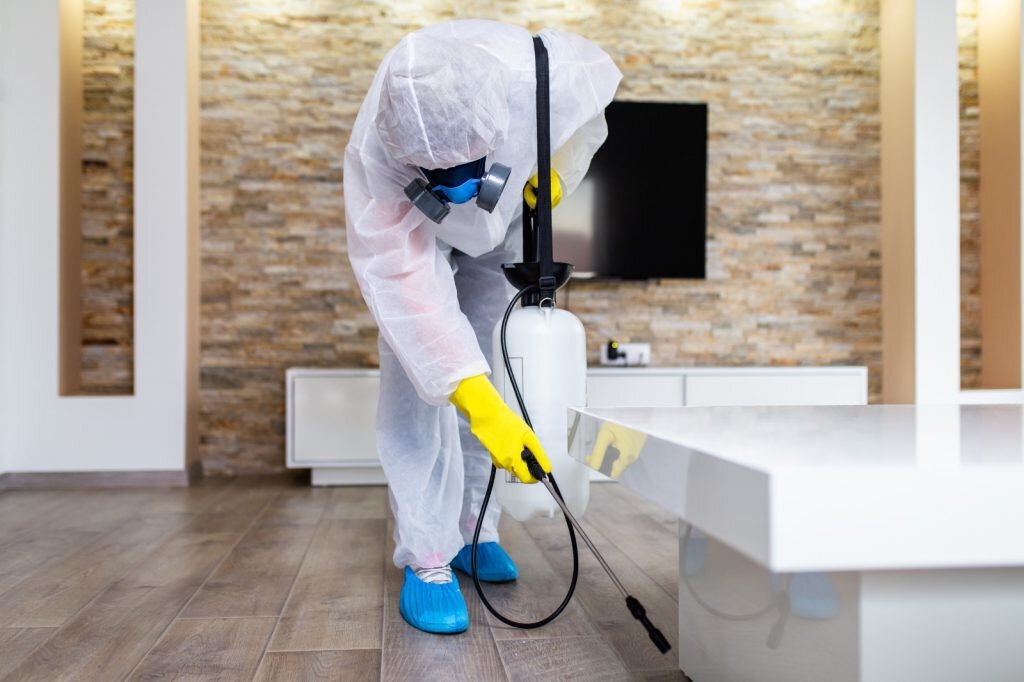
Getting back on your feet after an illness always feels like a small victory. Your energy slowly returns, your appetite comes back, and your to-do list stops feeling like a mountain. But before you settle fully into your normal routine, there’s one more crucial step; deep cleaning your space. Germs and viruses can linger on surfaces, fabrics, and even in the air long after symptoms fade. A proper post-illness cleanup isn’t just about making things look neat again; it’s about creating a truly fresh, safe environment that helps you stay healthy.
Let’s walk through how to sanitize your home the right way after an illness, without overcomplicating it or turning it into a stressful chore.
The Importance of a Post-Illness Cleanup
When you’re sick, your immune system is busy fighting off invaders, and so is your environment. Every sneeze, cough, and tissue used leaves behind tiny traces of germs that can survive for hours or even days. A quick tidy-up might make the space look fine, but that’s not enough to remove what’s unseen.
Deep cleaning helps prevent re-infection and protects others who share your space. It also restores a sense of control and calm. After days of feeling drained, sanitizing your surroundings can feel like hitting a reset button. You’re reclaiming your environment from illness and that mental shift can make recovery feel complete.
Start with Fresh Air

Before you grab any cleaning products, open the windows. Airing out your space for at least 20–30 minutes allows stale air to escape and introduces fresh, oxygen-rich air. Viruses often thrive in enclosed spaces, and fresh air circulation helps disperse lingering particles.
If possible, run an air purifier or change your HVAC filter to ensure you’re breathing clean air. Pay special attention to rooms where you spent most of your recovery time—the bedroom, living room, or any area where you rested the most.
It’s a simple step, but it instantly changes the atmosphere of your home and sets the tone for the deep clean ahead.
Declutter Before You Disinfect
A clean space starts with an uncluttered one. Gather used tissues, packaging, or anything that came into close contact during your sick days. Dispose of them carefully in a sealed trash bag and take it out immediately.
Next, clear flat surfaces like nightstands, tables, and countertops. This helps you see where germs may have landed and ensures your disinfectant can reach every corner. Remember to handle used dishes, cups, or utensils separately. Soak them in hot, soapy water or run them through a high-temperature dishwasher cycle.
Once clutter is gone, you’ll notice your room already feels fresher. Now it’s time to get into the actual sanitizing.
Target High-Touch Areas
Think about what you touched most while you were sick, like door handles, remotes, light switches, phones, and keyboards. These high-contact spots are hotspots for germs. Wipe them thoroughly using disinfectant wipes or a microfiber cloth with a cleaning solution.
If you prefer eco-friendly products, go for those with antibacterial properties, such as vinegar-based cleaners or hydrogen peroxide solutions. Just make sure they are safe for the surface you’re cleaning. Allow the disinfectant to sit for the recommended contact time to ensure it effectively kills bacteria and viruses.
Don’t forget smaller details like drawer handles, faucet knobs, and bedside switches. These often escape attention but hold just as many germs. To make your cleanup more efficient, you can see the full selection of cleaning products available for different surfaces and needs before you begin. Having the right supplies ensures thorough sanitation without damaging any materials.
Deep Clean Fabrics and Soft Surfaces
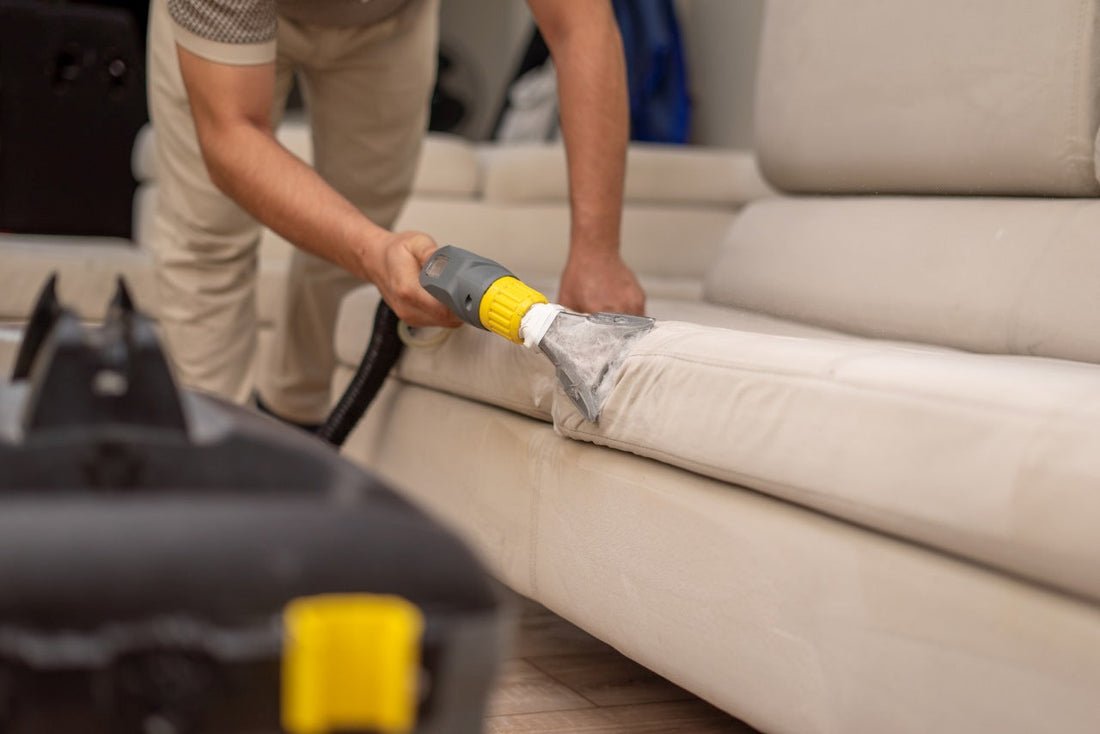
Fabrics are tricky because they can trap germs even when they look clean. Strip your bedding and wash it in hot water with a good detergent. Add a disinfecting laundry additive if possible. Do the same with towels, pillowcases, and blankets.
For items such as curtains, couch covers, or decorative cushions, check the washing instructions carefully. If machine washing isn’t possible, use a steam cleaner to sanitize them effectively. Heat is one of the most natural and powerful ways to eliminate microbes.
Your mattress deserves attention, too. Vacuum it thoroughly, and if possible, sprinkle baking soda over it to absorb odours before vacuuming again. You can also lightly mist it with a fabric-safe disinfectant spray.
Once the soft items are washed and aired out, your space instantly feels lighter and more breathable.
Disinfect Hard Surfaces the Smart Way
When it comes to hard surfaces, consistency is key. Kitchen counters, desks, bathroom tiles, and floors all need thorough cleaning. Use a disinfectant cleaner suitable for each type of surface, like bleach-based for bathroom tiles, mild cleaners for wooden furniture, and alcohol-based solutions for electronics.
Work in sections so you don’t miss any spots. Wipe in one direction instead of circular motions to trap dirt rather than spread it around. Also, clean your cleaning tools themselves by rinsing mops, replacing sponges, and washing cloths after use ensure you’re not just redistributing germs.
Focus on the Bathroom and Kitchen
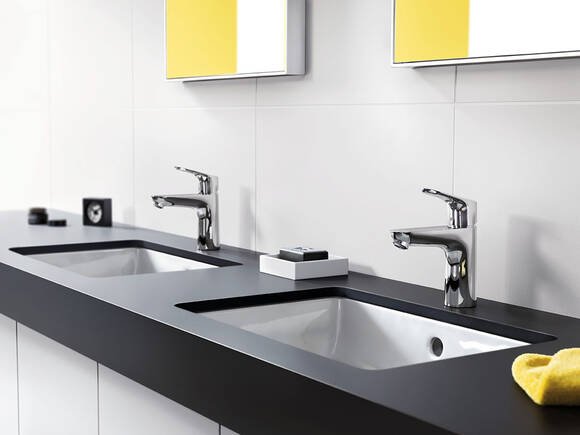
These two areas deserve extra care. Bathrooms are prime locations for bacteria due to moisture, and kitchens can easily become contaminated during an illness.
Begin by sanitizing the bathroom fixtures, including the sink, faucet, toilet flush handle, and shower surfaces. Swap out your toothbrush and clean your holder. If multiple people share the bathroom, disinfect frequently touched surfaces, such as towel hooks and door handles.
In the kitchen, clean the fridge handle, countertop, and any appliance you used while sick. Run dish sponges in the microwave for a minute or soak them in vinegar to kill bacteria. Even your garbage bin should be taken care of by washing it with warm water and a disinfectant before inserting a new liner.
Once these spaces are refreshed, your home’s overall hygiene jumps to another level.
Electronics Need Care Too
Phones, tablets, and laptops often spend hours in our hands, even during illness. Use alcohol wipes or a soft cloth with diluted rubbing alcohol to wipe screens, keyboards, and mouse pads. Avoid soaking any area with liquid, as just a gentle wipe is enough.
If you use your phone in bed, pay extra attention to cleaning the case and edges. Sanitizing these items daily, even when you’re not sick, helps prevent germ buildup over time.
The Psychological Reset

Beyond the physical act, post-illness deep cleaning has a powerful psychological benefit. Illness often leaves behind an invisible heaviness, whether it be the memory of fatigue, discomfort, or disruption. Cleaning allows you to symbolically wipe that slate clean.
You’re not just disinfecting; you’re reclaiming your energy, your productivity, and your sense of normalcy. The scent of freshly laundered sheets or a lemon-scented counter can do wonders for your mood. It tells your mind, “The worst is over, and life is moving forward.”
Final Thoughts
Recovering from an illness is about restoring harmony to both your physical and mental space. A thoughtful, deep clean helps ensure your environment supports your well-being instead of hindering it.
Once you’ve aired out rooms, sanitized surfaces, refreshed fabrics, and decluttered corners, you’ll notice the difference immediately. Your home will end up feeling lighter, safer, and ready to welcome you back to full health. After all, there’s nothing quite like the comfort of returning to a clean, healthy space that feels completely yours again.