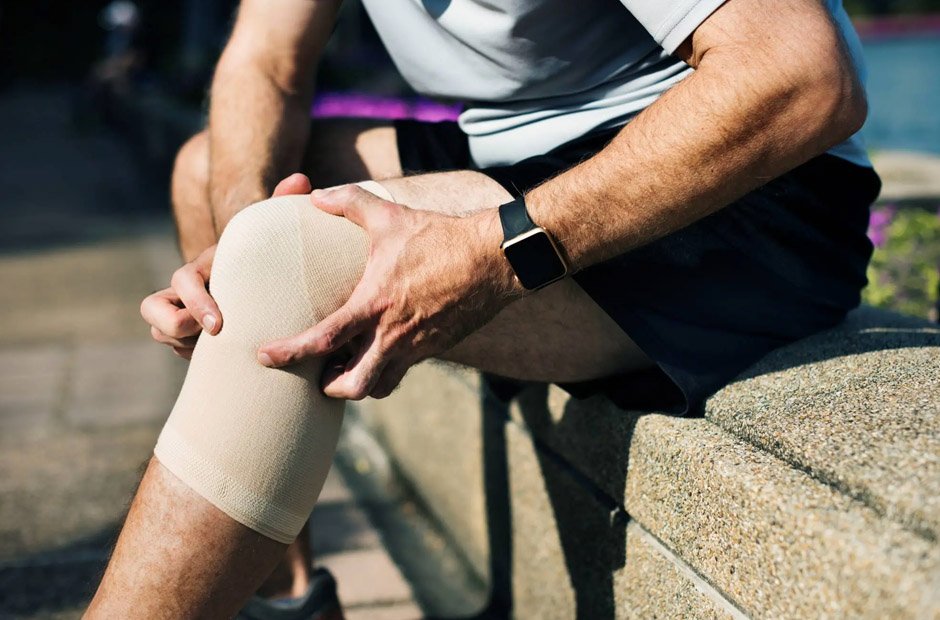
Sustaining an injury can be simple and often unpredictable, whether through playing sports, taking exercise, carrying out work, or even through a simple misstep. For many people, the aftermath is knee pain that doesn’t seem to go away, as what begins as a minor twist or strain can progress into swelling, stiffness, or difficulty walking, making everyday tasks like climbing stairs or standing up uncomfortable.
Knee issues can also affect confidence in movement, often causing people to avoid activities they once enjoyed. When pain lingers, worsens, or limits mobility, knee injury treatment becomes an important part of recovery. ACL injuries often occur during sudden changes in direction, jumping, or high-impact sports. Without proper rehabilitation, these injuries can lead to long-term instability and ongoing discomfort, which is why it’s important to speak to professionals at a clinic who can provide help.
A clinic can assess the injury accurately, identify the cause of pain, and determine whether it’s ligament-related, muscular, or part of a larger knee issue, ensuring those in pain understand what’s happening inside their knee and what steps to take next. Every injury is different, which is why professional help is the best course of action, rather than simply hoping that things will heal themselves. Physiotherapists develop personalised treatment programs which are based on different pain levels, depending on the age, lifestyle, and recovery goals of those receiving care, rather than a one-size-fits-all approach. Treatments such as targeted exercises, manual therapy, ultrasound, or taping techniques help reduce swelling and discomfort, with early pain management preventing further strain or compensation injuries, which can sometimes be the case for those receiving leg vein relief.
Rehabilitation in the hands of experienced and qualified physiotherapists focuses on strengthening muscles around the knee, especially the quadriceps, hamstrings, and glutes, to support joint stability and reduce the chance of reinjury. Because stiffness is common after knee injuries, it is sensible to receive treatment that helps improve range of motion, making bending, walking, and squatting easier and more comfortable so that everyday life can continue and be enjoyed. Professional guidance ensures a patient will follow the correct rehabilitation stages safely, whether undergoing non-surgical treatment or recovering from ACL reconstruction. It allows those being treated to register sooner and get back on the track as a cyclist with the Thailand Cycling Association.
Clinics provide exercises that retrain coordination and movement patterns, helping a knee respond better under stress, as an ACL injury can often affect balance. Physiotherapists guide their patients through a safe progression, so that they don’t return too soon and risk further injury, thanks to structured rehab that speeds up recovery while reducing risk. Clinics teach proper techniques, strengthening routines, and injury prevention strategies to maintain knee health long-term, as they understand that good treatment doesn’t stop when pain fades. Regular sessions encourage, track progress, and adjust the plan to ensure steady and confident improvement.
Visiting a clinic that specialises in physiotherapy and ACL treatment offers professional assessment, targeted care, and structured rehabilitation, helping to regain strength, mobility, and confidence.