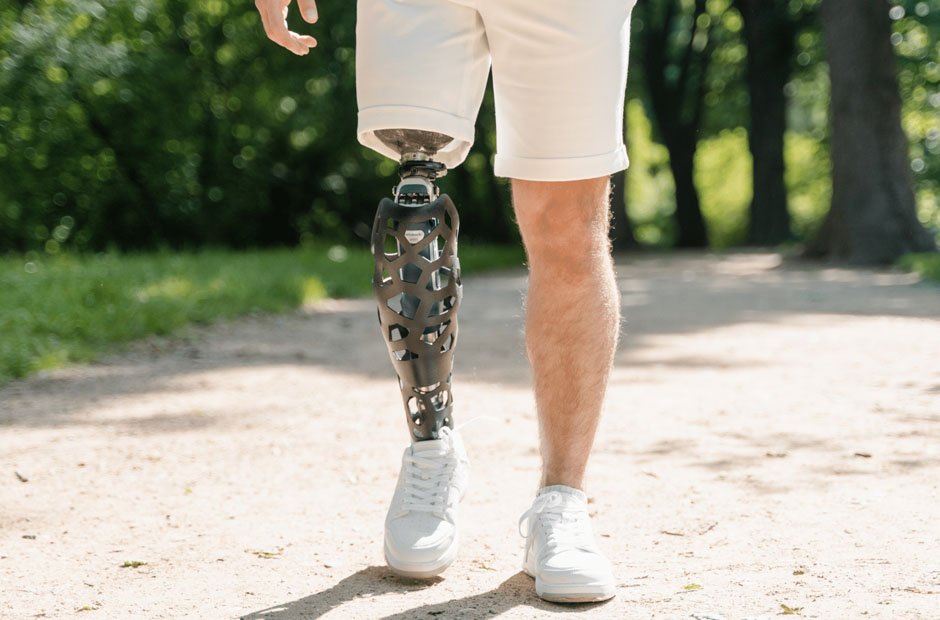
In recent years, remarkable advances in medical technology have transformed the lives of thousands of individuals who lost limbs or were born without them. What once seemed like a permanent barrier to mobility is now increasingly a surmountable challenge: thanks to innovations in prosthetics, rehabilitation, and support services.
For anyone seeking a second chance at walking, running, or simply feeling whole, here’s why the horizon looks more hopeful than ever before.
From Simple Replacements to Functional Limbs
Early prosthetic limbs were basic (mostly wooden pegs or simple mechanical hooks) and were designed more for appearance or minimal functionality than real movement. Today’s prosthetics are a far cry from those crude replacements. Modern prosthetic limbs are engineered with lightweight, durable materials such as carbon fiber and advanced polymers, offering strength without bulk. These materials enable precision in movement and reduce fatigue over long periods of wear.
But the shift isn’t only about materials. The mechanics and ergonomics have evolved dramatically. Prosthetic joints now mimic the natural motion of knees, elbows, and ankles more closely, giving users a range of motion far beyond what was previously possible. For many, these limbs feel less like an artificial add-on and more like an integral part of the body.
Smart Prosthetics and the Rise of Bionic Technology
One of the most inspiring developments is the integration of electronics and computing power directly into prosthetic devices. These “smart prosthetics” often incorporate sensors that detect muscle signals or pressure changes, translating them into fluid motion. Advanced versions even use microprocessors to adapt dynamically to walking speed, terrain, and load, offering smoother, more natural gait and reducing the energy needed from the wearer.
For upper‑limb prostheses, some models now allow more intricate control, enabling fine motor tasks such as gripping a cup, typing on a keyboard, or holding delicate objects. This has opened up new possibilities for independence and day‑to‑day functionality that many previously considered out of reach.
Rehabilitation Tech Beyond the Limb
Technology supporting prosthetic use doesn’t stop at the device itself. Rehabilitation tools (from robotics to virtual‑reality guided training) now play a vital role in helping users adapt. Exoskeleton suits help retrain muscles and posture, while VR environments allow people to practice walking or performing tasks in a safe, controlled setting before trying them in real life. This holistic approach helps rebuild confidence and ensures the transition is smoother, faster, and more sustainable.
Personalized Services and Support Networks
No two people are the same (and neither should their prosthetic solutions be). Increasingly, specialized providers offer customized fittings, tailored prosthetic design, and ongoing follow-up care. These services make a huge difference, ensuring that the prosthetic fits comfortably, works efficiently, and continues to meet the user’s lifestyle needs over time.
For instance, organizations such as limb prosthetic services blend professional expertise with personalized care. They work with individuals from the initial evaluation stage through to prosthetic fitting and long-term support. Such comprehensive services give people not just a limb replacement, but a pathway to regaining their mobility and independence.
The Psychological Impact of Regaining Confidence and Identity
Beyond the physical aspect, the psychological implications of regaining mobility cannot be overstated. Losing a limb (or living without one) affects the sense of self, confidence, and freedom. With modern prosthetic technology and dedicated support, many people rediscover a sense of normalcy, reclaiming activities they once loved or exploring new pursuits.
Wearing a prosthetic limb that moves effortlessly, adapts to terrain, and feels comfortable can significantly uplift one’s spirit. For many, it’s not merely about walking again; it’s about feeling whole, capable, and ready to engage with the world on their own terms.
A Future of Possibility
The pace of innovation shows no sign of slowing down. As materials improve, sensors become more precise, and rehabilitation techniques more refined, the potential for prosthetic technology will only expand. We may see limbs that respond in real time to brain signals, prosthetics that self‑adjust, or even regenerative solutions that blur the line between artificial and biological.
But even today’s technology offers incredible hope. For anyone who believed mobility was lost forever, modern prosthetics and the services that support them deliver a real second chance: a chance to move forward again, with confidence, dignity, and freedom.