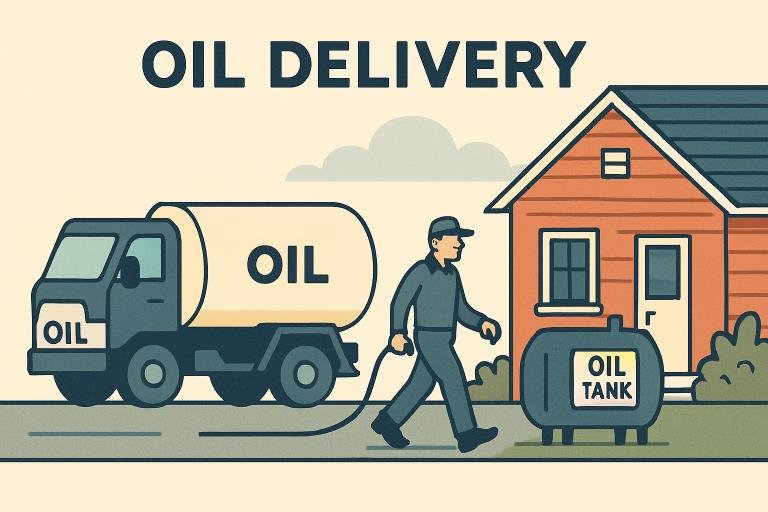
Maintaining a continuous supply of heating oil is essential for both households and businesses, ensuring comfort and efficient operations throughout the year. Scheduling oil deliveries that you can count on not only wards off cold spells and operational downtime but also helps manage expenses and avoid last-minute emergencies. Many consumers today prefer the flexibility of cash heating oil deliveries, which offer budgeting convenience and immediate service, streamlining the process for both regular users and first-time customers.
The right approach to scheduling ensures your tanks never run dry, and your heating needs are met without unnecessary stress or overspending. Whether you’re a homeowner preparing for winter or a facility manager overseeing larger properties, these tips will help you put an effective delivery strategy in place, keeping you ahead of seasonal spikes and market fluctuations.
Understand Your Fuel Consumption
Accurately gauging your fuel needs is the foundation for planning reliable oil deliveries. Different homes and businesses have different consumption rates—factors such as building size, insulation efficiency, occupancy, and heating habits all play a significant role. Start by tracking your fuel usage over time and keeping detailed records. If you’re new to monitoring fuel, installing a tank gauge or reading your delivery slips can give you a solid baseline.
Assess how quickly your tank empties during both high-demand winter months and milder seasons. This will help you forecast how often you’ll need deliveries and allow you to plan refills before your levels get critically low. Making a habit of checking your tank regularly helps avoid unexpected shortages, ensuring your heating system runs smoothly year-round.
Establish a Relationship with a Reputable Supplier
Securing your oil supply begins with selecting a delivery company renowned for its reliability. Research your local options, reading customer reviews and verifying their delivery timetables. A reliable supplier will be transparent about pricing, offer a variety of delivery schedules, and provide customer support when you need it most. A well-established partnership can be beneficial in urgent situations, often resulting in priority service during harsh weather or peak usage periods.
Schedule Regular Deliveries
Setting up routine or automatic delivery can be a significant stress reliever. Many reputable suppliers analyze your historical usage data along with weather conditions to proactively schedule your next refill. This hands-off approach ensures a consistent heating oil supply and reduces the risk of run-outs, especially in colder months when demand surges. For those who prefer flexibility, review your supplier’s terms for on-demand deliveries to select a plan that best fits your lifestyle or business operations.
Utilize Remote Monitoring Technology
Investing in modern tank monitors offers peace of mind and greater control over your fuel supply. Smart monitoring devices provide real-time updates on your tank levels, accessible from a mobile app or web dashboard. These systems can alert you before your levels get low, helping you coordinate timely refills. Remote monitoring is especially valuable for property managers overseeing multiple sites, as it helps optimize delivery schedules and minimize both risk and waste.
Plan for Seasonal Changes
With winter’s unpredictable spikes in demand, planning is more than a precaution—it’s a necessity. Schedule deliveries before cold snaps hit, ensuring your spot on your supplier’s route and avoiding premium fees or delivery delays. Early ordering is vital for those in regions where severe weather can disrupt supply chains or delay deliveries. For homes and businesses that rely on uninterrupted heating, early planning is the best insurance against the discomfort and risks associated with a fuel shortage.
Ensure Accessibility for Deliveries
A successful delivery requires more than just a phone call—it relies on clear and safe access to your oil tank. Keep driveways plowed, walkways free of obstacles, and gates unlocked on delivery days. If you have pets, secure them during scheduled deliveries. These small but essential steps save time and reduce the likelihood of missed or delayed deliveries, ensuring a seamless process for everyone involved.
Be Aware of Pricing and Payment Options
Heating oil prices can fluctuate significantly due to changes in demand and market conditions. Discuss available payment options with your supplier, including budget plans or fixed-price contracts that help spread costs throughout the year. Understanding your agreement—whether it involves prepaying for fuel, locking in a rate, or paying upon delivery—can prevent unpleasant surprises and support effective household or operational budgeting. Tips on managing heating costs can be found in resources like Consumer Reports’ heating oil savings guide.
Stay Informed About Market Trends
Heating oil prices are influenced by global crude oil prices, regional supply issues, and even extreme weather conditions. Keeping an eye on market trends helps you anticipate price changes and place orders for oil at more favorable times. Many suppliers provide newsletters or notifications about upcoming fluctuations. Staying in communication with your delivery provider and reading news from reputable sources, such as The New York Times’ Energy section, can keep you informed about factors affecting oil availability and costs.
Conclusion
Scheduling reliable oil deliveries is a process that rewards proactive planning, innovative technology, and strong relationships with reputable suppliers. By understanding your unique fuel needs, utilizing monitoring solutions, planning for seasonal fluctuations, and staying informed about market dynamics, you can secure your fuel supply with confidence. Utilize these strategies to keep your home or business comfortable, efficient, and prepared throughout the year.