Major public events bring people together for moments of celebration, competition, or cultural exchange. Whether it is a large concert, a sporting tournament, or a community festival, the success of such events depends on more than just entertainment and logistics.
True success is determined by how well organizers prepare for every possible scenario. Preparedness ensures safety, order, and a positive experience for attendees, making it the backbone of any well-executed event. From the earliest stages of planning to post-event evaluations, readiness touches every aspect of execution.
The Role of Planning and Coordination in Seamless Execution
Every successful public event is built upon strong planning and effective coordination. Behind the scenes, teams work together with precision to create an environment that feels effortless to attendees but is carefully structured for safety, comfort, and efficiency. From setting up the venue layout to managing large crowds, every element depends on thoughtful preparation and clear communication among multiple departments.
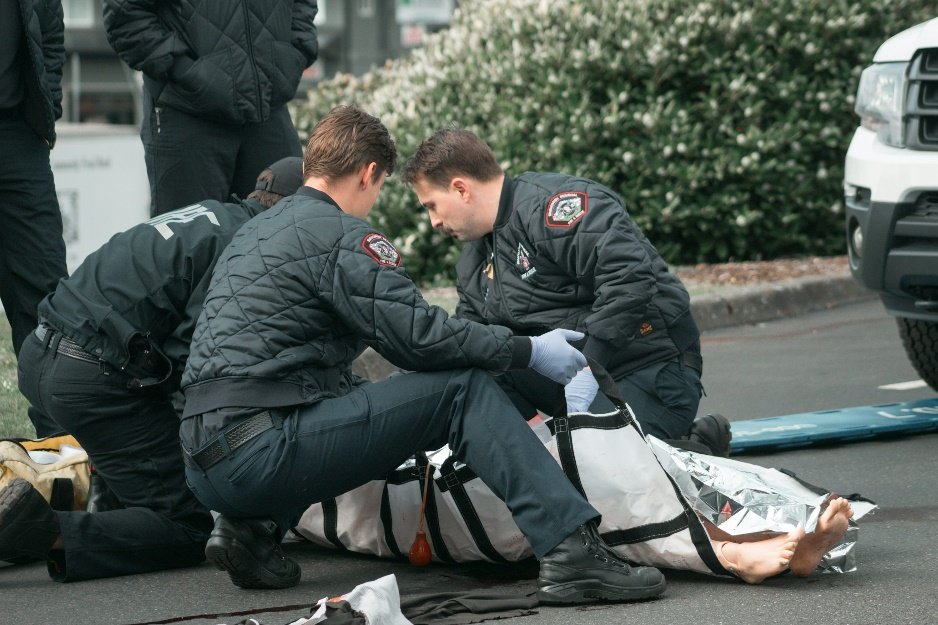
An essential part of this coordination involves ensuring the well-being of everyone present. Organizers collaborate with professionals who specialize in safety protocols, emergency response, and event medical services to prepare for unexpected situations. These integrated measures allow quick and calm responses to any incident, keeping participants and spectators protected throughout the event. When safety and health systems are seamlessly woven into the planning process, attendees feel reassured and can fully enjoy the experience without concern.
This level of preparedness does not happen overnight. Months before the event, planners assess potential risks, identify weak points, and establish strong lines of communication across all teams. Security staff, logistics coordinators, and emergency responders work within a unified framework that ensures everyone knows their role.
Anticipating Challenges Before They Arise
Preparedness is not merely about reacting to problems but about predicting and mitigating them before they occur. Major events involve thousands of moving parts, and even small oversights can escalate into significant disruptions. Weather conditions, equipment failures, or sudden crowd surges can all threaten the smooth progression of an event. To prevent these disruptions, organizers conduct simulations, rehearsals, and risk assessments that help them identify weaknesses in their plans.
For instance, rehearsal drills allow security and emergency teams to practice response procedures in real time, identifying any gaps in communication or timing. Planning teams also analyze the event’s layout to ensure accessibility, proper crowd dispersion, and quick evacuation routes. These preemptive efforts create a sense of readiness that reduces panic during unexpected moments. When teams are well-practiced and confident in their procedures, they can manage even the most unpredictable situations with composure.
Communication as the Cornerstone of Preparedness
No amount of planning can be effective without clear and consistent communication. Communication ensures that all involved parties remain informed, aligned, and capable of responding swiftly. During major events, information must flow seamlessly between organizers, security staff, volunteers, and emergency responders. Miscommunication or delay in relaying instructions can quickly lead to confusion, endangering both participants and spectators.
A well-prepared communication strategy involves both internal and external elements. Internally, teams rely on established protocols that define reporting lines and responsibilities. Externally, communication with attendees plays an equally vital role. Informing the public about safety procedures, entry requirements, and emergency exits contributes to a calm and organized environment. Visual signage, public announcements, and digital alerts all serve to keep attendees aware and reassured.
Training and Human Preparedness
Beyond systems and structures, human preparedness is the most decisive factor in event success. The competence and readiness of staff determine how effectively plans are executed when it matters most. From security officers to volunteers, everyone involved must understand their role and be capable of performing it under pressure.
Training programs that emphasize situational awareness, conflict resolution, and emergency response prepare staff to handle the unexpected with confidence. Such training encourages teamwork and ensures that individuals remain calm and cooperative in challenging circumstances. It also fosters a culture of accountability, where each member recognizes their role in ensuring the safety and satisfaction of attendees. Moreover, preparedness extends to emotional readiness. High-stress environments, large crowds, and unpredictable factors can test even the most experienced personnel.
Safety and Risk Management as a Foundation
The success of any major public event is built upon a foundation of safety. Without proper safety measures, even the most spectacular event can end in chaos. Risk management strategies identify potential hazards and establish clear procedures for avoiding or minimizing them. These include measures such as crowd control barriers, emergency response teams, fire safety equipment, and evacuation plans.
Preparedness also includes planning for health and wellness. Accessible first aid stations, hydration areas, and trained personnel help maintain public safety throughout the event. In large gatherings, even minor health incidents can quickly become serious if not addressed promptly.
The Influence of Preparedness on Public Perception
Attendees often judge an event not only by the performances or attractions but by how smoothly everything runs. An event that feels safe, organized, and well-managed leaves a lasting impression on participants. Preparedness directly influences this perception. When guests see efficient entry systems, organized queues, clear communication, and prompt responses to issues, they associate the event with professionalism and reliability.
Positive experiences translate into long-term benefits for organizers. They encourage repeat attendance, attract sponsors, and strengthen community trust. On the other hand, poorly prepared events can damage reputations quickly. Negative experiences spread easily, and public confidence can take years to rebuild.
Continuous Improvement Through Post-Event Evaluation
True preparedness does not end when the event concludes. Post-event evaluations are essential for identifying lessons learned and areas for improvement. Reviewing the effectiveness of security measures, medical responses, communication strategies, and crowd control systems helps refine future planning. Gathering feedback from staff and attendees provides insights that may not have been visible during the event itself.
Preparedness is the invisible framework that holds every major event together. It shapes not only how smoothly an event unfolds but also how it is remembered by those who attend. Through careful planning, coordination, training, and evaluation, organizers can create environments where safety and enjoyment coexist seamlessly.