Your IT person has been telling you everything’s fine. Systems are running, users can work, nothing’s on fire. Then professional IT consulting services walk in for what you thought would be a routine assessment, and suddenly you’re looking at a list of critical issues that have apparently been lurking in your infrastructure since 2022.
The uncomfortable question nobody wants to ask: how did your internal team miss all of this?
Fresh Eyes See Different Things
It’s not that your internal IT person is incompetent. They’re probably pretty good at what they do. But they’ve been staring at your systems every single day for years, and somewhere along the way, certain problems just became part of the landscape.
When professional IT consulting services come in, they’re not emotionally invested in past decisions. They don’t have to justify why something was set up a certain way three years ago. They just evaluate what’s there right now and whether it meets current standards.
The Normalization Problem
Your IT person knows the file server crashes every Tuesday morning at 9:30 AM. They’ve worked around it. They reboot it Monday night as part of their routine. To them, this is just how that server behaves.
External consultants see that same pattern and immediately flag it as a critical stability issue that needs investigation. What your internal team normalized as “just how it is,” the consultants recognize as a symptom of a deeper problem.
The Skills Gap Nobody Talks About
Most small to mid-sized businesses have one IT person, maybe two. Those people need to be generalists—they handle everything from printer problems to network security to cloud migrations.
Professional IT consulting services, on the other hand, can pull in specialists who focus on specific domains. When they audit your environment, they’re bringing expertise your internal team simply doesn’t have.
Where This Shows Up Most
Security configurations – Your IT person might have set up your firewall based on some online tutorials and what they learned in a certification course five years ago. A security specialist immediately spots the gaps because they work with firewalls and security architectures every single week across dozens of client environments.
Database optimization – Your internal team knows the database is slow sometimes, but they don’t have deep database expertise. A consultant who specializes in database performance can identify exactly why queries are taking 30 seconds when they should take 2 seconds.
Cloud architecture – Your IT person migrated you to the cloud using the default settings and basic configuration. A cloud specialist looks at it and realizes you’re paying three times what you should be because of inefficient resource allocation.
None of these gaps mean your internal team is bad at their job. It means they’re doing a job that requires ten different specializations, and nobody can be expert-level at all of them.
The Documentation That Doesn’t Exist
Here’s something professional IT consulting services almost always find: there’s either no documentation of your environment, or the documentation is so outdated it’s worse than useless.
Your internal IT person knows how everything’s connected because they set it up or they’ve been managing it. That knowledge lives entirely in their head. When consultants ask for network diagrams, system architecture documentation, or disaster recovery procedures, they often get blank stares.
Why This Matters More Than You Think
If your IT person quits, gets sick, or gets hit by a bus tomorrow, how much of your infrastructure knowledge walks out the door with them?
External consultants spot this immediately because they’ve seen it happen. They know what information should be documented and isn’t. Your internal team doesn’t always realize this is a problem because from their perspective, they know where everything is and how it works.
The Vendor Relationship Blind Spots
Your internal IT person has relationships with certain vendors. They’ve been using the same suppliers, the same software, the same service providers for years. These relationships are comfortable and familiar.
Professional IT consulting services aren’t tied to any of those relationships. When they evaluate your technology stack, they’re looking at whether it’s actually the best fit for your needs, not whether it’s what your IT person is comfortable managing.
What Gets Uncovered
- Software licenses you’re paying for but barely using
- Service contracts that made sense three years ago but are now overpriced compared to alternatives
- Hardware refresh cycles that keep getting delayed because “it’s still working”
- Vendor lock-in situations where you could save money by switching but your internal team doesn’t want to deal with the migration
Sometimes the consultant’s recommendations are actually wrong—there might be good reasons for sticking with certain vendors or tools. But at least they’re asking the questions and forcing you to justify the decisions rather than just continuing with what’s always been done.
Security Issues That Hide in Plain Sight
This is probably the biggest category of problems that professional IT consulting services uncover. Not because your internal IT person doesn’t care about security, but because the threat landscape changes faster than most internal teams can keep up with.
Three years ago, certain security practices were considered adequate. Today, they’re glaring vulnerabilities. Your IT person might not even realize standards have shifted because they’re not constantly exposed to the latest threats and best practices across multiple organizations.
Common Discoveries
Administrative access that’s way too broad – Half your staff has administrator rights on their computers because it was easier than dealing with permission requests. Consultants see this as a massive security risk.
Backup systems that have never been tested – Your backups run every night and the logs say “successful,” but nobody’s actually tried to restore anything in two years. Consultants want to test whether those backups would actually work in an emergency.
Outdated security policies – Your password requirements, access controls, and security procedures were fine in 2021. They’re not fine now. Your internal team hasn’t updated them because nothing’s broken.
Unpatched systems – There’s always that one critical application that breaks if you update it, so updates keep getting postponed. Your IT person has been managing around it. Consultants see it as an urgent risk.
The Performance Issues Everyone’s Gotten Used To
Users complain that the system is slow. IT says it’s always been like that. Everyone’s adapted their workflow to work around the sluggishness.
Professional IT consulting services benchmark your performance against what’s actually possible with your hardware and configuration. Suddenly, you discover that “normal” slowness isn’t normal at all—it’s the result of misconfigurations that could be fixed.
The Boiling Frog Effect
Your internal team doesn’t notice the gradual degradation because they experience it every single day. The database that used to respond in 5 seconds now takes 15 seconds, but the change happened so gradually over three years that nobody flagged it as a problem.
Consultants compare your performance against industry standards and similar environments. They can say “this operation should take 3 seconds, not 15, and here’s why it’s slow.”
The Infrastructure That’s Held Together With Digital Duct Tape
Every IT environment has workarounds. Temporary fixes that became permanent. Scripts that run in the background to keep things functioning. Systems that depend on specific sequences or timing to work correctly.
Your internal IT person knows all of these quirks and manages them daily. To them, this is just the environment they maintain.
When professional IT consulting services map out your infrastructure, they see these workarounds as technical debt that’s accumulated over years. Each one is a potential point of failure, and collectively they represent significant risk.
The Wake-Up Call
The consulting report comes back showing that your “stable” environment is actually pretty fragile. Multiple single points of failure. Undocumented dependencies. Workarounds that will stop functioning if a certain person isn’t available to maintain them.
Your internal team knew about these issues individually, but they never added them all up to see the complete picture of accumulated risk. They were too busy keeping everything running day-to-day to step back and evaluate the entire situation.
What This Means for Your Internal Team
Finding out that consultants identified problems your internal IT person missed for years is awkward. It can feel like an indictment of their abilities or their effort.
But it usually isn’t. It’s a symptom of having one person (or a small team) trying to manage complexity that really requires multiple specialists, fresh perspectives, and dedicated time for strategic thinking that internal teams rarely get.
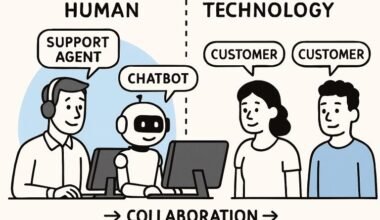
The value of professional IT consulting services isn’t about replacing your internal team. It’s about complementing them with expertise, objectivity, and bandwidth they don’t have. The best outcomes happen when your internal team sees the consulting engagement as support rather than criticism—because those problems didn’t go unnoticed due to incompetence. They went unnoticed because one person can only see so much when they’re buried in daily operations.