Winter brings higher energy bills and heavier use of home heating systems. A furnace works hardest during cold months, and minor issues can quickly become expensive if ignored. Many homeowners assume repairs always require professional intervention, but several simple steps can reduce costs and extend system life. Understanding how a furnace operates helps you spot early warning signs and take action before a breakdown occurs. These practical furnace repair hacks focus on maintenance, efficiency, and prevention. They are easy to follow and require minimal tools. By applying them consistently, you can improve heating performance while keeping winter expenses under control.
One of the most effective ways to save money is through regular inspection. A furnace that runs smoothly uses less energy and reduces the risk of emergency repairs. Listening for unusual noises, checking airflow, and monitoring heating cycles can reveal problems early. If heat output feels uneven or the system switches on and off frequently, it may signal an underlying issue. Addressing these signs promptly prevents further damage. In colder regions, where furnaces operate daily, preventive care is essential rather than optional. These habits form the foundation of cost-effective winter heating.
Replace Filters and Keep Airflow Clear
Dirty air filters are one of the most common causes of furnace inefficiency. When filters clog with dust and debris, airflow becomes restricted. This forces the furnace to work harder to circulate warm air, increasing energy use and wear on internal components. Replacing filters every one to three months can significantly improve performance. Homes with pets or high dust levels may need more frequent changes. This simple task requires little time and delivers immediate results.
Clear airflow also depends on unobstructed vents and ducts. Furniture, rugs, or curtains blocking vents reduce heat distribution. This leads to cold spots and longer heating cycles. Walk through each room and ensure vents are fully open and unobstructed. Dust buildup inside vents should be cleaned periodically. Even small improvements in airflow can reduce strain on the furnace. Over a whole winter, this translates into noticeable savings on energy bills and fewer repair needs.
Seal Leaks and Improve Heat Retention
Heat loss is a major reason furnaces run longer than necessary. Gaps around doors, windows, and duct joints allow warm air to escape. Sealing these leaks helps maintain indoor temperature without extra furnace effort. Weather stripping and caulking are low-cost solutions that deliver strong returns. Inspect areas prone to drafts and seal them before temperatures drop further.
Duct leaks deserve special attention. Cracks or loose connections allow heated air to escape before reaching living spaces. This wastes energy and reduces comfort. Sealing ducts with approved tape or mastic improves efficiency. Insulating exposed ducts in unheated areas also helps retain warmth. These steps reduce the furnace’s workload and extend its lifespan. When combined with routine furnace care, sealing measures can significantly cut winter heating costs.
Adjust Thermostat Settings Wisely
Smart thermostat use plays a crucial role in furnace efficiency. Setting temperatures too high forces the system to run continuously. A consistent, moderate setting maintains comfort while limiting energy use. Lowering the thermostat by a few degrees at night or when the home is empty can reduce heating costs without discomfort. Even small adjustments add up over time.
Programmable thermostats make these changes easier. They allow schedules that align with daily routines. This prevents unnecessary heating and reduces wear on furnace components. Avoid frequent manual adjustments, as constant changes confuse system cycles and reduce efficiency. Instead, choose steady settings that match seasonal needs. Thoughtful thermostat management complements other furnace repair efforts and keeps heating bills predictable throughout winter.
Clean Components and Watch for Warning Signs
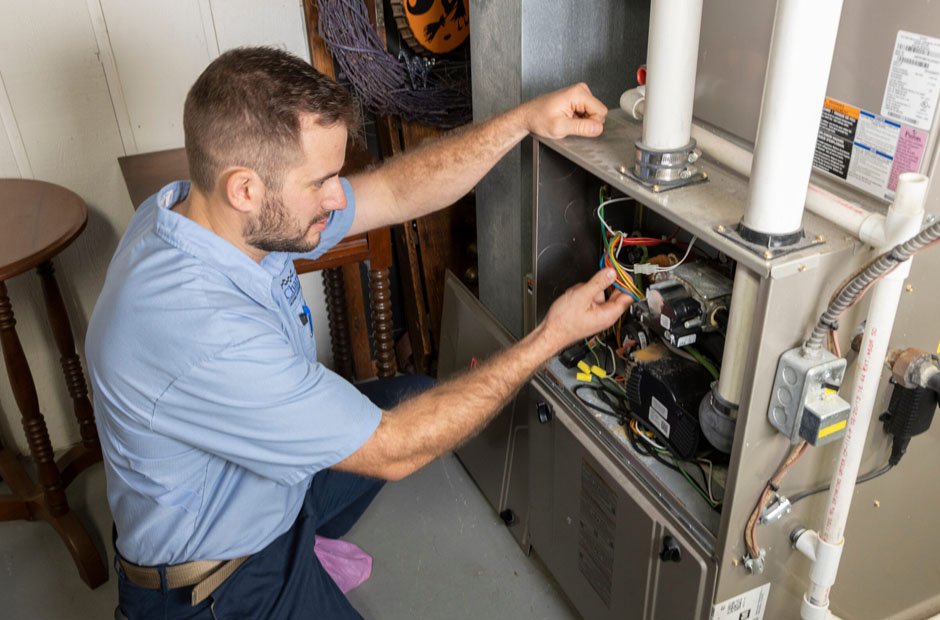
Dust accumulation inside a furnace affects performance. While major internal cleaning should be left to professionals, accessible components can be maintained safely. Keeping the area around the furnace clean prevents debris from entering the system. A clean environment supports proper airflow and reduces fire risk. Regularly inspect visible parts for dust or corrosion.
Pay attention to warning signs such as unusual odours, rattling, or delayed ignition. These often indicate minor issues that can worsen if ignored. Early detection allows timely intervention before costly damage occurs. In some cases, homeowners researching furnace repair in Lebanon, TN, may find that early maintenance prevents emergency service during peak winter demand. Awareness and prompt action are key elements of cost-effective furnace care.
Know When Professional Help Is Necessary
While many furnace repair hacks are safe for homeowners, some tasks require professional expertise. Electrical faults, gas issues, and internal mechanical failures should never be handled without proper training. Attempting complex repairs can increase costs and safety risks. Knowing when to stop is as important as knowing what you can do.
Scheduling a professional inspection before winter begins can uncover hidden issues. This proactive approach often costs less than emergency repairs during extreme cold. A trained technician can fine-tune performance and confirm system safety. Combined with homeowner maintenance, professional support ensures reliable heating all season. By balancing DIY care with expert assistance, you protect both your budget and your home.