Ever wonder about one of the most underutilized tools in addiction recovery?
It’s not a pill. It’s not a new therapy technique. It’s creativity.
Art and music therapy are revolutionizing the way people are approaching sobriety. Creative outlets are giving people ways to express emotions that words can’t reach. Best of all, they actually work.
Here’s the truth: Recovery is hard. Traditional talk therapy is effective for many people. But not everyone is able to articulate the pain they’re feeling. That’s where artistic expression comes in.
In This Guide
- Why Creative Therapies Are Essential in Recovery
- How Art Therapy Can Help with Sobriety
- Music Therapy’s Impact on Addiction Treatment
- Different Types of Creative Therapies
- Getting Started with Artistic Expression
Why Creative Therapies Are Essential in Recovery
Addiction treatment services have changed. While traditional methods are still key, modern recovery programs now often include creative therapies. Blending the two is a more holistic approach that addresses the whole person. Mind, body and spirit.
Think about it this way…
If someone is struggling with addiction, there are usually some deep emotional wounds that have happened. Trauma, shame, guilt… all the kinds of feelings that are difficult to discuss out loud. Art and music therapy provide an alternative path to healing.
One study published by the National Institutes of Health showed that as of 2014, 36.8% of treatment programs in the U.S. offered art therapy as a service. That percentage has been on the rise as more and more facilities recognize the value of creative expression.
Seeking out quality addiction treatment in Virginia or elsewhere that incorporates these creative approaches can make all the difference in long-term recovery success. Programs that use traditional therapy alongside artistic outlets tend to keep people engaged longer.
Engagement is key. After all, someone needs to be engaged enough to continue with recovery and ongoing treatment aftercare.
How Art Therapy Can Help with Sobriety
Art therapy is not about making masterpieces. It is about the process. Creating anything, by any means, can activate the brain in a healing way.
Let’s break it down…
- Emotional release – Painting, drawing or sculpting can help people process difficult emotions
- Self-discovery – Artwork can reveal inner thoughts and patterns people didn’t know they had
- Stress relief – The process itself naturally calms the nervous system
- Confidence building – Completing a piece creates a sense of accomplishment
The science backs this up too. Art making stimulates dopamine release in the brain. This is the same reward chemical that drugs and alcohol hijack in addiction. But with art, the reward is coming from a healthy source.
Pretty powerful right?
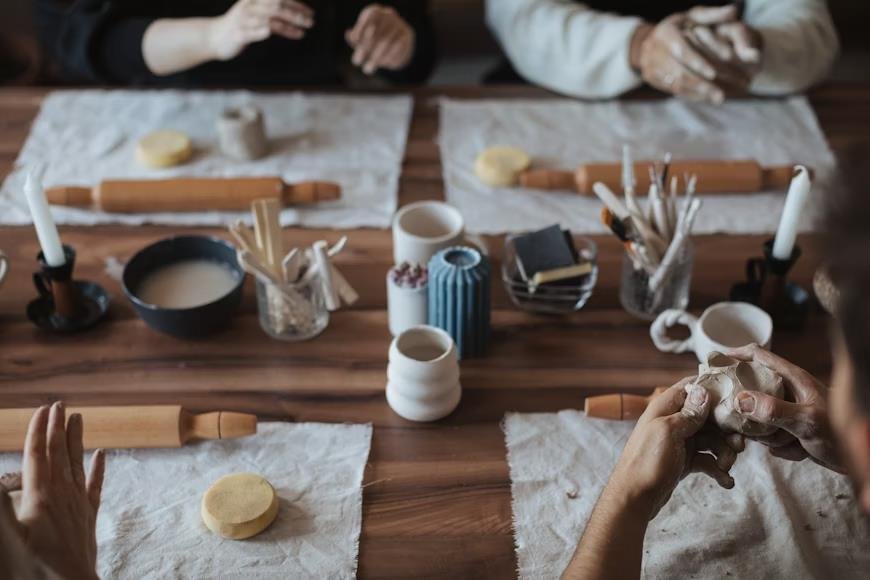
Art therapists work with people in recovery to help them explore these emotions through a variety of mediums. Some pick up a paintbrush. Others prefer clay, collage, or photography. The medium is less important than the expression itself.
Music Therapy’s Impact on Addiction Treatment
Music is different. We all know that feeling we get when a song brings back a memory or changes our mood in an instant.
Music therapy for addiction treatment harnesses that emotional power to help with the healing process. And the results are promising.
One Cochrane systematic review found that music therapy combined with standard care can result in moderate reductions in craving for substances. At the same time, it increased motivation for treatment. That is a game changer for people who are fighting urges every day.
Music therapy in recovery might look like:
- Listening to purposefully chosen songs
- Writing original lyrics
- Playing instruments (no experience necessary)
- Drumming in a group circle
- Discussing the meaning of songs
The beauty of music therapy is that no musical experience is necessary. Anyone can participate and reap the benefits.
Music also helps with building community. Group sessions can form bonds between people who share an understanding of each other’s struggles. This becomes a support system that can last long after treatment.
Different Types of Creative Therapies
Creative therapies are more than just art and music. Modern addiction treatment services offer a wide variety of artistic outlets. And each one serves a unique role in the recovery process.
Visual Arts
Painting, drawing, sculpture, and photography fall into this category. Visual arts help people to externalize their internal experiences. Putting emotions down on paper or canvas makes it easier to process.
Music Therapy
Beyond just listening to music, this includes active participation. Drumming circles are especially popular since no prior skill is required. The rhythm itself can become a meditative practice.
Dance and Movement
Trauma is stored in the body. Movement therapies can help to release the physical tension that is associated with emotional pain. This form of therapy works well for those who struggle with sitting still in traditional therapy sessions.
Writing and Poetry
Journaling has always been a part of recovery. Structured writing therapy can take this further. Poetry and other creative writing forms allows for metaphor and imagery that bare journaling can miss.
Drama Therapy
Role-playing and improvisation are used to help people practice difficult conversations. This can then help to build real world skills for triggering situations that could cause relapse.
Getting Started with Artistic Expression
If you aren’t sure where to start, don’t worry. It is completely normal to feel that way.
The best advice? Start small. No one is expecting gallery-worthy paintings or concert-level performances. The goal is to express and release, not to create perfection.
Try some of these ideas to incorporate creativity into recovery:
- Keep a sketchbook and doodle every day (stick figures count)
- Create playlists of songs that represent different emotions
- Try adult colouring books
- Write three things every morning without editing
- Listen to a new genre of music outside your comfort zone
Many treatment centres are now offering structured creative therapy sessions. These are led by therapists that are trained in both addiction and artistic expression. They are skilled at guiding people through the process in a safe way.
Outpatient treatment or aftercare participants can find community art classes and music groups that can provide similar benefits. The creative community is often very welcoming and supportive.
Wrapping It All Up
Artistic expression provides something unique for addiction recovery. It reaches areas that words cannot touch. Music, art, and other forms of creative outlets provide healthy ways to process trauma, reduce cravings, and build new neural pathways.
The numbers show that creative therapies work. More and more treatment programs are adding them every year. And people in recovery are finding new ways to express themselves and heal.
Recovery is not one size fits all. Some people respond better to talk therapy. Others need to grab a paintbrush or sit behind a drum kit. The important thing is to find what works.
Creative expression is not a cure for addiction on its own. But combined with comprehensive treatment, it can be a powerful tool for the journey toward lasting sobriety.
Consider exploring creative therapies as part of a recovery plan. The canvas is blank. The instrument is waiting. Healing can begin.