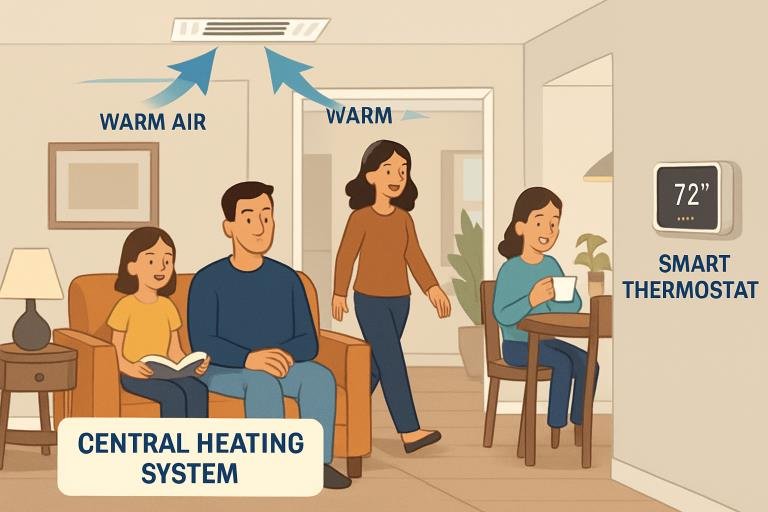
As more homeowners prioritize both comfort and efficiency, advanced central heating systems are quickly becoming the top choice for modern households. These innovative systems use the latest technology to create an environment that is warm, efficient, and sustainable for years to come. By choosing a split heat pump, homeowners can enjoy targeted heating, reduce their energy consumption, and significantly enhance their comfort—without the waste associated with traditional systems.
Advanced central heating options offer much more than just warmth during colder months. They provide long-term cost savings, increase property value, and allow for integration with smart home technology, making them a future-ready solution for energy-conscious families. As you consider an upgrade, learning about these systems will help you make an informed decision that matches your financial and environmental goals.
Energy Efficiency and Cost Savings
One of the most enticing features of modern central heating systems is their focus on energy efficiency. High-efficiency gas and electric furnaces, as well as heat pumps, consume less energy compared to older models. For example, newer high-efficiency furnaces can achieve annual fuel utilization efficiency (AFUE) ratings of 90% or higher, resulting in direct savings on monthly heating bills. According to the U.S. Department of Energy, switching to an ENERGY STAR-rated system can reduce energy consumption by up to 15% for the average household.
Another significant advantage is the precision and adaptability offered by advanced systems. Many feature smart thermostats and modulating burners, which adjust output based on the specific heating needs of your home, preventing needless energy waste.
Enhanced Home Comfort
Today’s central heating systems offer exceptional comfort through innovations like zoned heating and variable-speed blowers. These features ensure that every corner of the house can be maintained at an ideal temperature, virtually eliminating troublesome cold spots and temperature fluctuations. Many systems also come with air filtration and humidity control, bringing cleaner, more breathable air inside while offering a cozy environment all year round.
Modern units are engineered for quiet operation. Insulation materials, redesigned fans, and improved system layouts have all contributed to a noticeably quieter experience—a particularly important factor for homes with open floor plans or small children.
Environmental Impact
Advanced heating systems play a crucial role in reducing environmental impact. By leveraging improved efficiency and cleaner energy sources, such as electric heat pumps and gas condensing furnaces, these systems lower both direct fuel usage and greenhouse gas emissions. Homeowners switching to greener heating options can make a substantial contribution toward combating climate change—especially considering that home heating and cooling account for a significant share of residential energy use in North America.
Additionally, some options use environmentally friendly refrigerants, further decreasing their ecological footprint. You’ll find more guidance on how heating advancements affect the environment on reputable sites, such as the NRDC.
Increased Home Value
An upgraded central heating system can significantly enhance a home’s market appeal and resale value. Prospective buyers are increasingly savvy about energy costs and are likely to prefer homes with new, efficient systems over those needing major upgrades. In many cases, a newly installed advanced system can increase asking prices and help homes sell more quickly. Larger renovation projects, such as replacing an entire heating system, can also be a visible sign of care and investment in the property, which helps buyers feel more confident in their purchase.
Smart Technology Integration
Modern central heating systems often come paired with, or are compatible with, various smart home technologies. Smart thermostats, such as Google Nest or Ecobee, not only give homeowners remote control of their home heating via apps and voice assistants, but also adapt to family routines—learning preferred schedules and optimizing energy use accordingly. This convenience not only maximizes comfort but also can lead to further incremental savings over time. Integration with home automation platforms unlocks advanced features, such as maintenance reminders and energy reports, right at your fingertips.
Reduced Maintenance Needs
Modern heating systems are designed to deliver long-lasting performance while minimizing maintenance requirements. Advances such as corrosion-resistant coatings on critical components, durable motors, and enhanced diagnostic capabilities contribute to greater reliability and fewer unexpected breakdowns. Many contemporary systems feature self-monitoring technology that continuously tracks operating conditions and alerts homeowners—or their service technicians—to potential issues before they escalate. This proactive approach not only prevents inconvenient system failures but also helps avoid expensive emergency repairs. As a result, homeowners benefit from smoother operation, extended equipment lifespan, and reduced maintenance costs, making modern heating systems a more efficient and worry-free investment for long-term comfort and peace of mind.
Government Incentives and Rebates
Upgrading to a high-efficiency heating system has become increasingly attainable due to a range of government incentives and rebate programs designed to promote energy conservation. Many federal, state, and provincial initiatives provide financial support to homeowners who invest in energy-efficient heating solutions, helping to offset the upfront costs of installation. These programs not only make modern, eco-friendly systems more affordable but also encourage long-term savings through reduced energy consumption and lower utility bills. Homeowners can explore eligibility requirements, rebate amounts, and application processes by consulting official government resources or trusted sources, such as Forbes Home Improvement, to ensure they maximize available financial support for their energy-efficient upgrades.
Conclusion
Investing in a modern central heating system offers homeowners numerous advantages that extend beyond simply warming their homes. Advanced systems deliver significant energy savings, reduce utility costs, and create a quieter, more comfortable living environment. Many models include features such as remote operation, programmable schedules, and enhanced air filtration, which improve convenience and indoor air quality. Additionally, using energy-efficient heating solutions contributes to environmental sustainability by lowering carbon emissions. Some installations may also qualify for government incentives or rebates, which can further offset the costs. Beyond immediate benefits, upgrading to a state-of-the-art system can increase property value while offering long-term comfort, efficiency, and reliability for years to come.