Laser eye surgery, such as LASIK and PRK, has reshaped the future of vision correction, enabling millions to achieve clearer sight without glasses. Despite its popularity and advancements, potential patients should be aware of the associated risks. A full understanding of laser eye surgery errors and possible complications is crucial before making a decision. Although most individuals experience positive results, laser vision correction remains a medical procedure with potential side effects and rare but significant risks.
Patients are encouraged to consult with ophthalmologists and consider all benefits and risks, especially if they have underlying eye conditions. Choosing laser surgery is a significant decision that affects one’s quality of life. Being informed about the risks—and knowing where to turn if complications arise or if the procedure isn’t as expected—is part of a responsible approach to eye health.
Common Side Effects
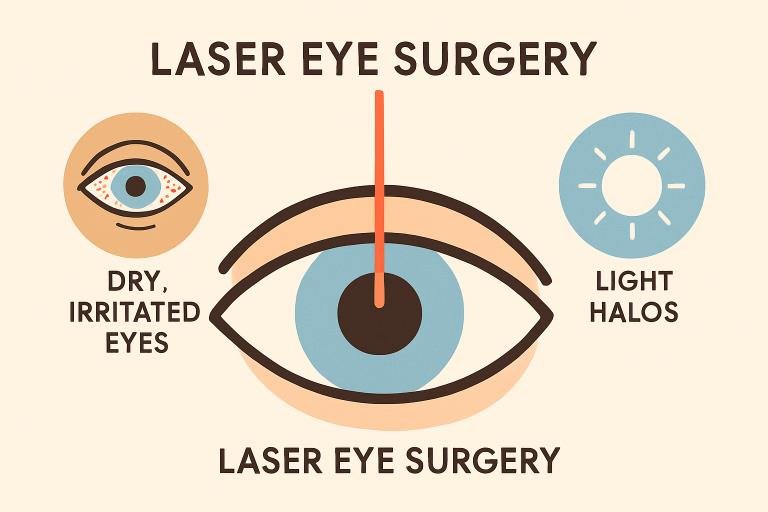
Short-term side effects commonly experienced after modern laser eye surgery include dry eyes and visual disturbances. Patients may experience dryness, burning, or irritation, which can persist for several weeks to several months, with some individuals experiencing a longer duration. Visual disturbances such as night glare, halos, and starbursts around lights are also prevalent in the weeks following the procedure and may persist in rare cases. To manage these effects, patients are advised to use artificial tears, follow the surgeon’s aftercare instructions, and attend post-operative appointments, as nearly everyone experiences some mild symptoms, according to the American Academy of Ophthalmology.
Serious Complications
Some uncommon adverse outcomes in eye surgeries pose significant risks to vision and eye health. Key risks include infection, which can lead to permanent vision loss if not promptly addressed; flap complications in LASIK procedures, such as displacement or irregular healing that may necessitate further surgery; and corneal ectasia, a severe condition where the cornea thins and bulges, potentially worsening vision despite treatment options like corneal cross-linking. Immediate medical attention is essential for acute pain, changes in vision, or any unusual symptoms that occur following surgery.
Long-Term Risks
For most patients, initial symptoms after eye surgery diminish within months; however, a minority continue to face persistent issues. Chronic dry eyes may lead to significant discomfort, affecting overall quality of life and potentially necessitating regular use of prescription eye drops or other treatments. Additionally, patients may experience vision regression, where their eyesight may revert to a closer approximation of the original prescription, which may require the use of glasses, contact lenses, or retreatment. It is crucial to understand these risks and maintain realistic expectations with an ophthalmologist, as ongoing follow-up appointments are essential for monitoring eye health and addressing any emerging problems.
FDA Guidelines and Recommendations
The U.S. Food & Drug Administration (FDA) recommends that all potential patients be provided with comprehensive information about the risks associated with laser eye surgery. This includes the possibility of prolonged dry eye symptoms, double vision, visual aberrations in low-light conditions, and difficulties with nighttime driving. Patients should receive a written checklist to review prior to surgery, ensuring that they have considered and understood each possible complication. The FDA’s intent is to facilitate well-informed decisions, elevate care standards, and protect consumers from unexpected outcomes.
Choosing a Reputable Clinic
Where you undergo your procedure is as important as the procedure itself. Accredited clinics follow strict safety protocols and employ skilled ophthalmologists, thereby greatly reducing the risk of complications. Verify the clinic’s credentials through national ophthalmic organizations, such as the American Board of Ophthalmology or similar recognized groups, before scheduling surgery. Avoid facilities that cannot demonstrate their accreditation or refuse to disclose complication rates and safety records.
Patient Experiences
Real-world outcomes vary. While most patients achieve desirable results, some report persistent pain, vision disturbances, or dissatisfaction. Online forums, advocacy groups, and professional reviews can offer valuable insights, but patient-doctor discussions remain the most reliable way to understand what’s typical and what’s rare. Learning from both positive and negative experiences helps people maintain realistic expectations and ask the right questions before surgery.
Conclusion
Modern laser eye surgery is generally safe and delivers life-changing results for many, but it’s essential to approach it fully informed. Consider the risks, discuss expectations openly with a trusted ophthalmologist, and select a reputable clinic for the best potential results. If complications occur, understanding your legal and medical recourse can provide some reassurance.