Art therapy is revolutionizing addiction treatment facilities everywhere.
For decades, substance abuse programs struggled to find the right formula for recovery. The right mix of talk therapy and group work and medication assisted treatment. But millions of people remained stuck in cycles of addiction they couldn’t escape.
Until now…
If you’ve struggled to recover from drug or alcohol addiction, you know how frustrating that feeling is. You try everything you’re supposed to and yet you still relapse time and time again.
But what if the missing piece to your recovery was art?
There’s a good reason that art therapy is spreading to rehab facilities all over the country.
Words only go so far. Sometimes trauma is too deep to articulate. Memories you’ve tried to forget for years will still find a way to torment you – even during talk therapy.
That’s why many addiction recovery programs are turning to creative arts to treat the whole person.
In this article you’ll learn
- How Creating Art Helps your Brain Recover
- Why Talk-Only Therapy Falls Short
- Art Allows you to Process Trauma
- Types of Creative Arts Used in Recovery Today
- How to Choose the Right Treatment Program
How Creating Art Helps your Brain Recover
Believe it or not, art therapy has some seriously science-backed results.
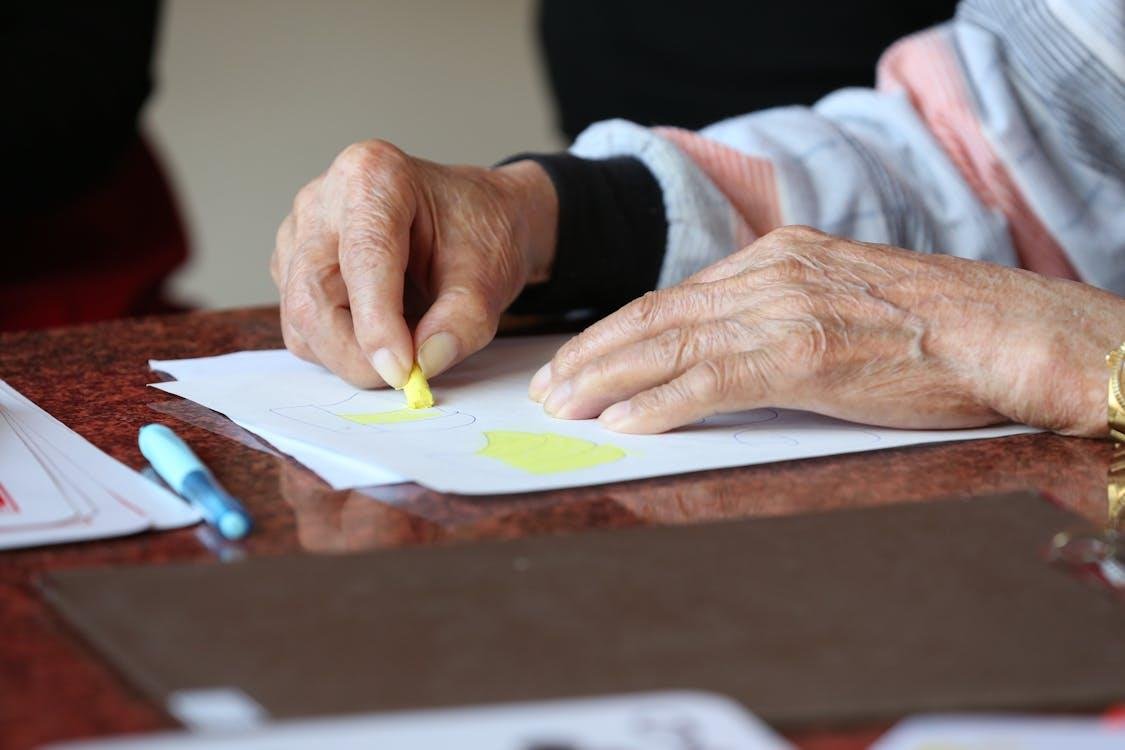
When you create art – whether that be drawing, painting, sculpting, or any other medium – your brain produces dopamine. Dopamine is a neurotransmitter responsible for making you feel reward and pleasure.
Sound familiar?
Drug addiction works because it artificially stimulates those dopamine receptors. Certain therapies can help you regain control over your neurotransmitters.
Creating art provides an outlet for you to produce more dopamine naturally. It gives you something healthy to trigger those receptors.
One recent study published in Frontiers found that art therapy stimulated neural networks associated with PTSD and trauma. Recovering addicts have higher rates of traumatic experiences than the general population. PTSD can cause feelings you don’t know how to process.
Art allows those memories to come to the surface.
Speaking to a counselor is one way to process your trauma. But what if you don’t know how to verbalize those memories? That’s where art can come in.
Facilities like the New Jersey detox center at Rolling Hills Recovery Center understand that recovery requires a multi-faceted approach.
It’s amazing, really.
Your brain doesn’t process creative activities the same way you process talking. If trauma plays a role in your addiction, art therapy can help you uncover it.
Why Talk-Only Therapy Falls Short
Let’s get real for a moment…
Not everyone is going to open up to a complete stranger about their feelings. Talk therapy works for some. But not for others.
Some people freeze up when put on the spot. Others are too ashamed to put their feelings into words.
But here’s the kicker…
Approximately 55% of people with substance abuse disorders have some sort of brain damage or cognitive deficit. Creating art has been shown to benefit people who have verbal deficits.
Art therapy gives them another way to communicate their emotions.
There’s also another issue with relying solely on talk-based therapies:
Most people don’t recover from addiction the first time they try. Many go through cycles of rehab several times before they stick. The problem is that the same stuff they tried before isn’t going to work any better the third or fourth time around.
But what if there was another way?
A way to overcome addiction that doesn’t involve druglessly sitting in a circle and talking about your feelings? A way to process trauma you didn’t know you had?
That’s why more and more treatment centers are offering creative therapy.
Art Allows you to Process Trauma
The thing about trauma is…
Trauma and addiction often go hand in hand. Whether you’re struggling with drugs or alcohol, there’s likely a traumatic experience that contributed to your addiction.
You may have started using to self-medicate your feelings. To numb painful memories or emotions you weren’t strong enough to face.
But in order to recover you have to process those traumas.
Art puts you in control. There’s no pressure to “say the right things.” You don’t have to worry about someone judging the emotions you release on paper.
When you create, you allow yourself to:
- Release emotions you didn’t know you had
- Work through past trauma
- Learn more about yourself
- Discover healthy coping mechanisms
- Feel good about yourself again
One study found that people with PTSD felt significantly more relaxed after art therapy.
They experienced less negative behaviors and displayed more appropriate emotional reactions.
This matters because trauma can easily lead to relapse.
Art gives you a way to dig up those buried emotions and finally heal from them.
Types of Creative Therapies Used in Recovery Today
Painting and drawing aren’t the only kinds of art therapy.
Drug and alcohol recovery centers these days are thinking outside of the box to better serve the people they work with. Everyone is different. Not everybody is going to connect with paint and a canvas.
You may find your outlet through other methods of art therapy.
Some of the most common therapy styles include:
- Painting
- Drawing
- Sculpture
- Clay work
- Collage
- Music therapy
- Drama
- Movement
- Writing
- Photography
A recent study by PMC found that around 36.8% of rehab centers offered art as therapy. The study also indicated that treatment facilities with higher female populations were more likely to offer art.
The variety of therapy styles is important when it comes to art. Not every painter will connect with their paintbrush. You may find yourself somewhere else on this list.
The good news is these therapies work in conjunction with traditional treatment methods.
They don’t replace proven techniques. Instead, they enhance the experience.
How to Choose the Right Treatment Program
So how do you know if art therapy is right for you?
There’s no one way to recover from addiction. A good treatment program will offer many different methods that can be personalized to you. One style of therapy isn’t going to heal your mind, body, and spirit.
Look for treatment centers that offer:
- A combination of traditional treatment methods and art therapy
- Certified art therapists on staff
- Individualized treatment plans
- Trauma informed approaches to care
- Ongoing support
Addiction treatment is evolving to become more holistic than ever before. Recovery affects every part of who you are. A comprehensive program will address all of your needs.
Including your creative side.
Don’t underestimate the power of art.
Wrap Up
Art therapy is taking the rehabilitation world by storm.
There’s evidence that proves it works. Recovery centers around the country are seeing the benefits that art can have on recovery. Don’t hesitate to try something new if you’re struggling with addiction.
Everyone is different, and that means how you recover will be too.
Some people will find recovery through group talks. Other’s will paint their way to sobriety. At the end of the day, the best programs know this and offer a variety of treatments.
So if you or someone you love is struggling with addiction, don’t knock art until you try it.
It could speak to you more than you think.
The canvas. The clay. The music. Healing doesn’t always have to look the way you think it should.
Sometimes it looks like painting your soul back to life.