Ever walked into a beautifully designed home that somehow still felt… off? Maybe the faucet dripped. Or the HVAC wheezed like it was on its last breath. Design gets the Instagram likes, but it’s home maintenance that keeps a place truly livable, healthy, and, frankly, worth the mortgage.
In an era obsessed with aesthetics—from TikTok-perfect kitchens to Pinterest-level pantries—it’s easy to forget that beauty fades fast without a solid maintenance routine backing it up.
The Problem with Pretty
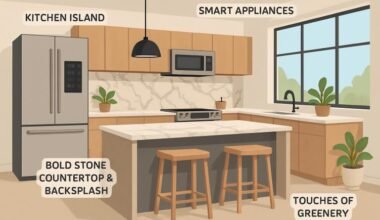
Design trends move fast. Shiplap was in, then it was out, then Joanna Gaines brought it back, and now it’s clinging on by a thread. While aesthetic decisions give a home its personality, they often prioritize style over function. You can have a minimalist kitchen with glossy white cabinets, but if the plumbing behind it is outdated, you’ll be boiling pasta in bottled water before long.
More concerning is how the obsession with surface-level perfection distracts from what lies beneath. HGTV-style renovations might wow viewers, but those 30-minute transformations rarely show you the post-makeover roof leak, or the peeling caulk that leads to mold. Design gives the illusion of order and quality, but maintenance ensures it’s real.
Filters, Faucets, and Function
Homeowners often invest thousands into flashy upgrades—heated floors, marble countertops, gold hardware—without considering the mechanics behind them. That sleek, modern bathroom won’t mean much if your water pressure is lower than a leaky garden hose.
Consider the upkeep of a backyard pool. A high-performance Pentair pool filter may not be as visually striking as a custom stone patio, but it quietly does the hard work of keeping your water crystal-clear, free of debris, and safe for swimmers. Let it fail—or worse, neglect to maintain it—and suddenly your glamorous pool is a green, mosquito-infested swamp. The irony? Guests will notice the algae faster than your new poolside furniture.
This disconnect—between what we show off and what we sustain—is where many homeowners run into problems. It’s easier to justify a new dining room light fixture than to pay for attic insulation or a new sump pump. Yet the latter is far more likely to impact your day-to-day life (and wallet).
Instagram vs. Infrastructure
Social media has warped our relationship with our homes. Platforms prioritize the “after” of a renovation, not the months of dust, invoices, and late-night panic Googling that led up to it. What we see is perfection, but what we don’t see is the maintenance log—or lack thereof—that determines whether that perfection sticks around.
This trend isn’t just aesthetic; it’s economic. Homeowners are increasingly opting for DIY upgrades because they’re cheaper and look good on camera. Peel-and-stick wallpaper? Great. But if that same wall has moisture damage behind it, no amount of florals is going to stop it from buckling.
The broader societal issue is this: we’ve started to see homes not as long-term investments or places of refuge, but as content. Spaces for storytelling. Props, not foundations. And when homes become props, maintenance becomes a backstage issue—out of sight, out of budget.
Maintenance is Wealth Protection
A well-maintained home is a financially smarter home. Preventive maintenance doesn’t just save money—it preserves property value. Realtors know this. That’s why listings mention “new roof” or “upgraded HVAC” before they mention shiplap walls.
Deferred maintenance has real costs. The National Association of Realtors estimates that every $1 in delayed maintenance can lead to $4 in future repair costs. Think of it like dental care. Skip the cleanings, and you’ll be shelling out for a root canal.
Moreover, as climate change drives more extreme weather, maintenance becomes even more crucial. Gutters cleared of leaves can prevent basement flooding. Reinforced window seals can lower energy bills during increasingly brutal winters. These aren’t sexy upgrades, but they’re lifesavers—financially and physically.
Design Ages, Maintenance Matures
That Moroccan tile might make a splash now, but give it five years and it could look dated. Meanwhile, well-maintained hardwood floors or an efficient HVAC system only grow in value. Maintenance, unlike trend-driven design, appreciates.
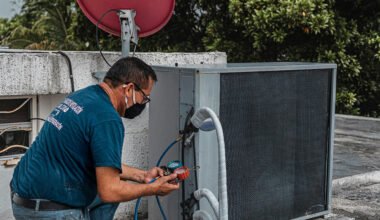
This doesn’t mean design is irrelevant. A well-designed home can support better maintenance. Open layouts make it easier to move large equipment or spot water damage early. Smart home tech can notify you of leaks, filter changes, or air quality issues before they become emergencies. In this way, design and maintenance don’t have to be rivals—they can (and should) collaborate.
But when design leads and maintenance lags, homeowners often end up paying twice: once for the upgrade, and again to fix what that upgrade ignored.
The Cultural Shift Toward Longevity
There’s a broader cultural undercurrent here: the move toward sustainability and long-term thinking. From fashion to food, Americans are slowly realizing that durability beats disposability. Homes are no exception.
Younger homeowners—particularly Millennials—are beginning to look beyond surface-level trends and prioritize energy efficiency, durability, and climate resilience. These are not Instagrammable traits, but they are meaningful ones.
In many ways, home maintenance is the original sustainability practice. It’s about extending the life of what you already have. It’s anti-waste. It’s pro-future. And in a time when the price of everything is rising—groceries, insurance, interest rates—protecting your home’s infrastructure isn’t just smart. It’s essential.
Time Is the Ultimate Designer
Finally, there’s something poetic about a well-maintained home. It wears its years proudly. It creaks in familiar ways. It holds history in its walls—not because it was perfectly designed, but because it was consistently cared for.
Design may dazzle in the short term, but maintenance is what tells a home’s story over decades. It’s the difference between a house that looks good for a few years and one that stays safe, warm, and welcoming for generations.
So yes, buy the backsplash. Hang the art. Paint the walls that dreamy shade of sage green. But check the furnace. Flush the water heater. Clean the gutters. Your house deserves a little less Pinterest and a little more TLC.
Because at the end of the day, home isn’t a photoshoot. It’s where real life happens—and real life needs upkeep.