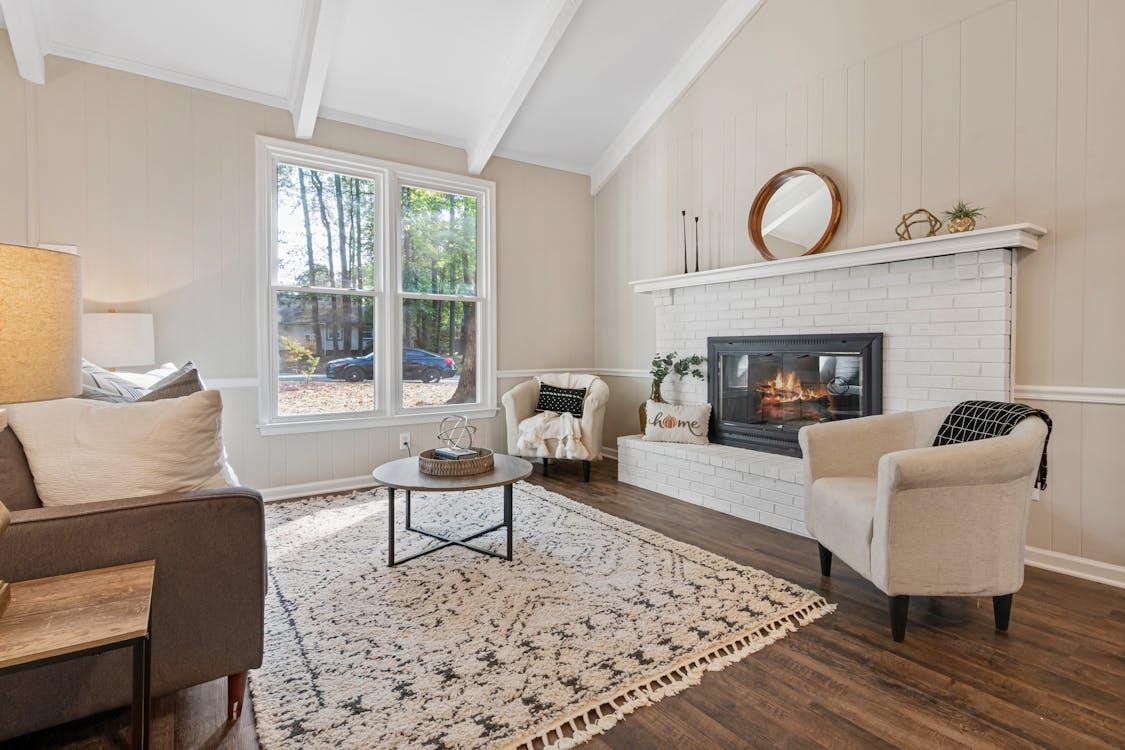
Spending long hours at home has slowly redefined how spaces are used and noticed. Rooms that once sat quietly during the day now stay active from morning through night. Light, temperature, sound, and privacy feel present at all hours. Windows also serve a crucial purpose here, even though they rarely draw attention on their own. Their position, size, and features quietly guide how comfortable a space feels during extended indoor time.
Daily routines no longer follow a single pattern. Work, rest, and personal time often overlap, which places new expectations on the home environment. Windows influence how steady the space feels during long days, shaping focus, rest, and comfort without adding visual noise. Thoughtful window planning supports this ongoing use in a way that feels natural rather than forced.
Steady Temperatures
Long stretches indoors make temperature changes easier to notice. Cool drafts near seating areas or warm spots near doors can interrupt comfort across rooms used for work, rest, hobbies, and daily tasks. Insulation around windows plays a quiet role in keeping indoor temperatures consistent throughout the day. Proper sealing limits unwanted air movement and helps maintain a calm indoor atmosphere.
Windows and doors function together as part of the same system. Frames, seals, and installation quality influence how well insulation performs over time, which is why hiring window and door experts matters. Professional window and door installers understand how to create tight connections around both windows and doors, supporting steady indoor conditions without constant adjustments. Careful installation supports comfort during extended home use without drawing attention to the work itself.
Light Control
Natural light affects how spaces feel during early mornings and later evenings. As schedules stretch beyond traditional hours, managing brightness becomes part of daily comfort. Windows that allow flexible light control support focus during active hours and calm during quiet ones. Simple adjustments help spaces stay usable without feeling overstimulating.
Shades, glazing choices, and window placement work together to shape how light enters a room. Control over daylight allows residents to maintain a comfortable atmosphere across shifting routines. Balanced light supports productivity and rest while keeping indoor spaces welcoming throughout the day.
Dust Control
Spending long hours at home makes dust easier to notice. Fine particles settle on surfaces faster in rooms used throughout the day, especially near windows. Gaps in window seals allow outdoor dust to enter quietly, adding to daily cleaning and affecting overall comfort. Tighter window sealing helps limit how much dust moves indoors during regular airflow and temperature changes.
Well-sealed windows support a cleaner indoor environment without altering how rooms feel or function. Reduced dust movement supports air quality and keeps frequently used spaces feeling calmer and easier to maintain. Over time, consistent sealing helps reduce buildup on furniture, floors, and work surfaces during extended home use.
Window Security
Spending extended time at home naturally increases awareness of safety. Windows serve as both access points and protective barriers, making their security features important during long indoor hours. Strong locks and durable frames support peace of mind without changing daily routines.
Well-secured windows allow residents to focus on work, rest, and family time without distraction. Security upgrades can be subtle, supporting safety while keeping the home feeling open rather than closed off. Confidence in window strength supports a calm living environment.
Visual Privacy
Privacy takes on new importance during long periods at home. Work calls, personal moments, and rest hours all benefit from visual separation from the outside. Windows can support privacy while still allowing daylight to fill the room.
Glass finishes, window placement, and coverings help manage sightlines without darkening interior spaces. Rooms feel comfortable and personal while maintaining a connection to natural light. Thoughtful privacy solutions support daily life without making spaces feel enclosed.
Odor Control
Outdoor odors can travel indoors through small openings around windows. Cooking smells from nearby buildings, traffic fumes, or seasonal outdoor scents may linger inside during long periods at home. Window sealing plays a role in limiting how these odors enter living spaces, especially in rooms used for work, rest, or meals.
Tighter seals help maintain a neutral indoor atmosphere throughout the day. Living areas feel steady and comfortable without unwanted outdoor scents drifting inside. This supports a more controlled home environment that feels consistent during long hours indoors, regardless of outdoor activity or conditions.
Energy Balance
Extended time at home increases daily energy use in quiet ways. Lighting stays on longer, devices run throughout the day, and heating or cooling systems respond to constant activity. Windows influence how hard those systems work. Well-fitted windows help maintain a stable indoor environment, which supports steady energy use during long hours inside.
Glass quality, seals, and frame construction all affect how heat and air move through a home. Windows that limit heat transfer support indoor comfort without placing extra demand on mechanical systems. All in all, this balance supports a calmer living environment and a home that feels purposeful during full days of use.
Accessible Design
Daily interaction with windows becomes more noticeable during extended home use. Opening, closing, locking, or adjusting windows should feel natural and comfortable across different rooms. Window height and reach affect how easily residents engage with their space throughout the day.
Thoughtful placement supports independence and ease of use. Smooth operation and reachable controls allow windows to remain functional parts of daily routines rather than overlooked features. Accessibility-focused design supports comfort and confidence during long stretches at home.
Sleep Alignment
Sleep schedules vary widely across households. Some days begin early, while others extend into late evenings. Windows influence how rest spaces feel during those shifts. Light control, sound reduction, and airflow all contribute to a bedroom environment that supports consistent rest.
Window features that support calm lighting and quiet surroundings help maintain restful spaces regardless of daily timing. Bedrooms remain adaptable and comfortable as routines change. Thoughtful window choices help support healthy rest patterns during extended time indoors.
Long hours at home highlight the quiet influence windows have on daily life. Comfort, light, privacy, security, and usability all connect to how windows function across different spaces. Thoughtful window choices support manageable routines and adaptable living without drawing attention away from the home itself.