Maintaining your water heater is more than just a routine chore; it is an investment in your comfort and home efficiency. A well-maintained water heater ensures a reliable supply of hot water, reduces energy bills, and extends the life of your appliance. Tackling preventive care keeps costly repairs at bay, and for those unexpected issues, the Dallas water heater repair and replacement pros offer expert guidance and service for every need. Performing regular checkups yourself is straightforward and leads to less hassle over time.
Neglecting maintenance can cause accumulated sediment, corrosion, or mechanical failures, which translate into lukewarm showers or even water damage. Homeowners who proactively care for their water heaters enjoy peace of mind, often catch small issues before they become emergencies, and notice greater efficiency. By following a few key steps consistently, you can keep your water heater running smoothly for years to come.
Regular Inspections
Setting aside time every couple of months to visually inspect your water heater is a simple step that can highlight warning signs early on. Some common issues to look for include:
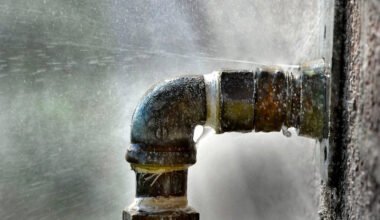
- Leaks in pipes or from the tank’s base, which can indicate faulty seals or corrosion
- Aged or cracked gaskets and loose connections that may need tightening or replacement
- Corrosion or rust on the tank or attached plumbing is a sign that the internal components may be deteriorating
Taking a quick look at these components ensures nothing slips past your watch and allows you to act quickly if something is amiss.
Flushing the Tank
Most water heaters will accumulate sediment at the bottom of the tank over time, which can reduce heating efficiency and cause damage to the heating element. Flushing the tank once or twice yearly helps remove this buildup. To safely flush your tank, follow these steps:
- Turn off the heater’s power (for electric models) or gas supply (for gas models).
- Shut off the cold water inlet valve to prevent new water from entering.
- Attach a garden hose to the drain valve and run it to a suitable drain or outside area.
- Open the drain valve and let the water flow until it runs clear, carrying unwanted sediments with it.
- Close the valve, remove the hose, turn the water supply back on, and restore power or relight the pilot as appropriate.
You can find more details and safety precautions in guides from trusted sites like Allstate’s drain guide.
Checking the Anode Rod
The anode rod is crucial for preventing tank corrosion by attracting minerals and corrosive elements in the water. Most manufacturers recommend inspecting the rod every three to five years and replacing it if more than six inches of the core wire is exposed, the rod is coated with calcium, or it has simply worn away. Replacing a depleted anode rod can significantly lengthen the lifespan of your water heater and delay major repairs.
Testing the Temperature and Pressure Valve
The temperature and pressure (T&P) relief valve is a key safety mechanism that prevents your tank from dangerously high pressure. Test this valve at least once a year by placing a bucket under its discharge pipe, then lift the valve lever briefly to let some water escape. The lever should snap back, and the flow should stop; if it does not, replace the valve to prevent possible leaks or tank ruptures.
Insulating the Heater
Insulating the water heater and the first few feet of surrounding pipes reduces heat loss and helps keep the water hot for longer. Use a pre-cut water heater insulation blanket, taking care not to cover essential elements like the thermostat, control panels, or burner access panels. For pipes, foam sleeves work well to maintain consistent temperatures and cut energy costs, especially in cold climates.
Adjusting the Temperature
Most water heaters are set higher than necessary from the factory. Adjusting the thermostat to 120°F (49°C) provides enough hot water for daily needs while reducing the risk of scalding and saving on energy bills. Avoid setting temperatures below this, as it may allow bacteria like Legionella to grow inside the tank.
Professional Maintenance
Certain water heater upkeep tasks go beyond basic do-it-yourself skills. Scheduling an inspection by a licensed plumber every few years means you get a comprehensive evaluation, which often includes checking gas lines, internal components, and electrical systems for safe operation. Professionals can spot hidden issues or recommend upgrades so that your system works at maximum efficiency. For more information, reputable resources like This Old House’s maintenance checklist provide excellent tips on advanced care and troubleshooting.
Conclusion
Taking the time to maintain your water heater delivers powerful returns: you save money, enjoy predictable hot water, and extend the lifespan of your appliance. Simple routine actions prevent most issues, but when complications arise, expert advice is always within reach. Keep this guide handy for reference, and your water heater will keep working reliably year after year.