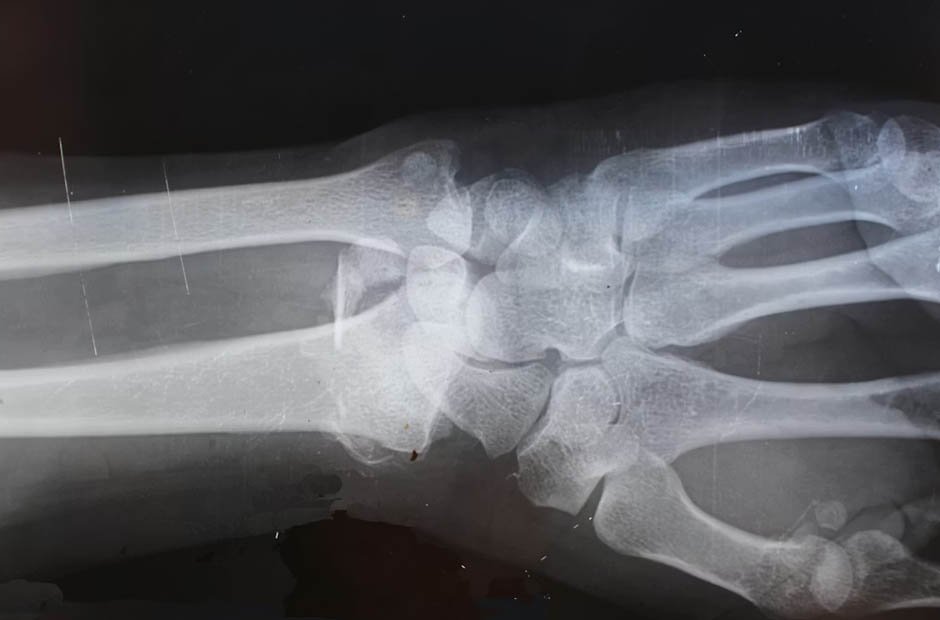
Bone fractures occur frequently in daily life, touching the lives of people through sports incidents and other mishaps. The challenge lies in distinguishing between an actual break and a simple bruise or sprain. While some fractures present themselves clearly with visible bone protrusions, many hide behind subtle symptoms that might not raise immediate concern.
Here are five signs you may have a fracture.
1. Intense Pain That Worsens With Movement or Pressure
The pain associated with fractures stands apart from ordinary injuries in its distinct characteristics. A fractured bone produces sharp, deep-seated discomfort that persists relentlessly. This pain differs significantly from a bruise’s temporary tenderness. While a bruise might hurt upon direct contact but remain manageable otherwise, fracture pain makes its presence known dramatically whenever the injured area moves or bears weight. The progression of pain following a fracture often surprises people. Rather than diminishing over time, the discomfort intensifies during the initial hours post-injury. As inflammation develops around the fractured bone, the pain level rises instead of subsiding. Any attempt to use a fractured leg for standing or a broken arm for lifting results in immediate, intense feedback from the body signaling to cease the activity. While certain positions might provide momentary comfort, any regular movement brings back the severe discomfort. Medical facilities like centers for urgent care near Tyrone offer swift imaging services and evaluation for bone injuries.
2. Significant Swelling and Bruising Around the Injury Site
Swelling emerges as a reliable indicator of fractures, manifesting prominently and unmistakably. The affected area begins to swell within hours of the injury as the body directs fluids and blood to the damaged region. This swelling process continues progressively over the next couple of days, causing the injured area to become tight, warm, and visibly larger compared to its unaffected counterpart. The bruising pattern accompanying fractures follows its own timeline, sometimes appearing instantly while other times developing gradually over several hours or days. The progression of colors tells its own story beginning with intense reds and purples. The bruising transitions through various shades of blue and green before finally fading to yellow as the body processes the accumulated blood. When this discoloration extends significantly beyond the immediate injury site, covering a broader area than expected from a simple impact, it often indicates a more serious underlying condition.
3. Visible Deformity or Abnormal Appearance
A fracture frequently alters the normal appearance of the affected body part. The injured area might appear bent or twisted in an unnatural way, or the limb might seem shorter than its opposite side. Even subtle changes in alignment can signal a break beneath the surface. The surrounding soft tissue often appears distorted as well, with unusual bumps or depressions where the bone structure has shifted. The skin over a fracture site might remain intact, but the underlying deformity often creates visible changes in the body’s natural contours. These changes become more apparent when comparing the injured area to the corresponding uninjured side. The affected limb might hang or rest in an unusual position, unable to maintain its normal alignment. In some cases, the deformity becomes more pronounced with movement or when bearing weight, as the broken bone segments shift in relation to each other.
4. Limited Range of Motion or Complete Inability to Move
Fractures significantly impact movement capabilities in the affected area. The injured part often becomes resistant to normal motion, potentially making activities like bending, rotating, or general use either extremely challenging or entirely impossible. While pain contributes to this limitation, the underlying mechanical disruption plays an equally important role. The body responds to fractures with protective mechanisms that further restrict motion. Muscles surrounding the injury site contract involuntarily, creating a natural splint around the damaged area. This protective response combines with the mechanical limitations of the break itself, resulting in significant movement restrictions. The injured area often feels unstable or weakened, potentially losing its ability to support weight or perform routine functions effectively.
5. Audible Crack or Grinding Sensation During Injury or Movement
The sound associated with bone fractures creates a memorable and distinct experience. The moment of injury often produces a clear auditory signal, like a crack, snap, or pop that differs markedly from normal joint sounds. Unlike the harmless clicking of knuckles or the occasional joint pop, fracture sounds possess unique characteristics that vary based on the location and severity of the break. This auditory experience often accompanies a physical sensation that feels equally concerning. People frequently describe feeling or hearing a grinding or grating sensation when attempting to move the injured area. This phenomenon, known as crepitus, occurs when the broken bone ends rub against each other. The sensation proves particularly noticeable during attempts to use or move the affected body part. The combination of unusual sounds and sensations during the injury moment often leaves a lasting impression. The initial crack might sound sharp and distinct, while subsequent movement might produce softer but equally troubling grinding noises. These auditory and sensory experiences serve as important indicators of potential bone damage, particularly when they occur alongside other common fracture symptoms.
Conclusion
Understanding these five key fracture indicators, including intensifying movement-related pain, evident swelling and bruising, visible shape or alignment changes, restricted movement capabilities, and concerning grinding or cracking sensations, enables responses to potential bone injuries. However, it’s important to note that symptoms may appear differently in different people. Nevertheless, these symptoms represent the body’s natural warning system, indicating potential internal damage. If you suspect you have a fracture, it’s good to take care of it promptly.