Water lines are critical components of any home’s plumbing system. They transport clean water into your house for drinking, cooking, bathing, and cleaning. When these lines fail or deteriorate, the consequences can range from minor inconvenience to major structural damage and costly repairs. Understanding water line repairs empowers homeowners to recognize problems early and make informed decisions about their property’s infrastructure.
What Is a Water Line?
A water line is the pipe that delivers fresh water from the municipal supply or well into your home’s plumbing system. It runs underground, usually from the street or utility point to your foundation and then into interior plumbing. Because these pipes are buried and out of sight, issues can develop without obvious warning signs.
Common Causes of Water Line Damage
Water line failures can result from a variety of causes, including:
- Corrosion and Aging
Older pipes, especially those made from materials like galvanized steel, can corrode over time. Corrosion weakens the pipe walls and can lead to leaks or breaks.
- Ground Movement
Soil shifting due to freezing temperatures, drought, or construction activity can strain underground pipes and cause cracks or separations.
- Tree Roots
Tree roots naturally seek out moisture, and they can invade small cracks or joints in water lines. As roots grow, they can break pipes or block water flow.
- High Water Pressure
Excessive water pressure puts continuous stress on pipes and joints, accelerating wear and increasing the likelihood of failure.
- Installation Issues
Poor installation or substandard materials can shorten a water line’s lifespan and lead to early breakdowns.
Signs You Might Need Water Line Repair
Because water lines are out of sight, signs of problems often appear elsewhere. Homeowners should be alert to indicators such as:
- Low Water Pressure: A significant and unexplained drop in pressure may point to an underground leak.
- Unusually High Water Bills: Hidden leaks can waste hundreds of gallons over time, reflected in higher bills.
- Wet or Mushy Lawn: Pools of water or lush patches in the yard could signal a leaking water line beneath the surface.
- Cloudy or Discolored Water: Rust or debris entering the line may cause unusual water appearance.
- Foundation Cracks: In severe cases, prolonged leaks can erode soil and affect the home’s foundation.
What Happens During a Water Line Repair
Water line repairs should be handled by professionals, as they involve excavation, safe handling of water supply, and precise installation. Typical repair steps include:
- Inspection and Diagnosis
A technician begins by locating the line using specialized tools. Video inspection technology can help identify the exact problem, such as a crack, blockage, or broken joint.
- Shutting Off the Water
Before work begins, the water supply is temporarily turned off to avoid flooding and allow for safe repairs.
- Excavation
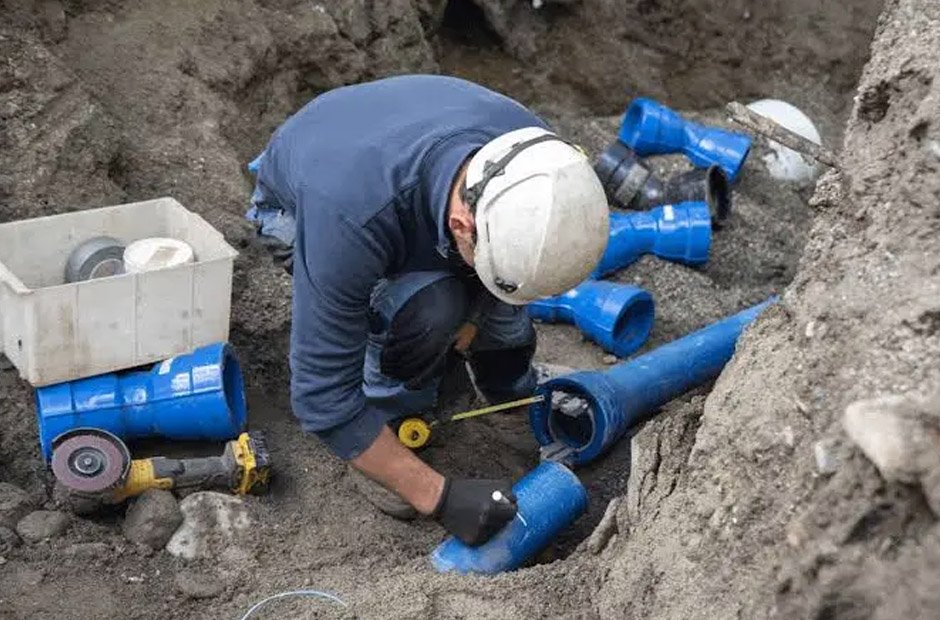
Depending on the location and accessibility, the plumber may dig a trench to reach the damaged section of pipe.
- Repair or Replacement
If the damage is localized, the plumber may cut out the affected segment and replace it. For extensive corrosion or multiple issues, full water line replacement may be recommended.
- Testing and Restoration
Once the repair is complete, the system is tested to confirm there are no leaks and that water pressure is restored. The ground is then backfilled and restored to its original condition.
Repair Versus Replacement
In some situations, repair is sufficient. However, if the pipe is old, severely corroded, or has experienced repeated issues, full replacement is often the more cost-effective choice in the long run. A professional assessment helps determine which option makes the most sense for your property.
Modern Techniques in Water Line Services
Advances in plumbing technology have improved both the accuracy and efficiency of water line work. Trenchless repair methods, for example, allow plumbers to replace or reinforce pipes with minimal digging by using internal lining techniques. These options reduce disruption to landscaping and can save time and money.
For comprehensive assistance and experienced technicians, many homeowners rely on professional water line repair services that specialize in diagnosing, repairing, and replacing underground lines safely and effectively.
Preventing Future Water Line Problems
While some causes of water line damage are unavoidable, there are proactive steps homeowners can take:
- Monitor Water Pressure: Keeping pressure within a safe range can reduce stress on pipes.
- Schedule Regular Inspections: Periodic checks can catch minor issues before they escalate.
- Be Mindful of Landscaping: Plant trees and large shrubs away from plumbing lines.
- Know Your Materials: Understanding what type of pipe your home uses can help anticipate potential longevity or issues.
Final Thoughts
Water line issues can be stressful and potentially costly, but they do not have to catch you by surprise. By understanding how water lines work, recognizing warning signs, and working with experienced professionals when problems arise, homeowners can protect their plumbing system and preserve the value and comfort of their home.
Timely action makes all the difference. With the right information and support, water line repairs become manageable tasks rather than unexpected disasters.